Snoring wrecks sleep for two people. One person is making the noise. The other is lying awake listening to it.
Snoring happens when air flows past relaxed tissue in your throat or nose and makes it vibrate. Some causes are easy to fix. Others need a closer look from a doctor.
This guide walks you through both. You’ll find quick fixes for tonight, longer-term habits, device comparisons, and clear signs it’s time to get checked.
Quick answer: For most people, the fastest things to try are sleeping on your side, skipping alcohol close to bedtime, and clearing a stuffy nose. If snoring continues, an anti-snoring mouthpiece or a medical treatment may help. Loud snoring with breathing pauses, gasping, or heavy daytime sleepiness should be checked by a healthcare professional.
What Kind of Snorer Are You?
The right fix depends on where your snoring comes from. Use this quick guide to find your starting point.
| If this sounds like you | You may be a… | Start here |
|---|---|---|
| Snoring is worse on your back | Positional snorer | Side sleeping and positional aids |
| You’re stuffy, or you snore more during allergy season | Nose snorer | Nasal strips, dilators, allergy care |
| You sleep with your mouth open and wake with a dry mouth | Mouth snorer | Mouthpieces, bedroom humidity, a doctor’s check |
| Snoring is loud every night, plus gasping or daytime exhaustion | Possible sleep apnea snorer | See a doctor before buying anything |
A quick note on that last row. Loud snoring is not automatically sleep apnea. But if you also stop breathing, choke, or feel wiped out all day, skip the guesswork and talk to a professional first.
How to Stop Snoring Immediately
No single trick works instantly for everyone. But these six steps can reduce snoring the same night for many people, and they cost little or nothing.
1. Change Your Sleeping Position
When you sleep on your back, gravity pulls your tongue and soft tissue toward the back of your throat. That narrows your airway and makes vibration more likely.
Rolling onto your side often helps. A long body pillow behind your back can keep you from rolling over in your sleep. If you’re a stomach sleeper, you’re already less likely to have this problem.
2. Raise Your Head Slightly
A small amount of lift can help some people breathe more easily. A wedge pillow or an adjustable bed base does this more gently than stacking pillows.
Tip: Too much height bends your neck and can leave you sore. Aim for a gentle slope, not a steep climb.
3. Clear Your Nose Before Bed
If you can’t breathe well through your nose, you breathe through your mouth. That makes snoring more likely.
Try a saline spray or rinse, or take a warm shower before bed. Nasal strips or internal dilators can also help if congestion or narrow nostrils are the issue. If allergies are behind it, treating the allergy often does more than any gadget. Our guide to the best nasal strips for snoring compares the main options.
4. Skip Alcohol Close to Bedtime
Alcohol relaxes the muscles in your throat. Relaxed muscles collapse more easily, and that means more vibration.
In most cases, avoiding alcohol for at least three to four hours before bed makes a noticeable difference. If you only change one habit tonight, this is a strong candidate.
5. Try an Anti-Snoring Mouthpiece
A mandibular advancement device (MAD) is a mouthpiece that gently holds your lower jaw slightly forward. That keeps more room open at the back of your throat.
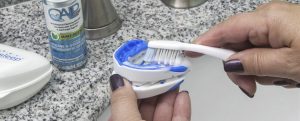
Boil-and-bite versions are shaped to your teeth at home. Adjustable versions let you change how far the jaw moves. A dentist-fitted device costs more, but it may be a better choice if you have jaw problems or want a precise fit.
Mouthpieces work best for throat-based snoring. They won’t do much if your main problem is a blocked nose. We cover specific options in our guide to the best anti-snoring mouthpieces.
6. Make Your Bedroom Air More Comfortable
Dry air can irritate your nose and throat. Dust and pet dander can add to the problem.
A humidifier may help if your air is dry. Washing your bedding weekly reduces allergens. A humidifier won’t fix every cause of snoring, but it can make breathing easier for people with dry nasal passages.
Your 10-Minute Bedtime Checklist
This is the nighttime routine in one place. Run through it before you turn off the light.
- No alcohol for the last three to four hours.
- Finish your last big meal at least two to three hours before bed.
- Rinse or spray your nose if you feel stuffy.
- Wash bedding weekly and keep dust down in the bedroom.
- Check your bedroom humidity if the air feels dry.
- Set up pillows so you can stay on your side.
- Put in your mouthpiece or nasal device if you use one.
Start with two or three items. A routine you can keep up beats a perfect one you drop after a week.
How to Stop Snoring Naturally
Natural approaches don’t use medication or surgery. They take longer than the quick fixes above, but they can lower your snoring over time. Results vary depending on the cause.
Can Losing Weight Help You Stop Snoring?
For some people, yes. Extra weight around the neck can squeeze the airway. Even modest weight loss can ease that pressure.
But weight isn’t the cause for everyone. Plenty of slim people snore. If you’ve lost weight and still snore, look at other causes.
Does a Regular Sleep Schedule Matter?
Overtired people tend to sleep deeper, and their throat muscles relax more. That can make snoring louder.
Going to bed and waking up at similar times each day helps your body get steadier sleep.
Does Smoking Make Snoring Worse?
It can. Smoke irritates and inflames the lining of your nose and throat, which narrows the airway.
Quitting is hard, but it’s one of the better things you can do for your airway. Your doctor can point you to support that fits your situation.
Should You Drink More Water?
Staying hydrated keeps mucus in your nose and throat thinner. Thick, sticky secretions can add to snoring in some people.
This is a small factor, not a cure. Think of it as a helpful habit.
Do Throat and Tongue Exercises Work?
These are called oropharyngeal exercises. They involve moving your tongue, soft palate, and throat muscles to make them stronger and less floppy.
Some studies suggest they can help mild snoring. But you have to keep doing them, and the evidence isn’t as strong as for devices. If you try them, expect to practice daily for a few weeks before judging.
Do Heavy Meals Before Bed Cause Snoring?
A big meal close to bedtime can trigger acid reflux. Reflux can irritate your throat and swell tissue. Leaving two to three hours between dinner and bed gives your stomach time to settle.
How Do You Manage Allergies and Congestion?
Common triggers include dust mites, pet dander, and pollen. Wash bedding often, keep pets off the bed if you can, and use saline rinses. If allergies are a constant problem, ask a pharmacist or doctor which treatment suits you.
Is the Best Sleeping Position to Stop Snoring on Your Side?
For most snorers, yes. Positional snoring is snoring that mainly happens when you lie on your back. If that’s you, side sleeping is often the simplest fix.
Some people notice less snoring on one side than the other. It’s worth trying both. If you have acid reflux, many doctors suggest the left side.
Can Sleeping on Your Stomach Stop Snoring?
It can open the airway for some people. The catch is comfort. Stomach sleeping twists your neck and can strain your lower back. If you’re not already a stomach sleeper, a side position is usually easier to keep.
Does Sleeping With Your Head Raised Help?
A mild incline helps some sleepers, especially those with congestion or reflux. Wedge pillows are a low-cost way to test it. Adjustable bases do the same job with more control.
What Are the Best Pillows to Help Reduce Snoring?
Four types are worth knowing:
- Anti-snoring pillows are shaped to keep your head and neck in a position that keeps your airway open.
- Contour pillows support your neck and encourage side sleeping.
- Wedge pillows raise your upper body.
- Side-sleeper pillows fill the gap between your shoulder and head.
If your snoring is mostly positional, a good pillow is one of the lowest-risk purchases you can make. See our guide to the best anti-snoring pillows to compare options.
How to Stop Snoring While You Sleep
Once you’re asleep, you can’t change your habits. That’s where overnight aids come in. Here’s what each one does in plain terms.
- Mouthpieces hold your jaw or tongue forward to keep the airway open.
- Nasal strips and dilators widen the nostrils so air moves more easily.
- Positional aids such as belts or wearable trainers discourage back sleeping.
- Humidifiers add moisture if dry air irritates your nose and throat.
Which one fits depends on where your snoring starts. We compare them side by side in the devices section below.
How to Stop Snoring So Loud
Very loud snoring usually has a clear cause. Finding it is the first step.
Why Is Your Snoring So Loud?
Common causes include a blocked nose, sleeping on your back, alcohol, extra weight, and enlarged tonsils. Obstructive sleep apnea can also be behind it.
What Can You Do About Extremely Loud Snoring?
Start with the basics: side sleeping, a clear nose, and no alcohol near bedtime. An appropriately fitted oral appliance may help if the problem is in your throat.
If loud snoring continues despite these changes, see a healthcare professional. Buying device after device and hoping one works can waste time and money.
When Is Loud Snoring a Sign of Sleep Apnea?
Obstructive sleep apnea (OSA) means your airway repeatedly closes during sleep. Your breathing pauses, then restarts, often with a gasp or snort.
Watch for these signs:
- A partner sees you stop breathing.
- You wake up gasping or choking.
- You feel very sleepy during the day.
- You wake up with headaches.
If these sound familiar, ask your doctor about a sleep study. In some cases, you can start with an at-home sleep test. Several companies, including Wesper and Lofta, offer home testing through a medical provider. Availability and rules vary by location, so check the details before ordering.
If you’re diagnosed with sleep apnea, treatment may include CPAP therapy or an oral appliance. Our guide to sleep apnea diagnosis and treatment explains how each works.
Medical note: Anti-snoring products are designed for simple snoring. They are not a treatment for undiagnosed sleep apnea. If you suspect sleep apnea, get evaluated first.
How to Stop Snoring Permanently
Here’s the honest answer: there is no single permanent fix that works for everyone. What lasts depends on what’s causing your snoring.
Find and Treat the Underlying Cause
The usual causes are nasal blockage, anatomy, back sleeping, and sleep apnea. A doctor or sleep specialist can help you work out which one applies to you.
Build Long-Term Habits
These changes add up over time:
- Keep a healthy weight.
- Limit alcohol, especially near bedtime.
- Avoid smoking.
- Keep a steady sleep schedule.
- Manage allergies.
Consider a Custom-Fitted Mouthpiece
A dentist can make a mouthpiece fitted to your teeth. It usually costs more than over-the-counter options. Many people find it more comfortable and easier to adjust over time.
One drawback: long-term use can cause jaw soreness or shift your bite slightly. Regular dental follow-ups help catch that early.
Treat Sleep Apnea if You Have It
Treating sleep apnea matters for more than noise. Untreated, it can affect your energy, mood, and heart health. CPAP and oral appliances are both common treatment options.
Can You Stop Snoring Naturally and Permanently?
Some people can. Weight loss, quitting smoking, and side sleeping fix snoring for many. Others find it comes back unless they keep using a device or treatment. Set your expectations around the cause, not a promised cure.
How to Stop Snoring With Mouth Tape
Mouth taping has gone viral. The idea is simple: keep your lips closed so you breathe through your nose.
It deserves a careful look, because it’s one of the few snoring fixes that can carry real risk.
Does Mouth Tape Actually Stop Snoring?
The evidence is limited. A few small studies and a lot of social media posts suggest some mouth breathers with clear nasal passages may snore less. But there’s no strong proof that it works for most people.
It also won’t help if your snoring starts in the throat.
Lip Strips vs. Full Mouth Tape
There are two main styles:
- Lip strips are small, gentle strips that sit over the center of the lips. You can still open your mouth if you need to.
- Full mouth tape covers the whole mouth and is harder to remove quickly.
If you’re curious, lip strips are the milder option. Full tape adds more risk without a clear extra benefit.
Is Mouth Taping Safe While Sleeping?
Not for everyone. Skip it if you have nasal blockage, allergies that stuff you up, or suspected sleep apnea. If you can’t breathe well through your nose, taping your mouth can make breathing harder.
Warning: Don’t use tape to force your mouth shut if you’re struggling to breathe. Ask your doctor first, especially if you snore loudly.
What Are Better Alternatives to Mouth Tape?
If your goal is nose breathing, these are lower-risk starting points:
- Nasal strips.
- Internal nasal dilators.
- A properly fitted oral appliance.
- A medical check if your nose stays blocked.
How to Stop Snoring Surgery
Surgery isn’t a first step. It’s usually considered when snoring comes from a physical blockage, or when simpler treatments haven’t worked. A proper diagnosis should come first.
Uvulopalatopharyngoplasty (UPPP)
This procedure removes extra tissue from the back of the throat, such as part of the soft palate and uvula. It’s sometimes used for snoring or sleep apnea caused by that tissue. Recovery can be painful, and complications are possible. Results vary.
Septoplasty
Septoplasty straightens a deviated septum, the wall between your nostrils. It can improve airflow through the nose. One limitation: better nasal breathing doesn’t automatically eliminate snoring.
Radiofrequency Ablation
This uses controlled heat energy to shrink selected tissue in the throat or palate. It’s less invasive than some surgeries. Some people need repeat treatments, and benefits may fade.
Tonsillectomy
Enlarged tonsils can narrow the airway, especially in children and some adults. Removing them may reduce snoring when they’re the clear cause.
Hypoglossal Nerve Stimulation
This is an implanted device that stimulates a nerve to keep the tongue from blocking the airway. It’s used for selected people with obstructive sleep apnea. It is not a general snoring treatment.
Is Snoring Surgery Worth It?
It can be, when a specialist finds a specific problem that surgery can fix. Weigh the benefits against the cost, recovery time, and risks. Get a diagnosis, and consider a second opinion, before you decide.
How to Stop Someone Snoring Immediately
If you’re the partner, you’re probably the one losing sleep. Here’s what can help tonight.
Gently Encourage Them to Sleep on Their Side
A soft nudge or a gentle roll onto their side can reduce positional snoring. Often that’s enough to quiet things down for a while.
Adjust Their Head and Neck Position
A small change in pillow height can open the airway. Avoid stacking pillows, which can bend the neck and make things worse.
Help Them Clear Nasal Congestion
If they’re stuffy, a saline spray or nasal strip may help. Suggest it before bed, not at 2 a.m.
Protect Your Own Sleep Tonight
These don’t stop the snoring. They help you sleep through it.
- Sleep earplugs block much of the noise. Loop Quiet 2 is one option designed for sleep, with a soft fit and a lower profile than standard foam plugs.
- White noise machines mask the sound with steady background noise. The LectroFan EVO is one example, with adjustable fan and white noise sounds.
One drawback: earplugs can feel odd at first, and some people need a few nights to adjust. If one style bothers you, try another. See our guides to earplugs for sleeping with a snorer and white noise machines for snoring for more picks.
What If They Snore Every Night?
Nightly, loud snoring deserves a closer look. Ask whether you’ve seen breathing pauses or gasping. If so, encourage them to talk to a doctor. It’s one of the kindest things you can do for both of you.
How to Stop Snoring: Male
Men are more likely to snore than women, on average.
Why Do Men Snore So Much?
Several factors play a part:
- Differences in upper airway anatomy.
- Extra weight and a larger neck.
- Alcohol use.
- Smoking.
- Sleeping on the back.
- Obstructive sleep apnea.
Best Ways for Men to Stop Snoring
Start with side sleeping, a healthy weight, less alcohol, and a clear nose. If snoring persists, an anti-snoring mouthpiece is worth considering. If you have symptoms of sleep apnea, get evaluated.
How to Stop Snoring: Woman
Women snore too, though it’s often overlooked or under-reported.
Why Do Women Snore?
Common reasons include nasal congestion and allergies, weight changes, sleeping position, and airway anatomy. Hormonal changes during pregnancy and menopause can also play a role. Sleep apnea can be missed in women because symptoms may look different.
How to Stop Snoring Naturally as a Woman
The basics apply: sleep on your side, manage allergies, avoid alcohol before bed, and keep a healthy weight where appropriate. If snoring is new or persistent, see a healthcare professional.
Can Hormonal Changes Cause Snoring?
In many cases, yes. Hormonal shifts can change how airway tissues behave and may raise the risk of sleep-disordered breathing. If snoring starts during pregnancy or menopause, mention it to your doctor.
Best Anti-Snoring Devices That Can Help Stop Snoring
If lifestyle changes haven’t been enough, a device may be your next step. Match the device to your snoring type. The wrong match is the most common reason these products disappoint.
| Device | Best for | Important limitation |
|---|---|---|
| Anti-snoring mouthpiece | Throat-related snoring | May cause jaw or dental discomfort |
| Tongue-retaining device | People who can’t use jaw-advancing mouthpieces | Can feel unusual at first |
| External nasal strips | Mild nasal blockage | Won’t treat throat-based snoring |
| Internal nasal dilators | Narrow nasal passages | Not a sleep apnea treatment |
| Chin straps | Selected cases of mouth opening | Don’t correct airway obstruction |
| Anti-snoring pillows | Positional snoring | Results vary |
| Positional trainers | Back-sleeping snorers | Not a substitute for sleep apnea treatment |
Our Top Picks by Category
We chose these based on their design and who they suit best. Check current pricing and availability with the manufacturer before you buy.
SnoreRx Plus
This is a boil-and-bite mouthpiece with adjustable jaw positioning. It stands out because you can move the jaw forward in small steps, which helps you find a comfortable setting.
What We Like
- Adjustable in small increments
- Fits to your teeth at home
- Costs less than a dentist-made device
What to Consider
- Can cause jaw soreness at first
- Not a replacement for a custom dental appliance
Who it suits best: people with throat-based snoring and healthy teeth and jaws. Who should skip it: people with dentures, loose teeth, or TMJ problems.
Alternative mouthpiece: VitalSleep. Another adjustable boil-and-bite option. Compare its fit and adjustment method with SnoreRx Plus if you want a second opinion on comfort. Our VitalSleep vs SnoreRx comparison breaks down the differences.
Good Morning Snore Solution
This is a tongue-retaining device. Instead of moving your jaw, it holds your tongue gently forward using suction. That makes it worth considering if a jaw-advancing mouthpiece isn’t an option for you.
What We Like
- Doesn’t move the jaw
- Can work for people who can’t use standard mouthpieces
What to Consider
- The suction feel takes getting used to
- May cause tongue soreness or extra saliva at first
Best nasal device: Mute by Rhinomed. This is an internal dilator that sits just inside the nostrils to open them from within. Many people find internal dilators more noticeable than external strips, which can be a plus or a drawback depending on your tolerance. Our guide to the best nasal dilators covers the alternatives.
What We Like
- Adjustable fit
- Works from inside the nose
What to Consider
- Some people find it uncomfortable
- Doesn’t help snoring that starts in the throat
Budget-friendly nasal option: Breathe Right Extra Strength. These are external strips that lift the sides of your nose. They’re widely available and easy to try. If congestion is your main issue, they’re a low-cost place to start.
Best positional sleep aids to consider
If your snoring happens mostly on your back, consider one of these:
- MedCline wedge and body pillow system: Designed to keep you comfortably on your side, with extra support for shoulders and upper body.
- Smart Nora or Philips NightBalance: Smart devices that react when they detect snoring or back sleeping. Nora uses a bedside unit and an under-pillow insert. NightBalance is a wearable positional device. Ask your doctor before using NightBalance if you have sleep apnea.
The tradeoff is clear. Smart devices cost more and take longer to set up. Basic pillows cost less, but they don’t respond to your position in real time.
Anti-snoring pillows: Derila Contour Pillow or Kavil Positional Pillow
Both are shaped to support your neck and encourage side sleeping. Pillow comfort is personal, so look for a good return policy.
More options by category
If none of the picks above fit your situation, these are additional products in each category. We haven’t evaluated them individually here, so check specifications and return policies before buying.
Anti-snoring mouthpieces
Nasal strips and dilators
Saline rinses and nasal sprays
Anti-snoring sprays
Earplugs for the partner
White noise machines
Sleep earbuds and headbands
Is It Worth the Price?
For most sleepers, a low-cost step first makes sense: nasal strips, a wedge pillow, or a boil-and-bite mouthpiece. If that doesn’t work, you’ve learned what your snoring isn’t. That helps you or your dentist choose a better option next.
If your snoring has a clear pattern, matching it to the right device above is worth doing before you spend more. If this section describes your situation, it’s worth checking current pricing and return policies before you decide.
Why Do People Snore? Common Causes
Knowing the cause helps you pick the right fix. A device that helps nasal blockage may do little for throat-level narrowing.
- Sleeping on your back: Gravity pulls the tongue and soft tissue backward.
- Nasal congestion and allergies: A blocked nose forces mouth breathing.
- Excess weight and neck fat: Extra tissue can narrow the airway.
- Alcohol and smoking: Alcohol relaxes throat muscles. Smoking irritates the airway.
- Relaxed throat muscles: This is common with age, tiredness, and some medications.
- Enlarged tonsils or adenoids: These can partly block the airway.
- Deviated septum: A crooked nasal wall can restrict airflow.
- Obstructive sleep apnea: The airway repeatedly collapses during sleep.
When Should You See a Doctor About Snoring?
Talk to a healthcare professional if:
- Snoring happens often and disrupts your sleep.
- Your partner sees pauses in your breathing.
- You wake up gasping or choking.
- You feel very sleepy during the day.
- You wake up with headaches or feel unrefreshed.
- Lifestyle changes haven’t helped.
Loud snoring is not automatically sleep apnea. But these signs can point to it, and a sleep study can tell you for sure. Our guide to sleep apnea explains what the condition involves.
Frequently Asked Questions About How to Stop Snoring
How can I stop snoring immediately?
Try sleeping on your side, skipping alcohol before bed, and clearing a stuffy nose. No single method works instantly for everyone, but these steps help many people tonight.
How can I stop snoring naturally and permanently?
Find the cause first. Then build habits that fit it, such as side sleeping, a healthy weight, limiting alcohol, and managing allergies. Some people need ongoing treatment.
What is the best sleeping position to stop snoring?
For positional snoring, side sleeping is often the most helpful. It keeps the tongue and soft tissue from falling toward the back of the throat.
How can I stop snoring so loud at night?
Check for common causes like back sleeping, alcohol, and congestion. If loud snoring continues, or comes with gasping or daytime sleepiness, ask about a sleep apnea assessment.
Does mouth tape stop snoring?
The evidence is limited. It may help some mouth breathers with clear nasal passages, but it can be risky if your nose is blocked or you may have sleep apnea. Talk to a doctor first.
Do anti-snoring mouthpieces actually work?
For many people with throat-based snoring, yes. They move the jaw forward to reduce airway narrowing. They work best after an appropriate assessment, and they may cause jaw discomfort.
Can losing weight stop snoring?
It may help, especially if extra weight is narrowing your airway. But it doesn’t fix every case.
Can nasal strips stop snoring?
They can help when snoring comes from a blocked nose. They won’t treat snoring that starts in the throat.
Why do I snore when I sleep on my back?
Gravity pulls your tongue and soft tissues toward the back of your throat, narrowing the airway.
Why do women start snoring later in life?
Age, hormonal changes, weight changes, and a higher chance of sleep apnea can all play a part.
Is snoring a sign of sleep apnea?
Sometimes. Simple snoring is noise without breathing pauses. Sleep apnea involves repeated pauses and often causes daytime tiredness.
Can you stop someone from snoring without waking them up?
A gentle position change can help. If they snore every night, encourage them to get checked.
Is there a permanent cure for snoring?
There’s no one cure for everyone. The right treatment depends on the cause, and some people need ongoing care.
Your Next Step
You don’t need to try everything at once. Pick the row from the snorer table that sounds like you, and start there tonight.
If side sleeping, a clear nose, and less alcohol don’t help within a couple of weeks, a device matched to your snoring type is the next logical step. And if you notice any of the warning signs above, talk to a doctor first. Quieter nights are usually within reach once you know what’s causing the noise.
Not Sure Where to Start?
If you’ve ruled out the simple fixes and want to compare devices side by side, our buying guide narrows down the options by snoring type and budget.
This article is for general information and does not replace medical advice. Talk to a qualified healthcare professional about persistent snoring or symptoms of sleep apnea.