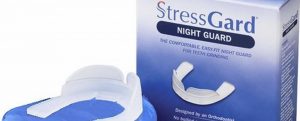
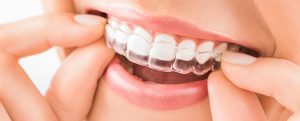
Your night guard spends about eight hours a night in your mouth. By morning, it’s coated in saliva, plaque, and bacteria.
Rinsing helps, but it doesn’t remove everything. Over time, that film can cause odor, yellowing, and a rough, cloudy surface.
The best night guard cleaner depends on how you like to clean and what your guard is made of. For most people, an ultrasonic cleaner or a gentle soaking tablet is the right starting point. Both can work well when you match them to your guard.
Toothpaste and household cleaners are not good substitutes. Toothpaste can scratch the plastic, and harsh chemicals can damage it. Those scratches then give bacteria more places to hide.
Below, we compare seven options based on cleaning approach, convenience, cost, and material compatibility. After the picks, you’ll find a simple cleaning routine, a stain-removal guide, and answers to common questions.
Quick Verdict
The iSonic F3900 is the best overall night guard cleaner for most people: a large stainless tank, a proven ultrasonic frequency, and a low cost per use over years of daily cleaning. If you want a compact premium machine, the Zima Dentalpod is the better-looking option. If you want the lowest startup cost, start with Efferdent Retainer/Guard Tablets, or Polident Pro Guard & Retainer for the best value per clean.
Best Night Guard Cleaners at a Glance
| Product | Type | Best For | Key Consideration |
|---|---|---|---|
| iSonic F3900 | Ultrasonic machine | Best overall | Large stainless tank; 42 kHz cleaning |
| Zima Dentalpod | Ultrasonic machine | Best premium option | Compact, quiet design; higher upfront cost |
| Efferdent Retainer/Guard Tablets | Cleaning tablets | Best tablets | Effervescent soak; single-use |
| Polident Pro Guard & Retainer | Cleaning tablets | Best value | Low cost per cleaning |
| Fresh Guard by Efferdent | Specialty soak | Best for stubborn stains | Targets yellowing and odor |
| Clelifove Ultrasonic UV Pod | Ultrasonic + UV-C light | Best compact and tech option | Portable; UV-C is a bonus, not sterilization |
| CustMouth Cleaning Foam | Foam spray | Best alternative / travel | No soaking bath needed |
Features and availability change, so check the manufacturer’s page for current specifications before buying.
Which Night Guard Cleaner Is Right for You? (Quick Answers)
- You want the most convenient routine: an ultrasonic cleaner.
- You want the lowest upfront cost: cleaning tablets.
- Your guard is yellowing: a stain-focused soak, used on a schedule.
- You travel often: a compact ultrasonic pod or a foam spray.
- You’re not sure what your guard is made of: check with your dentist or the manufacturer before buying anything.
That last point matters more than it sounds. Let’s cover it first.
Why Does Your Night Guard Material Matter?
Not every night guard can handle the same cleaner. Custom and over-the-counter guards are usually made from one of three types:
- Hard acrylic: Rigid and durable. Often used for heavy grinders. Generally tolerates most gentle cleaning methods, but can scratch.
- Soft EVA: Flexible and cushioned. More sensitive to heat and to strong chemical soaks.
- Dual-laminate: A hard outer layer with a soft inner layer. It needs care suited to both materials.
In practice, soft materials are the ones most likely to warp, cloud, or break down if you soak them too long or use water that’s too hot. Some effervescent tablets and prolonged UV exposure can also wear on soft EVA over time.
If your dentist or lab gave you cleaning instructions, follow them first. Some manufacturers approve denture tablets. Others recommend only mild soap and a soft brush. Results vary depending on your guard’s material and how it was made.
Best Night Guard Cleaner: 7 Top Picks
1. iSonic F3900 Ultrasonic Cleaner
What problem does it solve? It removes the buildup that a quick rinse and brushing leave behind, especially in the grooves and edges of your guard.
Who is it best for? People who want a reliable, hands-off daily routine and have a guard that is compatible with ultrasonic cleaning.
What makes it different? The iSonic F3900 runs at 42 kHz and has a stainless steel tank that’s large enough for most night guards, including bulkier dual-laminate designs. Many smaller pods struggle with that size.
What We Like
- A roomy stainless tank means your guard sits comfortably instead of being squeezed in
- 42 kHz frequency is in the range commonly used for dental appliances
- Stainless tank resists rust better than many plastic ones
What to Consider
- Takes up more counter space than a pod
- Costs more than a box of tablets
- Loosens debris, but does not sterilize your guard
Is it worth the price? If you clean your guard daily for years, the cost per use drops quickly compared with buying tablets forever. For most sleepers who clean every night, it’s a sensible long-term purchase.
Who should skip it? If you have limited space, travel constantly, or own a soft EVA guard whose manufacturer advises against ultrasonic cleaning, consider another option below.
2. Zima Dentalpod
What problem does it solve? It gives you ultrasonic cleaning in a compact, good-looking unit that suits a bathroom counter.
Who is it best for? Shoppers who want a dental-focused machine that doesn’t look like lab equipment and who are comfortable paying more for design and convenience.
What makes it different? The Dentalpod is built with dental appliances in mind and operates at about 42 kHz. It uses a short automatic cycle, around five minutes, so you can start it and walk away.
What We Like
- Compact footprint saves counter space
- Automatic shutoff removes the guesswork about how long to run it
- Designed for dental appliances instead of general-purpose items
What to Consider
- Costs more up front than a basic ultrasonic cleaner
- A smaller chamber can be tight for thicker dual-laminate guards
- Some of what you pay for is style
Is it worth the price? If appearance and a short cycle matter to you, yes. If your priority is cleaning power per dollar, a larger standard unit like the iSonic gives you more tank for the money.
Who should skip it? Budget shoppers, and anyone whose guard barely fits in a small tank.
3. Efferdent Retainer/Guard Tablets
What problem does it solve? It handles odor and surface film with a simple soak. No machine needed.
Who is it best for? Anyone who wants an easy, low-commitment way to deep clean a few times a week, especially if you already own an ultrasonic cleaner and want to boost it.
What makes it different? Efferdent is widely available, so you can usually find it in a local pharmacy as well as online. The effervescent action fizzes as it dissolves, which helps lift loose debris from the surface.
What We Like
- Easy to find and easy to use
- Helps reduce odor and surface buildup
- Low upfront cost
What to Consider
- Tablets are single-use, so costs add up over time
- A soak takes longer than a machine cycle
- Some people are sensitive to ingredients in effervescent cleaners
Is it worth the price? For occasional deep cleaning, yes. For daily use over several years, a machine can be cheaper per cleaning.
Who should skip it? If your guard maker doesn’t approve denture-style tablets, or you’ve had mouth irritation from cleaners, choose a different method.
4. Clelifove Ultrasonic Cleaning Pod (with UV)
What problem does it solve? It combines ultrasonic cleaning with UV-C light in a pod small enough to pack.
Who is it best for? Frequent travelers and people who like a gadget that does a little extra.
What makes it different? Along with ultrasonic vibrations, the Clelifove pod includes built-in UV-C LEDs. That adds a light-based step on top of the physical cleaning.
What We Like
- Portable size
- Two cleaning approaches in one device
- Easy to keep in a travel bag
What to Consider
- UV-C is a bonus, not proof of complete disinfection
- Repeated or prolonged UV exposure may be hard on some soft materials
- Small chambers limit which guards fit
One thing to keep in mind: Treat UV-C as an extra, not a reason to skip the basics. UV light only reaches surfaces it shines on, so shadowed areas of a guard may get less exposure.
Is it worth the price? If portability matters, it’s worth considering. If you want only cleaning performance at home, a standard tank is usually better value.
Who should skip it? People with soft EVA guards whose manufacturer cautions against UV, or anyone who needs a larger tank.
5. Polident Pro Guard & Retainer Daily Cleaner
What problem does it solve? It gives you a gentle, affordable daily soak without buying equipment.
Who is it best for? Shoppers on a tighter budget who want something made with guards and retainers in mind.
What makes it different? Compared with general denture tablets, this product is positioned for guards and retainers, which are non-porous polymers. That targeting can make it a more comfortable choice if you’re unsure whether denture tablets suit your guard.
What We Like
- Low cost per cleaning
- Made with guards and retainers in mind
- Simple, no-equipment routine
What to Consider
- Like any tablet, it’s an ongoing purchase
- May be less effective on stubborn, older stains
- Always confirm it matches your guard maker’s instructions
Is it worth the price? For most sleepers watching their budget, yes. It lets you start cleaning properly for very little money.
Who should skip it? If you already have yellowing or heavy buildup, a stronger approach or a dentist visit may be a better next step.
6. Fresh Guard by Efferdent
What problem does it solve? It targets yellow film and lingering odor that normal rinsing and brushing don’t remove.
Who is it best for? People whose guard is already discolored or smells even after regular cleaning.
What makes it different? It’s positioned as a deeper-cleaning soak, aimed at persistent buildup and discoloration.
What We Like
- Aimed at yellowing and odor
- Can be used on a weekly schedule alongside daily rinsing
- Adds a stronger option without bleach
What to Consider
- Stains that have set into the plastic may not fully come out
- You may need repeated treatments
- A longer or stronger soak isn’t always better
Is it worth the price? If your guard is discolored but still in good shape, it’s a reasonable thing to try before replacing it.
Who should skip it? If your guard has cracks, deep cloudiness, or a persistent smell after several cleanings, it may be time for a new one. A dentist can tell you.
7. CustMouth Cleaning Foam
What problem does it solve? It cleans without a soaking bath, which helps when you’re traveling, at the gym, or short on time.
Who is it best for? People who need a fast option for sports mouth guards, clear aligners, or night guards on the go.
What makes it different? It’s a leave-on or quick-rinse foam, so there’s no tank, no tablet, and no waiting.
What We Like
- Fast and portable
- No equipment
- Works across several types of oral appliances
What to Consider
- Quick foam cleaning is a refresh, not a deep clean
- May not handle heavy staining
- Rinse thoroughly afterward, as you would with any cleaner
Is it worth the price? If you want a backup for travel or busy days, yes. As your only cleaner, it’s likely not enough.
Who should skip it? Anyone dealing with heavy buildup or looking for one product to do everything.
Best Night Guard Cleaner Machine: What to Look For
If you’re leaning toward a machine, a few specifications matter more than the rest.
Ultrasonic Cleaning Technology
Ultrasonic cleaners create high-frequency sound waves in water. Those waves form tiny bubbles that collapse and release small bursts of energy. This process is called cavitation.
In plain terms, the bubbles help knock loose debris from small spaces that a toothbrush can’t reach.
Frequency matters. Dental-focused machines usually run between about 40 and 45 kHz. Higher frequencies make smaller bubbles, which tend to be gentler and better at reaching fine crevices.
That said, frequency alone doesn’t determine results. Tank design, water level, and cleaning time all play a role.
Tank Size and Design
Check whether your guard fits without pressing against the sides. A guard that touches the tank wall may not clean evenly.
Stainless steel tanks, often 304-grade, resist rust better than many alternatives. They’re also easier to wipe clean.
Cleaning Cycles and Automatic Shutoff
Many dental cleaners offer cycles of about three to five minutes. Short cycles are usually enough to loosen biofilm, which is the slimy film bacteria form on surfaces.
An automatic shutoff helps because you don’t have to watch the clock. It also limits how long the water heats up during a cycle.
Noise Level and Portability
Most ultrasonic units hum or buzz. Some are quieter than others. If you’ll use yours in a bedroom or shared bathroom, read user feedback on noise.
If you travel, a compact pod is easier to pack than a full-size tank.
Cleaning Solution Compatibility
Some machines work with water alone. Others recommend a specific solution.
Check the manufacturer’s instructions before adding anything. Using an unapproved solution can void a warranty or damage your guard.
Best Night Guard Cleaner Tablets: Are They Worth It?
Cleaning tablets are one of the simplest ways to clean a night guard. You drop one into water, let it fizz, and soak your guard.
How Do Cleaning Tablets Work?
Most tablets rely on effervescence. As the tablet dissolves, it releases bubbles that help lift loose debris. Active ingredients, often oxygen-releasing compounds, help break down film, reduce odor, and loosen surface stains.
Common ingredients include:
- Oxygen-releasing agents such as persulfates
- Surfactants, which help lift grime
- Flavoring and coloring agents
Do Tablets Beat Ultrasonic Cleaners?
Not exactly. They do different jobs. Tablets rely on chemistry. Ultrasonic cleaners rely on physical vibration.
In practice, many people use both. You can add a non-abrasive tablet, or part of one, to an ultrasonic bath if the manufacturers of both your guard and your machine allow it. The machine helps dislodge buildup, while the tablet helps with odor.
What Are the Downsides?
- Soaking takes longer than a machine cycle.
- You’ll keep buying tablets.
- Some guard materials don’t tolerate certain tablets well.
- Some people are sensitive to ingredients like potassium monopersulfate, a type of persulfate.
How to Choose the Best Cleaning Tablets
- Check compatibility. Make sure the tablet is suitable for your guard’s material.
- Look for clear instructions. Good labels tell you how long to soak.
- Consider soaking time. Some tablets work in minutes, others are meant for overnight use.
- Compare cost per tablet. Divide the price by the number of tablets.
- Check ingredients. Skip anything your guard manufacturer prohibits.
Best Night Guard Cleaner Ultrasonic: How Does It Work?
What Is Ultrasonic Cleaning?
It’s a method that uses sound waves above the range humans can hear. A transducer in the machine sends those waves through water in the tank.
How Does Cavitation Help?
The sound waves create vacuum bubbles. When those bubbles collapse, they release tiny shockwaves that help strip plaque, organic debris, and mineral deposits from surfaces. This happens without brushing or abrasion.
Do Ultrasonic Cleaners Kill Bacteria?
Not reliably. Ultrasonic cleaning physically removes debris and some of the biofilm bacteria live in. That can reduce bacteria, but it isn’t sterilization.
Some pods also include UV-C light. UV-C has germ-reducing properties, but its effect depends on exposure time, distance, and whether light reaches every surface. We don’t treat it as proof of full disinfection.
Will It Remove Tough Stains?
It can help with loose buildup and surface film. Deep-set stains may need a soak with a cleaner or may be permanent.
Are Ultrasonic Cleaners Safe for All Night Guards?
In most cases, they’re fine for hard acrylic guards. For soft or dual-laminate guards, check the manufacturer’s instructions first. Results vary depending on the material and how long the cycle runs.
Ultrasonic Cleaner vs. Cleaning Tablets
| Feature | Ultrasonic Cleaner | Cleaning Tablets |
|---|---|---|
| Cleaning method | High-frequency vibrations | Chemical soaking |
| Ease of use | Add water and press start | Dissolve and soak |
| Initial cost | Higher | Lower |
| Ongoing cost | Low if water only; solution adds cost | Recurring tablet purchases |
| Best for | Convenient daily cleaning and debris removal | Routine soaking and odor control |
| Main drawback | Space and upfront cost | Soak time and material compatibility |
If your priority is convenience over years of use, a machine tends to pay off. If your priority is the lowest startup cost, tablets are easier to try.
How to Clean a Night Guard Properly
A good routine takes only a few minutes. These steps work for most guards. Always defer to your manufacturer’s instructions.
Step 1. Rinse After Every Use
Rinse your guard with cool or lukewarm water as soon as you take it out. This keeps saliva and plaque from drying onto the surface.
Skip hot water. Heat can warp many guard materials. A good rule is to keep water below about 120°F (49°C), especially for soft or thermoplastic guards.
Step 2. Brush Gently
Use a soft-bristled toothbrush with mild, non-abrasive soap or a cleaner approved for your guard.
Standard toothpaste often contains abrasives like hydrated silica or calcium carbonate. These can create tiny scratches where bacteria collect.
Step 3. Use a Tablet or Cleaning Solution
Follow the product’s soaking time. A longer soak isn’t better. Too much exposure can cloud or weaken some materials.
Step 4. Use an Ultrasonic Cleaner (If Compatible)
Fill the tank to the marked line, place your guard inside, and run a short cycle. Use only solutions approved for your machine and guard.
Step 5. Rinse Thoroughly
After any chemical soak, rinse well under running water. Leftover residue from tablets or cleaners can irritate your mouth in some people. Persistent irritation from persulfates or surfactants is sometimes called chemical stomatitis. If you notice soreness, stop using the product and talk to your dentist.
Step 6. Dry Completely and Store Properly
Moisture trapped in a closed case is a good environment for mold and bacteria. Let your guard air-dry before you put it away.
Then store it in a clean, ventilated case. A case with small air holes helps. Wash the case with mild soap regularly.
Proper Storage and Travel Tips
Many guards get ruined at home or on the road, not during cleaning.
- Dry before storing. A wet guard sealed in a case can grow odor-causing bacteria.
- Use a ventilated case. Airflow helps drying.
- Keep it away from heat. Don’t leave it on a car dashboard or near a heater.
- Keep it away from pets. Dogs often chew guards.
- Pack a backup cleaner. A compact pod or foam spray makes travel cleaning easier.
How Often Should You Clean a Night Guard?
For most sleepers, the routine looks like this:
- Every morning: Rinse and brush gently.
- Several times a week, or weekly: Do a deeper clean with a tablet, solution, or ultrasonic cleaner.
- Case: Clean it weekly.
Check your manufacturer’s recommendations, since they vary. Over-cleaning can also be a problem. Aggressive scrubbing or very long soaks can wear down certain materials.
What Is the Best Way to Remove Yellow Stains From a Night Guard?
Yellow stains are one of the most common complaints. Several things cause them:
- Plaque and mineral deposits from saliva
- Food and drink stains, especially coffee, tea, and red wine
- Tobacco use
- Age and wear, as the plastic slowly changes
What Works?
For light discoloration, a regular deeper clean usually helps. A stain-focused soak like Fresh Guard by Efferdent is one option. An ultrasonic cleaner can help loosen surface film, and combining it with a compatible tablet may improve results.
For tablets versus machines, tablets tend to work better on discoloration, since they act chemically. Machines work better on debris stuck in crevices.
When Is Yellowing Permanent?
Sometimes stains set into the plastic and won’t come out. If you’ve cleaned consistently and the color hasn’t improved, don’t escalate to bleach or harsh scrubbing. That can damage the guard and may irritate your mouth.
If your guard stays discolored, smells despite cleaning, or looks rough, ask your dentist to inspect it.
What Should You Avoid When Cleaning a Night Guard?
- Hot or boiling water. It can distort the shape and affect fit.
- Abrasive toothpaste. It scratches the surface.
- Bleach and harsh household cleaners. They can break down plastic and leave residue.
- Alcohol-based cleaners, unless your manufacturer approves them.
- Unapproved mouthwash. Some contain alcohol or dyes that can affect materials.
- Aggressive scrubbing. It can create micro-scratches.
- Long soaks in incompatible solutions.
If in doubt, the manufacturer’s instructions come first.
Night Guard Cleaner vs. Denture Cleaner: Can You Use the Same Products?
Sometimes, but not always.
Dentures are usually made from a different acrylic than many night guards, and some guards use soft or layered materials. A denture tablet that’s fine for one may be too strong for the other.
Some manufacturers approve denture tablets for their guards. Others don’t.
Retainer cleaning tablets may be a closer match, but they aren’t automatically interchangeable either. Check the product label and your guard maker’s instructions. Look for products that list night guards, retainers, or mouth guards on the packaging.
If you want to compare options for dentures, see our guides to the best denture cleaner, best ultrasonic denture cleaner, and best denture cleaner tablets.
Can You Use an Ultrasonic Cleaner for a Night Guard?
Yes, in many cases. Here’s what to keep in mind.
- General suitability: Ultrasonic cleaning is commonly used for hard acrylic guards.
- Material limits: Soft EVA and dual-laminate guards may need extra caution.
- Adding tablets: Some people add a non-abrasive tablet, but only if both the machine and guard manufacturers allow it.
- Duration: A short cycle, often three to five minutes, is typical.
- Instructions matter: Follow your guard’s and machine’s directions.
Signs Your Night Guard Needs Replacing
Cleaning can only do so much. Consider a replacement if you notice:
- A smell that returns even after proper cleaning
- Deep discoloration that doesn’t improve
- Cracks or rough spots
- Warping or changes in shape
- A loose or uncomfortable fit
- Visible wear or thinning
A damaged guard may not protect your teeth the way it should. If yours looks worn or no longer fits, ask your dentist.
If you’re shopping for a new one, you may want to read our guides to the best mouth guard for teeth grinding, the best night guard for clenching, and the best mouth guard for TMJ.
Frequently Asked Questions
What is the best cleaner for a night guard?
It depends on your guard’s material and your habits. For most people, an ultrasonic cleaner or a gentle cleaning tablet works well. Check your manufacturer’s instructions first.
Can I use denture cleaning tablets on my night guard?
Sometimes. Some guard makers approve them, others don’t. Check the instructions that came with your guard.
What is the best night guard cleaner machine?
For most sleepers, a mid-to-large ultrasonic cleaner with a stainless tank, like the iSonic F3900, is a strong option. If you want a compact design, the Zima Dentalpod is worth considering.
Are ultrasonic cleaners safe for night guards?
Generally for hard acrylic guards. For soft or dual-laminate guards, check with the manufacturer.
How often should I deep clean my night guard?
Many people do it weekly or a few times a week, with a quick rinse and brush every morning.
Can I clean my night guard with toothpaste?
It’s best to avoid it. Many toothpastes are abrasive and can scratch the surface.
How do I remove yellow stains from my night guard?
Try a regular deep clean with an approved tablet or stain-focused soak. If staining persists, ask your dentist.
Can I use mouthwash to clean a night guard?
Only if it’s approved for your guard. Some mouthwashes contain alcohol or dyes that can affect materials.
What kills bacteria on a night guard?
Cleaning methods can reduce bacteria, but consumer products don’t sterilize. Regular cleaning, thorough rinsing, and drying work best together.
Can I use an ultrasonic cleaner without tablets?
Yes. Many machines work with water alone. Check your model’s instructions.
Are night guard cleaning tablets better than ultrasonic cleaners?
They do different things. Tablets are cheaper to start with. Machines are more convenient over time. Many people use both.
Final Verdict: Which Night Guard Cleaner Should You Buy?
Here’s how we’d match each option to a reader:
- Best overall: The iSonic F3900 is a strong all-rounder if your guard is compatible and you want a reliable daily routine.
- Best premium machine: The Zima Dentalpod suits you if you value a compact design and a short automatic cycle.
- Best tablets: Efferdent Retainer/Guard tablets are an easy, widely available way to deep clean.
- Best budget option: Polident Pro Guard & Retainer is a low-cost way to start.
- Best for stains: Fresh Guard by Efferdent is worth trying if yellowing is your main concern.
- Best for travel: The Clelifove pod or the CustMouth foam keep you covered on the road.
If you’re still undecided, here’s a simple starting point. Begin with a gentle tablet routine if you want to spend as little as possible. If you clean every day and like convenience, an ultrasonic cleaner usually pays off over time.
Whichever you choose, confirm it’s compatible with your guard. If it matches your material and routine, it’s worth checking the latest price before you decide.
Keep Your Guard Clean and Your Smile Protected
A consistent cleaning routine protects your night guard and your oral health. If you’re ready to upgrade your cleaning setup, start with the option that matches your guard’s material and your daily habits.
This article is for general information and is not medical or dental advice. Ask your dentist if you have questions about your specific night guard.