
This article contains affiliate links. If you buy through them, SleepDeeper may earn a commission at no extra cost to you. This doesn’t change our evaluation process.
Quick Verdict
PureSleep is a mandibular advancement device, or MAD, that works by gently holding your lower jaw slightly forward while you sleep. That small shift can open up space in your airway, which for many people means quieter, more restful nights.
Here’s the short version:
- What it is: A custom-molded, over-the-counter mouthpiece designed for snoring, not sleep apnea.
- Who it’s for: People whose main issue is regular snoring and who want a fitted mouthpiece without a dentist visit.
- Does it work? For many sleepers, yes, based on the design and customer feedback. Results vary depending on your mask type, bite, and how consistently you wear it.
- Biggest advantage: The custom-fit process, which can feel more secure than one-size-fits-all mouthpieces.
- Biggest drawback: Some users need a week or two to adjust, and a few never find the fit comfortable.
- Who should consider it: Snorers looking for a customizable OTC option.
- Who should skip it: Anyone with significant dental issues, or anyone who suspects they may have sleep apnea rather than simple snoring.
PureSleep Reviews: Our Rating
We update this rating as new customer feedback and product information becomes available.
| Category | Rating |
|---|---|
| Snoring reduction | ★★★★☆ |
| Comfort | ★★★½☆ |
| Fit and customization | ★★★★☆ |
| Ease of use | ★★★★☆ |
| Durability | ★★★★☆ |
| Value for money | ★★★★☆ |
| Overall | ★★★★☆ |
We didn’t round this up to a perfect score. PureSleep can work well for some people, but it isn’t universally comfortable, and it isn’t the right fit for every jaw shape or budget. Customer feedback we reviewed shows the same pattern: some sleepers report quieter nights and helpful customer service, while others struggle with comfort or can’t keep the device in all night. Both experiences are worth knowing about before you buy.
What Is PureSleep?
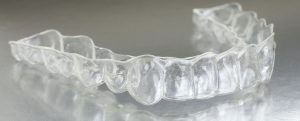
PureSleep is an over-the-counter anti-snoring mouthpiece that uses mandibular advancement technology. In plain language, that means it holds your lower jaw slightly forward, which helps keep your airway more open while you sleep.
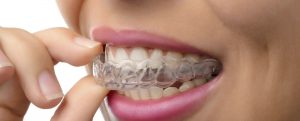
It’s a two-piece design, and it’s custom-fit at home. You mold it to your own teeth using a heat-and-bite process, similar to how a sports mouthguard is fitted. No prescription or dentist visit is required, and the manufacturer describes it as FDA-cleared for snoring.
PureSleep Mouth Guard vs. PureSleep Anti-Snoring Mouthpiece
You’ll see PureSleep described both ways online, and it’s worth clearing up. A standard mouth guard is typically designed to protect your teeth from grinding. PureSleep is built differently: its main job is repositioning your jaw to reduce snoring, not just cushioning your teeth. So while “PureSleep mouth guard” is a common search term, the more accurate description is an anti-snoring mouthpiece that happens to look similar to a guard.
A Note on Materials
Oral appliances sit in your mouth for seven or eight hours a night, so it’s a fair question to ask what they’re made of. The manufacturer describes the device as using a firmer outer shell paired with a softer, moldable interior designed to accommodate different bite types. If chemical sensitivity or allergies are a concern for you, it’s worth checking PureSleep’s current materials documentation directly before buying, since exact specifications can change between production runs.
How Does PureSleep Work?
The mechanism is fairly simple:
- The device fits over your upper and lower teeth.
- It holds your lower jaw in a slightly forward position.
- This can create more space in your upper airway.
- With less tissue vibration in that space, snoring often becomes quieter or less frequent.
PureSleep Is Designed for Snoring, Not as a CPAP Replacement
This distinction matters. PureSleep is marketed and cleared for snoring, not for obstructive sleep apnea. Snoring and sleep apnea can look similar from the outside, but they’re not the same thing. If your snoring is loud, frequent, or paired with gasping, choking, or daytime exhaustion, it’s worth talking to a doctor before trying to solve it with an OTC mouthpiece. A device like PureSleep isn’t a substitute for a proper sleep apnea evaluation. For more information on this condition, see our guide on Sleep Apnea.
Important: If you suspect you have sleep apnea, do not rely on an over-the-counter mouthpiece for treatment. Please consult a healthcare professional for a proper diagnosis and treatment plan.
PureSleep Reviews: What Real Customers Say
Rather than just repeating testimonials from PureSleep’s own marketing, we looked at patterns across independent customer reviews.
Positive PureSleep Reviews
Common themes among satisfied customers:
- Noticeably reduced snoring, sometimes within the first few nights
- A fit that feels secure once properly molded
- Responsive customer service when questions come up
- A fitting process simple enough to do at home
- Partners reporting quieter nights
Negative PureSleep Reviews
Common complaints worth knowing about upfront:
- Jaw soreness, especially in the first week or two
- Difficulty keeping the device in for a full night’s sleep
- Fit problems, often tied to rushing the molding process
- Snoring reduction that’s partial rather than complete
- An adjustment period that some users find frustrating
- Occasional frustration with the return process
We’re including the negative reviews here on purpose. If you’re searching for PureSleep reviews, you’re probably trying to figure out whether the marketing matches real experience. It mostly does, with the caveat that comfort is genuinely mixed.
PureSleep Complaints: What Are the Biggest Problems?
Complaint-driven searches usually come from people who are close to buying and want to know what they’re getting into. Here’s what shows up most often.
Jaw soreness. Mandibular advancement devices shift your jaw’s resting position, and some soreness during the adjustment period is common. It typically eases as your jaw gets used to the new position.
Tooth or bite discomfort. If you already have dental issues, bridgework, or looser teeth, a MAD can be uncomfortable or may not be appropriate at all. If this applies to you, check with a dentist first.
Difficulty keeping it in overnight. Some reviewers report the device slipping out or becoming hard to tolerate for a full eight hours, particularly early on.
It doesn’t work for everyone. This is worth repeating: results vary. PureSleep can meaningfully reduce snoring for many sleepers, but it isn’t guaranteed to eliminate it for every user.
Fitting problems. A poor initial mold is one of the most common reasons people end up disappointed. Getting the fit right the first time makes a real difference (more on that below).
Return-policy confusion. Return terms can change over time, and older information floating around online may not match the manufacturer’s current policy. Always check the current terms directly before assuming what applies to your order.
PureSleep Mouth Guard Instructions: How to Fit It
Getting a good fit is the single biggest factor in whether people stick with PureSleep. Here’s the process, including a step that’s easy to miss.
Step 1: Choose Your Jaw Advancement Setting
Before you heat anything, PureSleep asks you to pick one of a few fixed jaw-advancement settings based on your bite. This step trips people up because, unlike fully adjustable devices, PureSleep’s setting is chosen before molding rather than fine-tuned afterward. If you have a pronounced overbite, you’ll typically want a setting that advances the jaw further forward. If your bite is closer to neutral, a lower setting is usually more comfortable. Take a moment here. Picking the wrong setting usually means re-boiling and re-molding the device, which uses up some of the material’s flexibility.
Step 2: Prepare the Mouthpiece
Follow the current manufacturer instructions for preparing the device before heating.
Step 3: Heat the Moldable Section
Submerge the moldable portion in hot water for the recommended time. This softens the material so it can take an impression of your teeth.
Step 4: Form the Impression
Bite down firmly and evenly, following the guidance for jaw position from Step 1.
Step 5: Cool the Mouthpiece
Let the device cool and firm up completely before removing it or testing the fit. Rushing this step is one of the most common fitting mistakes.
Step 6: Check the Fit
Look for even contact across your teeth and no sharp pressure points. It should feel snug, not painful.
Step 7: Test It Overnight
A good day-time fit doesn’t always predict a comfortable night’s sleep. Give it a full night before deciding whether adjustments are needed.
Don’t rush the fitting process. A poorly fitted MAD can be uncomfortable and may discourage you from wearing it consistently, which defeats the purpose of buying it in the first place.
What If I Fit It Incorrectly?
If the mold comes out wrong, most moldable mouthpieces, including PureSleep, can typically be reheated and re-molded a limited number of times. Check the current manufacturer guidance for how many attempts are recommended, since remolding too many times can wear down the material’s fit.
Cleaning, Care, and Lifespan
A mouthpiece that isn’t cared for properly won’t last, and won’t stay pleasant to use. A few basics:
- Daily cleaning: Rinse with cool water after each use. Hot water can warp the molded shape you worked to get right, so avoid it outside of the initial fitting.
- Deeper cleaning: A mild soap or a cleaner made for oral appliances works well. Harsh denture-cleaning tablets can be too abrasive for the softer molded material, so it’s worth checking the label before using one you already have on hand.
- Storage: Keep it in a ventilated case rather than sealed in a bag, to avoid trapping moisture.
- Expected lifespan: Most mandibular advancement devices last somewhere in the range of nine to twelve months with regular care, though heavy teeth grinding can shorten that.
If your mouthpiece starts to feel loose, cracked, or discolored, that’s usually a sign it’s time to replace it rather than keep pushing through the discomfort.
Morning Bite Realignment: What to Expect
One thing that catches new users off guard: for the first ten to fifteen minutes after waking, your bite may feel slightly off, like your teeth don’t quite meet the way they used to. This is a temporary effect of your jaw sitting in an advanced position all night, and it typically resolves on its own shortly after waking.
Morning recovery tip: A warm water rinse and a few gentle, slow jaw movements after removing the device can help your bite settle back into its normal position more comfortably.
This adjustment feeling is one of the more common reasons people give up in the first week, so knowing it’s temporary and expected can make it easier to push through.
Is PureSleep Comfortable?
Comfort is genuinely the deciding factor for most PureSleep reviews, so it’s worth breaking down.
- Initial adjustment: Most new users need several nights to a couple of weeks to get used to the sensation.
- Salivation: Increased saliva is common early on and usually decreases with continued use.
- Jaw soreness: Mild soreness is common at first and tends to fade as your jaw adapts.
- Tooth pressure: A properly fitted device shouldn’t create sharp pressure points. If it does, the fit likely needs adjusting.
- Sleeping position: Side sleepers and back sleepers often report an easier adjustment than stomach sleepers.
- Wearing it all night: Some users manage a full night right away; others build up gradually.
- Mouth breathers: If you naturally breathe through your mouth, any MAD can feel more restrictive at first.
For most sleepers, comfort improves meaningfully after the first one to two weeks. If it hasn’t improved by then, that’s a reasonable point to reassess your setting or fit.
PureSleep Before and After: What Should You Expect?
We won’t make specific before-and-after claims here, since results vary by person. But based on common feedback, here’s a realistic picture.
Before:
- Loud or frequent snoring
- A partner whose sleep is disrupted
- Dry mouth in the morning
- Generally poor sleep quality for one or both people in the bed
After (for many users):
- Noticeably reduced snoring
- A quieter bedroom
- Fewer disruptions for a sleeping partner
Some users notice a difference within the first few nights. Others need the full adjustment period before seeing consistent results. And for some, the improvement is partial rather than complete.
PureSleep Pros and Cons
What We Like
- FDA-cleared for its intended use
- Custom-fit molding process done at home
- A choice of jaw-advancement settings rather than one fixed position
- No prescription required
- A long track record in the anti-snoring mouthpiece category
- A current 60-day direct-purchase return window
- Straightforward setup for most users
What to Consider
- May cause initial jaw discomfort or soreness
- Not comfortable for every jaw shape or bite
- Results vary by user
- Getting the fit right matters, and rushing it causes most complaints
- Not designed as a substitute for a professional sleep apnea evaluation
PureSleep Price: How Much Does It Cost?
Pricing and promotions change fairly often for this type of product, so rather than quote a specific number here, we’d point you to the current official pricing before you decide. A few things worth checking when you look:
- The current single-device price
- Whether multi-device bundles are offered, and at what discount
- Shipping costs
- Any currently active promotions
- Whether Amazon pricing differs from the official site
PureSleep Return Policy and Money-Back Guarantee
Return policies for oral appliances are worth reading carefully, since terms can differ depending on where you buy. As of this writing, PureSleep’s official site describes a 60-day return window for direct U.S. purchases, with a prepaid return label included. Orders placed through Buy with Prime may follow different terms than direct purchases, so it’s worth confirming which applies to your order before buying.
A return window like this lowers the risk of trying a mouthpiece you’re not sure you’ll get along with, which is one reason it’s worth factoring into your decision.
Is PureSleep FDA Cleared?
The manufacturer currently describes PureSleep as FDA-cleared. It’s worth understanding what that does, and doesn’t, mean.
FDA clearance for a device like this generally means it has met the agency’s requirements to be marketed for its stated purpose, which in this case is reducing snoring. It does not mean:
- That it’s guaranteed to work for every user
- That it’s a treatment for sleep apnea
- That it’s appropriate for every dental situation
FDA clearance is a useful baseline, but it’s not a substitute for checking whether the device is a good fit for your specific mouth and health situation.
PureSleep vs. Other Anti-Snoring Mouthpieces
| Device | Adjustment Type | Custom Fit | Best For | Price Range | Our Rating |
|---|---|---|---|---|---|
| PureSleep | Fixed setting, chosen before molding | Yes | Custom-fit seekers | $$ | ★★★★ |
| ZQuiet | No molding required | No | Fastest setup | $$ | ★★★★ |
| Zyppah | Tongue-restraint plus jaw advancement | Partial | Combination snoring causes | $$ | ★★★★ |
| SnoreRx Plus | Micro-adjustable after molding | Yes | Fine-tuned comfort | $$ | ★★★★ |
Quick takeaway: Choose PureSleep if you want a custom-molded fit with a defined advancement setting. Choose ZQuiet if you’d rather skip molding altogether. Choose Zyppah if tongue movement, not just jaw position, is contributing to your snoring. Choose SnoreRx Plus if you want to keep fine-tuning the fit after the initial mold.
PureSleep vs ZQuiet
ZQuiet requires no molding at all, which makes setup faster, but it also means less customization than PureSleep offers. If a truly custom fit matters more to you than convenience, PureSleep has the edge. You can read more in our ZQuiet Review.
PureSleep vs Zyppah
Zyppah combines jaw advancement with a tongue-restraining strap, which can help if your snoring involves tongue position as well as jaw position. PureSleep focuses on jaw advancement alone. For a deeper dive, see our Zyppah Review.
PureSleep vs SnoreRx Plus
SnoreRx Plus allows for adjustments after the initial mold, which some users prefer if their first fit isn’t quite right. PureSleep’s setting is chosen before molding, so getting Step 1 right matters more. Compare them directly in our Zyppah vs SnoreRx guide.
Who Should Buy PureSleep?
PureSleep may be a good fit if:
- Your main concern is ordinary snoring, not diagnosed sleep apnea
- You want an over-the-counter option without a dentist visit
- You’d like a customizable, molded fit
- You’re willing to spend a little time getting the fitting process right
- You’d prefer a lower-profile device over something bulkier
You may want another option if:
- You have trouble tolerating anything in your mouth overnight
- You have significant jaw or dental issues
- You suspect sleep apnea rather than simple snoring
- You need a solution beyond snoring reduction
Who Shouldn’t Use PureSleep?
A few situations where it’s worth talking to a dentist or doctor before trying a MAD like PureSleep:
- Significant dental problems or extensive dental work
- Severe TMJ or jaw joint issues
- Loose teeth
- Certain existing dental appliances that may conflict with a MAD
- Suspected or diagnosed sleep apnea without professional guidance
If any of these apply to you, a conversation with a professional is a better starting point than an OTC purchase.
Does PureSleep Work for Sleep Apnea?
PureSleep is marketed and cleared for snoring, not obstructive sleep apnea. Reducing snoring is not the same as treating sleep apnea, even though the two conditions can sound similar.
Snoring is a symptom that can occur on its own or alongside sleep apnea. Obstructive sleep apnea is a diagnosed medical condition that involves repeated breathing interruptions during sleep and typically requires a formal sleep study and a treatment plan, which may or may not include a prescribed and monitored MAD. An OTC device isn’t designed to replace that kind of evaluation. If you’re not sure which situation applies to you, that’s a reasonable thing to bring up with a doctor before trying to solve it yourself. For more details, see our article on Sleep Apnea Diagnosis and Treatment.
Note: While PureSleep is not a treatment for sleep apnea, some mandibular advancement devices are prescribed for mild to moderate OSA. If you have sleep apnea, talk to your doctor about whether a MAD might be appropriate for you.
PureSleep Reviews: Final Verdict
PureSleep is worth considering if your main goal is reducing ordinary snoring and you’re comfortable using a mandibular advancement mouthpiece. Its custom-fit process, established track record, and current 60-day direct-purchase return window make it a more appealing option than many basic, generic mouth guards.
Comfort is really the deciding factor. If you take the time to choose the right setting and follow the fitting steps carefully, most of the common complaints become easier to avoid.
Final Rating: 4/5
Best for: People looking for a customizable, over-the-counter anti-snoring mouthpiece.
Not ideal for: People with significant jaw or dental problems, or anyone looking for a sleep apnea treatment rather than a snoring solution.
Frequently Asked Questions
Does PureSleep really work?
For many sleepers, yes, it can meaningfully reduce snoring. Results vary depending on your bite, fit, and how consistently it’s worn.
Is PureSleep safe?
The manufacturer describes it as FDA-cleared for snoring. As with any oral appliance, people with significant dental issues should check with a dentist first.
How long does it take to get used to PureSleep?
Most users need anywhere from a few nights to about two weeks to adjust.
How do you fit the PureSleep mouthpiece?
You choose a jaw-advancement setting, heat the moldable section in hot water, bite down to form an impression, then let it cool before testing the fit.
Can PureSleep help with sleep apnea?
No. It’s designed and cleared for snoring, not sleep apnea. Suspected sleep apnea should be evaluated by a doctor.
Does PureSleep cause jaw pain?
Some initial soreness is common during the adjustment period and typically eases with continued use.
Can you sleep with your mouth closed while wearing PureSleep?
Most users can, though mouth breathers may find the initial adjustment more noticeable.
How long does a PureSleep mouthpiece last?
Roughly nine to twelve months with regular care, though this can vary with wear and how often you grind your teeth.
What is the PureSleep return policy?
As of this writing, direct U.S. purchases include a 60-day return window with a prepaid label. Confirm current terms before buying, since policies can change.
Is PureSleep better than ZQuiet?
Neither is universally “better.” PureSleep offers a custom mold and adjustable setting; ZQuiet skips molding for a faster setup. The better choice depends on whether customization or convenience matters more to you. Check our SnoreRx vs ZQuiet comparison for more details.
I try it for a week and it didn’t work for me so I went to return it and was told they couldn’t take it back because of hygiene problems I said how can a person know if it’s going to work if they don’t try it plus they advertise a 30 day return policy kept getting the run around.im now working with eBay to get my money back I’m writing this to warn you
Hi Joe,
Sorry about your experience with PureSleep. Not all mouthpieces will work for everyone. Generally, I recommend buying PureSleep from Amazon as you can be sure of getting a refund within 30 days if it doesn’t work for you. Here is the link to PureSleep on Amazon.
If you are still searching, I recommend you go with Zquiet. So far, I haven’t gotten any complaints about it. I’ve given the link to the official website, from where you will have a 30 days moneyback guarantee. Don’t buy Zquiet from third party websites like Ebay.