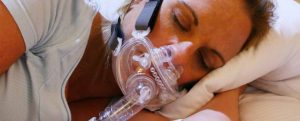
If your CPAP mask leaks air, digs into your cheeks, or wakes you up before your alarm does, the mask itself is often the problem — not you, and not your therapy.
A full face CPAP mask with headgear covers your nose and mouth, which makes it a common recommendation for mouth breathers, people with nasal congestion, and anyone on higher pressure settings. But “full face mask” covers a wide range of designs, and the fit, headgear style, and cushion type make a bigger difference than most people expect.
In this guide, we compare seven of the most popular full face CPAP masks with headgear, explain who each one works well for, and walk through how to pick the right one for your sleep position, pressure setting, and face shape. We’ll also cover common complaints — leaks around the eyes, red marks, headgear that stretches out — and how to fix them.
If you’re still deciding between a full face mask and a nasal option, our guide to full face vs. nasal CPAP masks can help you narrow that down first.
Quick Verdict: The Best Full Face CPAP Masks at a Glance
Best Overall for Active Sleepers: Philips DreamWear Full Face — Top-of-head hose and minimal contact make it ideal for side sleepers.
Best for High Pressure & Reliable Seal: ResMed AirFit F20 — A dependable workhorse with a strong dual-wall cushion.
Best Minimal-Contact Hybrid: Fisher & Paykel Evora Full — Under-the-nose cushion reduces facial marks and claustrophobia.
Best for Sensitive Skin or Beards: ResMed AirTouch F20 — Memory foam cushion conforms better than silicone.
Best Budget Pick: 3B Medical Siesta Full Face — Solid performance at a lower price point.
Quick Comparison: 7 Full Face CPAP Masks With Headgear
| Mask | Best For | Cushion Type | Headgear Style | Ideal Sleep Position | CTA |
|---|---|---|---|---|---|
| Philips DreamWear Full Face | Active sleepers, side sleepers | Silicone, minimal contact | Top-of-head tube, soft frame | Side, back | Check Price |
| ResMed AirFit F20 / AirTouch F20 | High pressure, reliable seal | Silicone or memory foam | Magnetic clips, standard frame | Back, side | Check Price |
| Fisher & Paykel Evora Full | Minimal facial contact | Under-the-nose silicone | Dynamic support arms | Side, back | Check Price |
| ResMed AirFit F30i | Compact, top-of-head hose | Under-nose silicone | Top-of-head swivel | Side, back | Check Price |
| Fisher & Paykel Simplus | High pressure stability | RollFit silicone | Standard 4-point | Back | Check Price |
| 3B Medical Siesta Full Face | Budget-conscious buyers | Silicone | Standard 4-point | Back, side | Check Price |
| Respironics FitLife Total Face | Skin breakdown, claustrophobia | Full-face silicone seal | Standard, adjustable | Back | Check Price |
Prices vary by retailer, insurance coverage, and whether you need a prescription. It’s worth checking current pricing before deciding, since CPAP mask costs shift fairly often.
Best Full Face CPAP Mask With Headgear: Top Picks Reviewed
1. Philips DreamWear Full Face
The DreamWear stands out because of where the hose connects: at the top of the head instead of the front of the face. That single design choice solves a lot of common full face mask problems.
Why it stands out
- The top-of-head hose connection keeps tubing out of your way if you toss, turn, or sleep on your side.
- The open cushion design leaves more of your field of vision clear, which helps if you like to read or watch TV before falling asleep.
- The soft frame flexes with movement instead of pressing back into your face.
What We Like
- Comfortable for side and stomach sleeping, which is a common weak spot for full face masks
- Minimal facial contact reduces pressure marks
- Compatible with a wide range of pressure settings
What to Consider
- The under-the-nose cushion can feel less secure for some high-pressure users compared with a traditional four-point frame
- Silicone cushion can degrade with heavy cleaning over several months
Best for: People who move a lot in their sleep, side sleepers, and anyone who’s had leaks or hose tugging with a traditional full face mask.
If you’re considering the DreamWear, it’s worth picking up the Fit Pack rather than guessing your size. The Fit Pack includes small, medium, medium wide, and large cushions in one box, so you can test fit before committing. Getting the seal right on the first try can save weeks of trial and error — and a poor seal is one of the most common reasons people give up on a full face mask early.
If mask movement or hose tugging has been your main complaint, this is one of the strongest options to look at first.
2. ResMed AirFit F20 (and AirTouch F20)
The AirFit F20 is one of the most widely prescribed full face masks, and for good reason: it’s built for a consistent seal, even at higher pressure settings where leaks tend to show up first.
Why it stands out
- The dual-wall cushion adjusts to facial movement without losing its seal, which matters if your pressure setting is on the higher end.
- Magnetic clips make it easier to put on and take off without fully unbuckling the headgear each time.
- The AirTouch F20 variant swaps silicone for a soft memory foam cushion, which many users with sensitive skin or facial hair prefer.
What We Like
- Strong, dependable seal across a wide pressure range
- Quick-release magnetic clips speed up bedtime and middle-of-the-night bathroom trips
- AirTouch variant is worth considering if you have a beard or sensitive skin
What to Consider
- Standard silicone cushion can leak more easily around facial hair than the memory foam version
- Slightly heavier frame than minimal-contact designs like the DreamWear or Evora
Best for: People on higher pressure settings, back sleepers, and anyone who has struggled with inconsistent seals on lighter-contact masks.
If your priority is a dependable seal you don’t have to think about at 2 a.m., this is one of the more consistent options.
3. Fisher & Paykel Evora Full
The Evora Full takes a different approach: the cushion sits under the nose rather than over the bridge, which reduces the amount of plastic and silicone touching your face.
Why it stands out
- The dynamic support arms adjust automatically as you move, so the seal holds up better through the night.
- Less facial coverage means less fogging on eyeglasses if you read before bed.
- The compact design tends to feel less bulky than traditional four-point masks.
What We Like
- Reduced facial contact can mean fewer red marks by morning
- Works well if you’re new to CPAP and worried about feeling boxed in
- Lightweight frame is comfortable for side sleeping
What to Consider
- The under-the-nose fit takes some adjustment if you’re used to a traditional full face frame
- May not seal as reliably for people who breathe heavily through the mouth at high pressures
Best for: People switching from nasal masks who want more coverage without the bulk of a traditional full face design, and anyone who’s found standard masks feel too “boxed in.”
If claustrophobia or bulk has kept you from sticking with full face therapy, this hybrid design is worth a closer look.
4. ResMed AirFit F30i
The F30i combines two features that usually don’t come together: a small under-the-nose cushion and a top-of-head hose connection. The result is one of the more compact full face options on the market.
Why it stands out
- The swivel connector at the top of the head keeps the hose out of your line of sight and out of the way if you sleep on your side.
- The smaller cushion footprint means less material on your face overall, compared with traditional full face frames.
- The low-profile design works well for people who share a bed and don’t want tubing draped across a partner.
What We Like
- One of the more compact full face masks available, closer in feel to a nasal mask
- Top-of-head tubing reduces hose noise and movement
- Open field of vision
What to Consider
- Premium pricing compared with standard full face masks
- Smaller cushion means sizing matters even more than usual — a poor fit shows up quickly as a leak
Best for: Side sleepers, people who share a bed, and anyone upgrading from a bulkier full face mask who wants to keep the mouth coverage but lose the bulk.
If you’ve outgrown a bulkier mask but still need full face coverage, this is worth comparing against the DreamWear for your specific sleep position.
5. Fisher & Paykel Simplus
The Simplus uses what Fisher & Paykel calls RollFit cushion technology, which is designed to roll with facial movement rather than shifting the whole mask out of position.
Why it stands out
- The RollFit cushion is designed to stay put even when you talk, yawn, or change positions during the night.
- The traditional four-point headgear provides more adjustment points than minimal-contact designs, which can help with an uneven face shape or asymmetric fit.
- Works well for people who’ve had trouble keeping lighter masks sealed at higher pressures.
What We Like
- Strong stability for active sleepers who move frequently
- More adjustment points than minimal-contact frames, which helps with dialing in a precise fit
- Reasonably quiet exhalation port
What to Consider
- Bulkier than minimal-contact options like the Evora or DreamWear
- Takes longer to put on and adjust each night due to the four-point headgear
Best for: People who move a lot during sleep, and anyone who has struggled with a mask that shifts out of position by morning.
If you’ve tried a lighter mask and found it slips overnight, this more structured design is worth considering.
6. 3B Medical Siesta Full Face
Not everyone needs (or can afford) a premium mask, and the Siesta is a solid option if cost is your main constraint. It covers the basics well without the price tag of the bigger brands.
Why it stands out
- Lower price point than most name-brand full face masks, without cutting corners on core seal quality.
- Standard four-point headgear is straightforward to adjust for first-time CPAP users.
- Compatible with most standard CPAP hose connections.
What We Like
- Noticeably lower cost than premium options
- Simple, familiar design that’s easy to learn
- Decent seal quality for the price
What to Consider
- Headgear straps tend to stretch out faster than premium materials
- Fewer size options than ResMed or Philips lineups
Best for: People starting CPAP therapy who want to test full face therapy before investing in a premium mask, or anyone replacing a mask without insurance coverage.
If cost is your biggest factor right now, this is one of the stronger budget picks to check pricing on before committing to a pricier option.
7. Respironics FitLife Total Face
The FitLife takes a different design approach entirely. Instead of sealing around the nose and mouth, it seals around the outer perimeter of the entire face, which spreads pressure out over a much larger area.
Why it stands out
- Distributing pressure across the whole face, rather than concentrating it around the nose and mouth, can help people who develop sores or skin breakdown from traditional cushions.
- The larger opening can feel less confining for people with claustrophobia, since nothing sits directly against the nose or mouth.
- Works well for people with facial anatomy that makes standard cushions hard to seal.
What We Like
- Can reduce skin breakdown for long-term users with sensitive skin
- Larger opening may feel less restrictive for claustrophobic users
- Alternative option when standard cushions repeatedly fail to seal
What to Consider
- Bulkier and more visually noticeable than other options on this list
- One drawback: it takes some adjustment to get used to the wider seal area, and it’s not the best fit for side sleepers
Best for: People with a history of skin breakdown from standard masks, and anyone who finds traditional cushions feel too confining.
If standard cushions haven’t worked for your skin or your comfort level, this alternative design is worth discussing with your sleep specialist.
Full Face CPAP Mask With Minimal Headgear: Are They Better?
Minimal headgear designs — like the DreamWear and F30i above — trade some stability for comfort. Whether that trade-off is worth it depends on your pressure setting and sleep habits.
Benefits of minimal headgear
- Fewer pressure points across the face and head
- Reduced facial marks by morning
- Easier to move and change positions without waking up
Potential drawbacks
- May shift at higher pressure settings, especially for back sleepers who move less but breathe harder
- Not ideal for every face shape — a smaller cushion has less room for error on fit
Models worth considering: DreamWear Full Face, Evora Full, and AirFit F30i all use minimal-contact designs, though each takes a slightly different approach to where the cushion sits.
In practice, minimal headgear tends to work best for lower-to-moderate pressure settings and lighter sleepers. If you’re on a high pressure setting, a more structured design like the Simplus or AirFit F20 may hold its seal more reliably.
How to Choose the Best Full Face CPAP Mask With Headgear
Consider Your Sleep Position
Side sleepers generally do better with top-of-head hose connections (DreamWear, F30i), since there’s no tubing pressed between your face and the pillow. If you’re also shopping for CPAP-friendly pillows, our guide to the best CPAP pillow for side sleepers pairs well with this decision.
Back sleepers have more flexibility, since gravity keeps most masks in a fairly consistent position. Structured frames like the Simplus or AirFit F20 tend to work well here.
Stomach sleepers face the toughest fit challenge with any full face mask. If stomach sleeping is your main position, it’s worth reading our CPAP pillow guide for stomach sleepers alongside your mask decision, since pillow height affects seal quality as much as the mask itself.
Think About Your Pressure Settings
Higher pressure settings generally need a more structured cushion and frame to avoid air escaping around the edges. If you’re not sure what pressure range you’re on, that’s a good question for your sleep specialist before choosing a mask — it affects fit more than most people expect.
Check Cushion Material
- Silicone cushions are the most common, lightweight, and easy to clean, but can wear out faster with facial hair.
- Memory foam cushions (like the AirTouch F20) conform more closely to skin and beards, which can reduce leaks for some users.
- Full-perimeter seals (like the FitLife) distribute pressure differently and can help with skin sensitivity.
Evaluate Headgear Design
- Magnetic clips speed up daily use but come with the implant-safety note above.
- Crown straps and top-of-head tubing reduce hose interference for side sleepers.
- Minimal-contact frames reduce marks but may need more careful sizing.
A Note for Beards and Facial Hair
Full face masks are known for leaking around facial hair, since silicone doesn’t seal well against a beard the same way it does against bare skin. If this has been an ongoing issue, memory foam cushions — like the AirTouch F20 — tend to conform better and reduce leak points along the jaw and cheeks. Trimming the mustache area close to the upper lip can also help with seal quality, regardless of which mask you choose.
Pay Attention to Sizing
Fit packs, like the one available for the DreamWear, exist because sizing genuinely varies more than people expect. Signs your mask is the wrong size include:
- Persistent air leaks near the eyes or corners of the mouth
- Red marks that don’t fade within a few minutes of removing the mask
- The mask feeling loose within an hour of tightening it
If you’re seeing any of these signs consistently, it’s worth trying a different size before assuming the mask itself is the wrong choice.
Full Face vs. Nasal CPAP Masks: Which Is Better?
Neither option is better for everyone — it depends on how you breathe and how much pressure your therapy requires.
Full face masks work well if:
- You breathe through your mouth during sleep
- You deal with nasal congestion regularly
- You’re on a higher pressure setting
Nasal masks work well if:
- You breathe primarily through your nose
- You’re on a lower-to-moderate pressure setting
- You prefer a lighter, less visible mask
If you’re still weighing the two, our full breakdown of full face vs. nasal CPAP masks covers the comfort and seal differences in more depth, and our guide to nasal pillow CPAP masks is worth a look if you think you might be a better fit for a lighter option.
Common Problems With Full Face CPAP Masks (And Fixes)
Cleaning and Maintaining Your CPAP Headgear
Daily cleaning routine: Wipe the cushion with a CPAP-safe wipe or mild soap and water each morning to remove skin oils, which break down silicone over time.
Weekly deep cleaning: Soak the cushion and frame in warm water with mild soap, rinse thoroughly, and let air dry away from direct sunlight.
When to replace headgear: Most manufacturers recommend replacing headgear straps every three to six months, though this varies based on how often you’re washing them and how well they’re holding their shape.
Signs your cushion needs replacing: Visible cracking, a shiny or slick texture on the silicone, or increasing leaks despite a correct fit are all signs the cushion has reached the end of its useful life.
CPAP Comfort Checklist
Get our free checklist to troubleshoot mask leaks, red marks, and dry mouth so you can finally sleep through the night with your CPAP.
We respect your privacy. Unsubscribe at any time.
Frequently Asked Questions
What is the most comfortable full face CPAP mask with headgear?
Comfort depends on sleep position and face shape more than any single “best” answer. For most sleepers who move around at night, minimal-contact designs like the DreamWear or Evora tend to score well. For back sleepers on higher pressure, a more structured mask like the AirFit F20 often feels more secure.
Which full face CPAP mask has the least headgear?
The DreamWear and AirFit F30i both use top-of-head hose connections with fewer contact points than traditional four-point designs.
Are full face CPAP masks better for mouth breathers?
In most cases, yes. Full face masks cover the mouth directly, which helps prevent the air pressure loss that mouth breathers often experience with nasal-only masks.
How tight should CPAP headgear be?
Snug enough to prevent leaks, but loose enough that you could comfortably slide a finger under the strap. Over-tightening is one of the most common mistakes new users make.
Can side sleepers use full face CPAP masks?
Yes, though top-of-head hose designs like the DreamWear or F30i tend to work better than masks with front-facing hose connections, which can get caught on the pillow.
How often should CPAP headgear be replaced?
Roughly every three to six months for most users, based on wear and washing frequency.
What is a total face CPAP mask?
A total face mask, like the Respironics FitLife, seals around the entire perimeter of the face rather than just the nose and mouth. It’s typically recommended for people with skin sensitivity or difficulty getting a seal with standard cushions.
Conclusion
There isn’t a single full face CPAP mask that works best for everyone — the right pick depends on how you sleep, what pressure you’re on, and what’s caused problems with masks you’ve tried before.
- Side sleepers and active movers: DreamWear Full Face or AirFit F30i
- High pressure users: AirFit F20 or Simplus
- Claustrophobia or skin sensitivity: FitLife Total Face
- Tight budget: Siesta Full Face
- Minimal facial contact: Evora Full
Whichever mask fits your situation, getting the size right matters more than the brand. Before buying, it’s worth checking current prices, confirming fit pack availability if one exists, reading recent customer reviews, and checking whether your insurance or DME provider covers the model you’re considering.
Still Not Sure Which Mask Is Right for You?
If sleep apnea itself — rather than the mask — is still a new diagnosis for you, our overview of sleep apnea diagnosis and treatment is a useful starting point.
Our CPAP machine reviews can help you match a mask to the right machine.