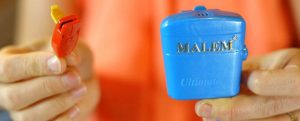
Bedwetting alarms are one of the most studied behavioral treatments for nighttime wetting, and for many families, they work. In practice, most people who use one consistently see significant improvement, with studies commonly citing success rates in the 60–80% range. The catch is that word: consistently. Alarms don’t cure bedwetting overnight. Instead, they train the brain to notice a full bladder before wetting starts, and that training usually takes several weeks of steady use.
Bedwetting alarms are widely considered one of the most established behavioral treatments for nighttime wetting, particularly in children. Rather than just waking someone up, they work through conditioning: a moisture sensor detects the first drops of urine, the alarm sounds, the sleeper wakes and finishes in the bathroom, and over time the brain starts to recognize that same bladder signal before the alarm ever goes off.
How well an alarm works can depend on a few things: the person’s age, how motivated they are to become dry, how deeply they sleep, and — more than anything else — how consistently the alarm gets used night after night.
In this guide, we’ll cover how bedwetting alarms work, who they tend to work best for, how long the process usually takes, and what to look for if you’re comparing alarms for a child, teen, or adult.
Quick Verdict: Do Bedwetting Alarms Work?
For most people who use them every night for several weeks, yes — bedwetting alarms work well. They are one of the most recommended behavioral treatments by pediatricians and can help build long-term nighttime dryness. However, they are not an instant fix. Success depends on consistency, proper sensor placement, and a strong enough alert to wake the sleeper. Skipping nights or stopping too early are the most common reasons alarms fail.
Top pick for most families: The Malem Ultimate Selectable is a clinically proven, wired alarm with multiple tones and strong vibration to prevent tune-out. For a wireless option, the Rodger Wireless System offers maximum comfort with a sensor built directly into special briefs.
Important Buying Consideration: Absorbent underwear like pull-ups can prevent moisture from reaching the sensor, defeating the purpose of the alarm. Before buying, check the manufacturer’s instructions for compatibility. For the conditioning process to work, the sensor generally needs to detect moisture as close to the first drop as possible.
Table of Contents
- How Do Bedwetting Alarms Work?
- How Effective Are Bedwetting Alarms?
- How to Use a Bedwetting Alarm
- Do Bedwetting Alarms Work for Kids?
- Do Bedwetting Alarms Work for Adults?
- Do Bedwetting Alarms Work for Deep Sleepers?
- How Long Do They Take to Work?
- Why Isn’t My Bedwetting Alarm Working?
- Bedwetting Alarm vs. Other Treatments
- Best Features to Look For
- Best Bedwetting Alarms for Kids and Adults
- Frequently Asked Questions
- When to Talk to a Doctor
- Conclusion
Bed Wetting Alarm: How Does It Work?
A typical bedwetting alarm has three basic parts:
- A moisture sensor, usually clipped to underwear or built into it
- An alarm unit, either attached to clothing or placed near the bed
- Alert methods, which can include sound, vibration, or light
When the first drops of urine reach the sensor, the alarm triggers almost immediately. Catching wetting at the very start — rather than after it’s finished — is what makes the conditioning effective.
Alarms generally come in two setups:
- Wearable alarms, which attach directly to the sleeper’s clothing and vibrate or sound right where the person will feel or hear it
- Bedside alarms, which sit near the bed and use a wired sensor
Volume and vibration strength matter more than they might seem to. A deep sleeper may not wake to a soft chime, so a stronger sound, added vibration, or both are often necessary.
What Happens During the First Few Nights?
In the beginning, it’s common for the alarm to go off after wetting has already started. A parent or partner may need to help wake the sleeper fully during this stage, since it’s easy to silence an alarm half-asleep without actually getting up.
This early phase is normal and doesn’t mean the alarm isn’t working. It’s simply the first step in a process that builds over time.
Why Do Bedwetting Alarms Work?
The process is a straightforward feedback loop:
Full bladder → moisture detected → alarm sounds → person wakes → bathroom.
At first, the alarm only goes off after wetting has already started. That’s normal. With repetition, the brain begins connecting the physical feeling of a full bladder with the need to wake up — eventually responding to that feeling before the alarm sounds at all. That shift is the actual goal of alarm therapy, not just the alarm itself.
How Effective Are Bedwetting Alarms?
Results vary from person to person. Some people notice fewer wet nights within the first couple of weeks. Others need six weeks or more before they see real progress. Neither pace means the alarm isn’t working.
A few factors tend to influence how quickly someone responds:
- Age and readiness to participate in the process
- How deep a sleeper the person is
- Whether the alarm is used every single night
- Whether a parent or partner is helping during the early stage
- Sensor placement and alarm volume/vibration strength
In practice, faster results are common when the sensor is positioned correctly, the alarm is loud or strong enough to wake the sleeper, and nights aren’t skipped.
It helps to separate three different outcomes, because they aren’t the same thing:
- Becoming dry while using the alarm. This usually happens first — the sleeper starts waking up and getting to the bathroom in time.
- Developing long-term nighttime dryness. This is the real goal, and it takes longer to build.
- Relapsing after treatment stops. This can happen if the alarm is stopped too soon, before the new response is fully locked in.
An alarm isn’t just a device that wakes someone up — it’s a training tool. The wake-up is only useful because it’s paired, night after night, with the physical sensation of a full bladder. That repetition is what teaches the brain to respond on its own.
Bottom line: Bedwetting alarms work well for most people who use them every night for several weeks, but they’re not an instant fix. Skipping nights or giving up early is the most common reason they don’t work.
How to Use a Bedwetting Alarm
Getting the technique right matters as much as the alarm itself. Here’s the general process:
- Choose the right alarm and sensor for the sleeper’s needs.
- Position the sensor in the recommended spot, following the manufacturer’s instructions.
- Test the alarm before bedtime to confirm it’s working.
- Use the bathroom right before going to sleep.
- Turn the alarm on.
- Respond immediately when it sounds — don’t wait.
- Stop the alarm and get completely out of bed.
- Use the bathroom, then clean and reposition the sensor.
- Reset the alarm and go back to sleep.
Simply sleeping through the alarm — or turning it off without getting up — doesn’t provide the intended conditioning. The brain needs the full sequence: wake, recognize the sensation, get up, and use the bathroom.
For younger children, parents often need to help with waking during the early weeks, but it works best when the child is still an active participant rather than having the process taken over entirely.
Do Bedwetting Alarms Work With Pull-Ups?
This is one of the biggest points of confusion before buying, so it’s worth addressing early. In many cases, absorbent underwear like pull-ups can delay or block moisture from reaching the sensor at all, which defeats the purpose of the alarm. Some alarms are designed to work through thin absorbent layers, while others need direct contact with regular underwear to detect moisture quickly.
Before buying, check the manufacturer’s instructions for compatibility. If the goal is nighttime dryness rather than simply managing wetness, the sensor generally needs to detect moisture as close to the first drop as possible — something standard pull-ups can interfere with.
How to Clean and Maintain the Moisture Sensor
A sensor that isn’t cleaned properly can stop detecting moisture reliably, or start giving off false alarms. After each use:
- Wipe the sensor with a damp cloth and mild soap, then dry it fully before the next use.
- Avoid submerging electronic components in water unless the manufacturer specifically says it’s safe.
- Check metal clips or contacts for corrosion, especially with nightly use over several weeks.
- Air out fabric-based sensors or wearable briefs between uses to prevent lingering odor.
A quick nightly wipe-down takes seconds and helps the alarm keep working the way it’s supposed to.
How to Get Better Results From a Bedwetting Alarm
- Use the alarm every night — consistency is what drives the training effect.
- Keep it within easy reach so responding quickly is simple.
- Double-check sensor placement each night.
- Avoid turning the alarm off and going back to sleep without getting up.
- Keep a simple record of wet and dry nights to track progress over time.
- Maintain a positive, non-punitive approach throughout the process.
- Give the process enough time — conditioning doesn’t happen in a few days.
A simple sticker chart or progress log can help here, and not just for motivation. Tracking wet and dry nights side by side makes gradual progress easier to see, which matters because early improvement is often subtle — a smaller wet patch, or waking slightly earlier than the night before. Rewarding effort and consistency, rather than only fully dry nights, also helps prevent the anxiety that can actually make bedwetting worse. This is meant to be a supportive process, not a pass/fail test.
Do Bedwetting Alarms Work for Kids?
Children are the most common users of bedwetting alarms, largely because most nighttime wetting in children resolves through exactly this kind of conditioning. Age, motivation, and family support all play a role in how the process goes.
Younger children typically need more parental involvement — waking them fully, walking through the bathroom routine, and resetting the alarm. An alarm tends to work especially well when the child is genuinely motivated to become dry, rather than only participating because a parent wants them to.
What Age Should You Use a Bedwetting Alarm?
Most guidance points toward starting somewhere around ages 6 to 7, though this varies by child. What matters more than the number is whether the child is developmentally ready to participate: understanding the routine, waking (even with help), and following the steps consistently.
Chronological age alone shouldn’t be the deciding factor. A motivated 6-year-old may do better than a reluctant 9-year-old. If bedwetting continues well into the school-age years, or becomes a source of significant distress, it’s worth discussing with a pediatrician alongside — or instead of — starting an alarm.
Do Bedwetting Alarms Work for Older Kids and Teens?
Alarms aren’t just for young children. Older kids and teens can still respond well to conditioning, though embarrassment and privacy often become bigger concerns at this age. A bulky alarm with a visible wire can feel mortifying to a 13-year-old, even if it works just as well as any other option.
Discreet, wireless alarms tend to be a better fit here, since they’re harder for siblings or friends (in the case of sleepovers) to notice.
Do Bedwetting Alarms Work for Adults?
Adult bedwetting can have different underlying causes than typical childhood nighttime wetting, including sleep disorders, hormonal changes, certain medications, or underlying medical conditions. Because of that, an alarm can still be useful, but it shouldn’t automatically be treated as a simple behavioral fix.
If bedwetting is new, persistent, worsening, or shows up alongside other symptoms, it’s worth talking to a healthcare provider before assuming an alarm alone will solve it. Once other causes have been ruled out or addressed, an alarm can still play a helpful role, and a discreet, wearable design tends to matter even more for adult users than for children.
What Makes an Adult Bedwetting Alarm Different?
- Stronger sound and/or vibration, since deeper sleep patterns are common in adults
- A discreet, low-profile wearable design
- Comfortable sensor placement for all-night wear
- Less dependence on someone else for waking or resetting
- Simple cleaning and resetting, since it’s a solo routine
Do Bedwetting Alarms Work for Deep Sleepers?
This is one of the biggest concerns for anyone considering an alarm, and it’s a fair one. Deep sleepers may not wake immediately when a standard alarm sounds, especially in the first few nights before any conditioning has built up.
That said, being a deep sleeper doesn’t automatically mean an alarm will fail. It usually means a stronger alert setup is needed — loud audio, added vibration, multiple alarm modes, or alerts that gradually increase in intensity if the first signal doesn’t wake the sleeper.
Having a parent or partner help during the early stages can also make a real difference while the sleeper’s response is still developing.
How Do You Wake a Deep Sleeper With a Bedwetting Alarm?
- Choose a combined sound-and-vibration alarm when possible.
- Make sure the alarm is positioned where it will actually be heard or felt.
- Have a parent or partner assist during the first several nights.
- Confirm the sleeper is completely out of bed, not just conscious enough to hit a button.
- Avoid the habit of silencing the alarm while still half-asleep.
How Long Do Bed Wetting Alarms Take to Work?
Progress usually happens gradually, over weeks rather than days. Most people move through a few general stages:
- Early stage: Waking up after the alarm sounds, often after wetting has already started.
- Middle stage: Fewer wetting episodes, or smaller wet patches, as the response starts to build.
- Conditioning stage: Waking up before wetting occurs, as the brain begins responding to the bladder signal itself.
- Maintenance stage: Consistently dry nights, night after night.
Many people see meaningful improvement within 6 to 12 weeks of nightly use, though the exact timeline depends on the individual. Stopping too early — right after the first stretch of dry nights — is one of the most common reasons bedwetting comes back.
How Long Should You Use a Bedwetting Alarm?
Most guidance recommends continuing the alarm through a full, consistent treatment period rather than stopping as soon as things improve. One approach used in many clinical guidelines is an “over-learning” phase: once someone reaches around 14 consecutive dry nights, they continue using the alarm while also drinking extra fluids before bed. This puts the newly learned response to a tougher test, helping confirm that the brain has genuinely locked in the reflex rather than just gotten lucky with a few easy nights.
If there’s no improvement after several weeks of consistent use, it’s worth reassessing a few things before giving up:
- Is the sensor positioned correctly and cleaned regularly?
- Is the alarm loud or strong enough to reliably wake the sleeper?
- Has it been used every single night, without gaps?
- Could something else be contributing to the wetting that a healthcare provider should look into?
Why Isn’t My Bedwetting Alarm Working?
A few common issues account for most cases where an alarm doesn’t seem to be helping:
- The sensor isn’t detecting moisture properly.
- The alarm isn’t loud enough for the sleeper.
- The sleeper turns it off without getting up.
- The sleeper sleeps through it entirely.
- It’s being used inconsistently, with skipped nights.
- A pull-up or absorbent underwear is preventing detection.
- The sensor is positioned incorrectly.
- Treatment was stopped too soon, before the response fully developed.
Working through this list in order is usually the fastest way to figure out what’s actually going wrong.
What If the Alarm Doesn’t Wake My Child?
- Have a parent help with waking during the early weeks.
- Combine sound with vibration if the alarm supports it.
- Make sure the child is fully awake — not just stirring — before heading to the bathroom.
- Keep the tone supportive; punishment or embarrassment tends to work against progress, not for it.
Bedwetting Alarm vs. Other Bedwetting Treatments
| Treatment | How It Works | Best For |
|---|---|---|
| Bedwetting alarm | Conditions the brain to respond to a full bladder before wetting | Most children and many adults, especially with consistent nightly use |
| Medication | Reduces urine production overnight or affects bladder signals | Short-term situations (sleepovers, camp) or as directed by a doctor |
| Scheduled nighttime waking | Wakes the sleeper on a set schedule to use the bathroom | Younger children or as a supplement to alarm training |
| Bladder training | Daytime exercises to increase bladder capacity and control | Children with smaller functional bladder capacity |
| Fluid-management strategies | Adjusts timing and amount of fluids before bed | Nearly everyone, often used alongside other treatments |
The right approach depends on the underlying cause and the individual. An alarm isn’t automatically the best fit for every situation — for some people, a combination of approaches works better than any single one.
Best Bedwetting Alarm Features to Look For
Loudness and Alarm Modes
Look for adjustable volume, multiple tone options, and vibration. Some alarms also offer combined sound-and-vibration modes, which tend to work better for deeper sleepers.
Comfortable Moisture Sensor
A good sensor should be small, securely attached, and fast to detect moisture. Easy cleaning matters too, since it’s handled nightly.
Wired vs. Wireless Bedwetting Alarms
Wired alarms are generally more affordable and considered highly reliable, since there’s a direct connection between the sensor and the alarm unit. The trade-off is the cord itself, which some sleepers find uncomfortable or restrictive.
Wireless alarms remove that cord, which many people find more comfortable for restless sleepers or for older kids and teens who are self-conscious about visible equipment. For a closer look at specific models, see our dedicated guide to the best wireless bedwetting alarms.
Best Bedwetting Alarm for Deep Sleepers
For deep sleepers, the alert method matters more than almost anything else. Strong vibration, loud multi-tone audio, and a dependable sensor connection all make a meaningful difference in how quickly the alarm actually wakes the sleeper.
Best Bedwetting Alarms for Kids and Adults
Every alarm below is a strong option, but the right pick depends on who’s using it and what matters most — sleep depth, discretion, age, or budget.
Malem Ultimate Selectable
A clip-on wired alarm with variable tones and strong vibration, widely used in clinical settings. Rotating between tones helps prevent auditory accommodation (tuning out a single sound over time).
Best for: Children who need a reliable, clinically proven alarm.
Considerations: The wire can feel restrictive for restless sleepers.
Rodger Wireless System
A wireless alarm system where the moisture sensor is built directly into specially designed briefs with a snap-on transmitter. This eliminates wires entirely for maximum sleep comfort.
Best for: Restless sleepers and those who want maximum comfort.
Considerations: Replacement briefs and transmitter units increase overall cost.
Chummie Elite
A wired alarm featuring 8 selectable loud alert tones, volume control, and strong vibration. The ability to switch sound profiles paired with high-intensity vibration makes it ideal for heavy sleepers.
Best for: Deep sleepers who need a powerful alert.
Considerations: Wired design may be less comfortable for some.
DRI Sleeper Eclipse
An ultra-discreet wireless alarm featuring a compact Urosensor inserted into standard underwear. Its quiet-alert options and pocketable receiver support private, independent management without parental intervention.
Best for: Teens and adults who need a discreet, independent solution.
Considerations: Higher price point.
Wet-Stop3
A reliable wired alarm providing sound, light, and vibration alerts via a clip-on sensor. It includes reward star charts to track progress, making it an accessible starter choice.
Best for: First-time users and budget-conscious families.
Considerations: Offers fewer sound customization options.
Bedwetting Alarm Comparison Table
| Product | Best For | Alarm Type | Sensor Type | Sound / Vibration | Wireless / Wired | Key Advantage |
|---|---|---|---|---|---|---|
| Malem Ultimate Selectable | Kids overall | Clip-on unit | Easy-clip sensor | 8 tones + strong vibration | Wired | Clinically proven; multi-tone prevents tune-out |
| Rodger Wireless System | Wireless comfort | Wall plug/receiver | Built-in sensor briefs | Customizable tones + vibration | Wireless | Zero wires; sensor built into underwear |
| Chummie Elite | Deep sleepers | Clip-on unit | One-Touch sensor | 8 tones + high vibration | Wired | High volume and strong vibration intensity |
| DRI Sleeper Eclipse | Teens & adults | Portable receiver | Molded Urosensor | Sound + discreet vibration | Wireless | Compact, highly private, independent use |
| Wet-Stop3 | First-time / Budget | Clip-on unit | Magnetic/clip sensor | Sound, LED light, vibration | Wired | Budget-friendly; includes reward tracking chart |
Availability, pricing, and specific product features may vary — check manufacturer listings before purchasing.
Frequently Asked Questions About Bedwetting Alarms
Do bed wetting alarms really work?
Yes, for most people who use them consistently, bedwetting alarms are an effective way to build long-term nighttime dryness, though it usually takes several weeks.
Do bedwetting alarms work for kids?
Yes — children are the most common and often most responsive users, especially with parental support during the early weeks.
Do bedwetting alarms work for deep sleepers?
They can, but deep sleepers often need a stronger alert (sound plus vibration) and some help waking fully during the first several nights.
Do bedwetting alarms work for adults?
They can help, but new or persistent adult bedwetting is worth discussing with a healthcare provider first, since it can have different causes than childhood bedwetting.
Do bedwetting alarms work with pull-ups?
Sometimes — it depends on the alarm and how absorbent the underwear is. Check the manufacturer’s compatibility guidance before relying on one with pull-ups.
How long do bed wetting alarms take to work?
Most people see meaningful progress within 6 to 12 weeks of consistent, nightly use, though timelines vary by individual.
What age should you use a bedwetting alarm?
Many families start around ages 6 to 7, but readiness — not age alone — is what determines whether a child is likely to succeed.
Can you use a bedwetting alarm every night?
Yes, and nightly use is actually what the conditioning process depends on — skipping nights slows progress.
What happens if a bedwetting alarm doesn’t work?
Check sensor placement, alarm volume, and consistency first. If there’s still no improvement after several weeks, it’s worth talking to a healthcare provider.
When to Talk to a Doctor About Bedwetting
An alarm can be a great first step, but it doesn’t replace medical evaluation in every case. It’s worth checking in with a healthcare provider if bedwetting:
- Starts suddenly after a period of established dryness (sometimes called secondary nocturnal enuresis, as opposed to primary nocturnal enuresis, where the person has never had extended dry nights)
- Comes with daytime symptoms, such as frequent urination or urgency
- Is accompanied by pain, excessive thirst, constipation, or loud snoring
- Is causing significant distress for the child or adult involved
- Begins suddenly in an adult who has never had this issue before
A bedwetting alarm is a well-supported tool, but it works best once any underlying medical cause has been considered — not as a substitute for that conversation.
Conclusion: So, Do Bed Wetting Alarms Work?
For most people who use them consistently, yes — bedwetting alarms work. They’re one of the most well-supported behavioral treatments available because they teach the brain to respond to bladder signals, rather than just masking the problem for one night at a time.
The trade-off is patience. Alarms typically take several weeks to show their full effect, and stopping too early is one of the most common reasons people don’t see lasting results. Choosing the right alarm — one that matches the sleeper’s age, sleep depth, and need for discretion — makes that process considerably easier.
If you’re ready to compare specific models, our top-rated bedwetting alarms are a good place to start narrowing down the right fit for your situation.