Bedwetting isn’t just a childhood problem. Plenty of adults deal with nighttime accidents, and it can feel isolating because so little is written about it from an adult point of view.
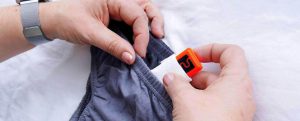
A bed wetting alarm for adults works on a simple idea: a small sensor detects the first drops of urine, then an alarm wakes you before your bladder fully empties. Over weeks of consistent use, many people start responding to the sensation of a full bladder on their own, even before the alarm goes off.
This guide covers the best adult bedwetting alarms, how they work, what to look for, and how to use one correctly. If you’re ready to compare products, jump to the table below. If you’re not sure an alarm is even the right starting point, keep reading — persistent or newly developed bedwetting in adulthood can sometimes point to an underlying medical issue, and that’s worth ruling out before you buy anything.
Quick Verdict: Best Bed Wetting Alarms for Adults
Best Overall: Chummie Pro — A bed-side sensing mat means nothing touches your body, with a 10-foot cord designed for adult-sized beds.
Best Wireless: DRI Sleeper Eclipse — A small, low-profile wireless transmitter eliminates the cord for greater freedom of movement.
Best for Deep Sleepers: Malem Ultimate — Eight selectable tones plus strong vibration and light make this one of the most customizable alarms available.
Best Budget: DryEasy — Covers the core features like volume control, multiple tones, and vibration without the premium price tag.
Table of Contents
- Best Bed Wetting Alarms for Adults at a Glance
- What Is a Bed Wetting Alarm for Adults?
- How Does an Adult Bedwetting Alarm Work?
- What to Look For in an Adult Bedwetting Alarm
- Bedwetting Alarm System for Adults: Which Type Is Best?
- How We Chose the Best Bedwetting Alarms for Adults
- Best Bed Wetting Alarm for Adults: Detailed Reviews
- Bed Wetting Alarm for Adults vs. Other Bedwetting Solutions
- How to Use a Bedwetting Alarm for Adults
- How Long Does an Adult Bedwetting Alarm Take to Work?
- Are Bedwetting Alarms Effective for Adults?
- When Should Adults Talk to a Doctor About Bedwetting?
- Frequently Asked Questions About Bed Wetting Alarms for Adults
- Final Verdict: Which Is the Best Bed Wetting Alarm for Adults?
Best Bed Wetting Alarms for Adults at a Glance
| Product | Alarm Type | Sensor Style | Wired/Wireless | Best For | Key Feature | Price Range |
|---|---|---|---|---|---|---|
| Chummie Pro | Sound + vibration | Bedside sensing mat | Wired (10 ft cord) | Best overall | No wearable clip; long cord designed for adult use | $$$ |
| DRI Sleeper Eclipse | Sound | Underwear clip | Wireless | Best wireless | Small transmitter, no cord across the body | $$ |
| Malem Ultimate | Sound + vibration + light | Underwear clip | Wired | Best for heavy sleepers | 8 selectable tones plus strong vibration | $$ |
| Wet Detective | Sound | Bed pad (30″ x 34″) | Wired | Best bed-pad system | Large pad means no sensor touches your body | $$ |
| Rodger Wireless | Sound | Sensor woven into briefs | Wireless | Best discreet option | Looks and feels like regular underwear | $$$ |
| DryEasy | Sound + vibration | Underwear clip | Wired | Best budget option | Core detection and vibration without the premium price | $ |
| Shield Prime/Max | Sound + vibration + light | Underwear clip | Wired | Best for customization | 8 tones, adjustable volume, and vibration settings | $$ |
Check current pricing and availability before buying, since retailers update stock and pricing often.
What Is a Bed Wetting Alarm for Adults?
A bed wetting alarm for adults is a small device built around three parts:
- A moisture sensor. This sits either on your underwear, sewn into specialized briefs, or built into a pad placed under your sheet.
- An alarm unit. This produces sound, vibration, or both.
- A receiver or wearable unit, depending on whether the system is wired, wireless, or bedside.
When the sensor picks up the first traces of moisture, it signals the alarm. The alarm goes off, you wake up, and you stop urinating. That’s the mechanism in its simplest form.
The real goal isn’t just to interrupt one accident. It’s to help your brain build a stronger connection between a full bladder and waking up. This is called alarm-based conditioning, and it’s one of the most studied non-drug approaches to nocturnal enuresis.
Adult versions of these alarms tend to differ from kids’ models in a few practical ways:
- Louder alarms and stronger vibration, since adults have deeper sleep cycles than children in some cases and often need a firmer wake-up signal.
- Longer cables (40+ inches, compared to the 20–30 inch cords found on many pediatric alarms), so the cord doesn’t tug or pull loose when you shift positions in a larger bed.
- Wireless options that remove the cord altogether.
- Adjustable sensitivity, so the alarm doesn’t trigger from every bit of sweat or minor dampness.
- More attention to privacy and discretion, which we’ll get into next.
How Does an Adult Bedwetting Alarm Work?
1. The sensor detects moisture
Depending on the design, the sensor sits against your underwear, is woven directly into specialized briefs, or lies under your bedsheet as a pad. Most sensors are built to catch even a small amount of moisture, so the alarm can go off before a full accident happens.
2. The alarm activates
Once moisture is detected, the alarm unit sounds, vibrates, or does both. Some models add a light. The point is to give your brain a strong enough signal to interrupt sleep.
3. You wake up and stop urinating
This is the behavioral piece. Waking mid-stream and consciously stopping is what starts building the connection between bladder signals and waking up.
4. You use the bathroom and reset the alarm
Finish in the bathroom, change into dry clothes if needed, dry off the sensor, and reset the unit so it’s ready for the rest of the night.
5. Repeated use can help build a response
Over several weeks of consistent use, many people start waking up on their own, sometimes even before the alarm sounds. This doesn’t happen for everyone, and it doesn’t happen overnight. Results vary depending on your sleep habits, how consistently you use the alarm, and whether there’s an underlying medical cause involved.
Best Bedwetting Alarm for Adults: What to Look For
Reliable moisture detection
Look for a sensor that responds to the first drop rather than waiting until you’re substantially wet. Faster detection means the alarm has a better chance of interrupting the accident early. Also check user feedback on false alarms — a sensor that goes off from ordinary sweat can be more frustrating than helpful.
Loud enough for deep sleepers
Volume matters more for adults than most product pages let on. Look for models with adjustable volume, multiple tone options, and vibration as a backup. If you sleep through a standard phone alarm, a bedwetting alarm with only one quiet tone probably won’t cut it.
Privacy and discretion
This deserves its own category for adults. A loud alarm at 2 a.m. can feel embarrassing if you live with a partner, roommates, or family. A few things to look for:
- Vibration-only or silent modes. Some alarms let you switch off sound entirely and rely on vibration alone, which keeps the alert private.
- Wearable or smartwatch-style alerts. A handful of newer systems pair with a wristband so only you feel the notification.
- Discreet packaging. If you’re ordering online, check whether the retailer ships in plain packaging. Most reputable adult bedwetting alarm sellers do this by default, but it’s worth confirming before you check out if it matters to you.
Wireless vs. wired design
Wired alarms connect the sensor to the alarm unit with a cord. Wireless alarms use a small transmitter that sends a signal to a receiver, so there’s no cord at all.
Wireless designs tend to be more comfortable for adults because there’s no cable to get tangled or pulled loose when you turn over in bed. The trade-off is that wireless systems typically cost more and rely on a battery in the transmitter, which needs occasional replacing.
Comfortable sensor placement
There are a few common approaches:
- Clip-on sensors attach to the outside of your underwear.
- Underwear with sensors sewn in look and feel close to regular briefs, with no separate clip.
- Bed-pad sensors sit under your sheet, so nothing touches your body at all.
- Wearable transmitter designs combine a small sensor with a compact unit worn on an armband or waistband.
None of these is universally “better.” It comes down to what you find comfortable and how much you want a device touching your body overnight.
Easy setup and nighttime operation
Look for a reset button you can find in the dark, a battery compartment that’s simple to access, and controls that don’t require you to be fully awake and alert to use.
Adjustable sensitivity
Sensitivity settings let you fine-tune how much moisture triggers the alarm. This helps avoid alarms triggered by minor sweating, especially in warmer climates or if you tend to sleep hot.
Easy-to-clean components
Sensors and pads should be waterproof and washable. If a part is not, check whether replacement sensors are sold separately, since you’ll likely need one eventually.
Battery life
Most alarms run on standard AAA or AA batteries, though some transmitters use small watch-style batteries. Look for a low-battery indicator, since a dead battery partway through a treatment plan can undo weeks of consistent progress.
Bedwetting Alarm System for Adults: Which Type Is Best?
Wearable bedwetting alarms
Best for: Adults who want a compact, portable system they can pack in a bag.
A sensor clips to the outside of your underwear, and the alarm attaches to a shirt collar or armband. These systems are usually the most affordable and travel well. The downside is a cord connecting the sensor to the alarm unit, which some adults find gets in the way when changing sleep positions.
Wireless bedwetting alarm systems
Best for: Adults who dislike cables or move around a lot during sleep.
The sensor communicates wirelessly with a receiver, so there’s no wire running across your body. This gives more freedom of movement and tends to feel less like a medical device. The main considerations are battery life on the transmitter and making sure the wireless range covers your bedroom setup.
Bed-pad or mattress sensor alarms
Best for: Adults who don’t want to wear anything at all.
A moisture-sensing pad goes under your sheet instead of on your body. This is often the most comfortable option psychologically, since nothing is clipped or strapped on. Bed pads are also a common preference among adults specifically because they feel less clinical than a wearable clip. The trade-off is that pad sensors can pick up moisture slightly later than a sensor worn directly against the body, since urine has to travel further to reach it.
Underwear sensor vs. bed pad, in practice: underwear and clip sensors detect moisture the instant it happens, which usually means a faster wake-up and less overall wetness. Bed pads sacrifice a bit of that speed in exchange for comfort and the feeling of not wearing “equipment” to bed. If discretion and comfort matter more to you than the fastest possible detection, a pad system is worth prioritizing.
Combination sound and vibration alarms
Best for: Deep sleepers or anyone who doesn’t reliably wake to sound alone.
These alarms pair an audible tone with strong vibration, and sometimes a light, so there are multiple ways to interrupt sleep. Many also let you switch to vibration-only, which is useful if privacy is a priority.
How We Chose the Best Bedwetting Alarms for Adults
We evaluated each product based on:
- Moisture detection reliability
- Alarm volume and tone options
- Vibration strength
- Sensor design and comfort
- Wireless performance, where applicable
- Ease of setup and nighttime use
- Cleaning and maintenance requirements
- Battery life and battery indicators
- Availability of replacement parts
- Warranty coverage
- Customer feedback patterns
- Overall value for the features included
We didn’t rank products by star rating alone. A high average rating doesn’t tell you whether a device actually suits an adult body, an adult schedule, or an adult’s need for privacy, so we weighed real-world fit alongside the numbers.
Best Bed Wetting Alarm for Adults: Detailed Reviews
1. Chummie Pro
Quick verdict: If you’d rather not wear anything to bed, the Chummie Pro’s under-sheet sensing mat is one of the few systems built specifically with adult and teen users in mind.
What We Like
- Bed-side moisture-sensing mat means nothing touches your body
- 10-foot cord designed for adult-sized beds, reducing the chance of it pulling loose overnight
- Two-step shutoff requires you to fully wake up before the alarm turns off, which supports the conditioning process
What to Consider
- Costs more than basic wearable models
- The mat needs to be positioned correctly under the sheet each night, which takes a little getting used to
- As a pad-based sensor, detection may be a touch slower than a clip worn directly on underwear
Key features: Sound and vibration alarm, bedside sensing mat, wired (10 ft cord), adjustable volume, one-year warranty
Best for: Adults who want to avoid wearing a sensor and don’t mind a wired setup.
2. DRI Sleeper Eclipse
Quick verdict: For adults who specifically want to get rid of the cord, this is a straightforward wireless option with a small, low-profile sensor.
What We Like
- No cable running from sensor to alarm unit
- Compact transmitter is easy to clip on and forget about
- Reasonably simple setup for a wireless system
What to Consider
- Wireless range can vary depending on your home’s layout
- Transmitter battery needs periodic replacement
- Alarm tone options are more limited than some higher-end models
Key features: Sound alarm, underwear clip sensor, wireless, compact transmitter
Best for: Adults who move around during sleep and find cords uncomfortable or restrictive.
3. Malem Ultimate
Quick verdict: This is one of the loudest, most customizable alarms available, which makes it a strong pick if you’ve slept through other alarms before.
What We Like
- Eight selectable tones plus a light and vibration, so you can find a combination that actually wakes you
- Sensor has a secure-grip design that’s less likely to come loose overnight
- Detects moisture quickly
What to Consider
- The volume and multiple alert modes can feel like a lot if you live with a partner and don’t need maximum intensity
- Wired sensor design
- Setup involves choosing between several sound and vibration combinations, which takes some trial and error
Key features: 8 tones, light, vibration, wired underwear clip sensor, compact alarm unit
Best for: Adults who haven’t woken up reliably with quieter or single-tone alarms.
4. Wet Detective
Quick verdict: A dedicated washable bed pad for adults who want a bed-pad style system without wearing anything.
What We Like
- Large sensing pad (roughly 30″ x 34″) covers a wide area
- No clip or wearable sensor involved
- Washable, reusable pad design
What to Consider
- Bed pads generally detect moisture a bit later than a sensor worn on the body
- Requires correct pad placement each night
- Wired connection to the bedside alarm
Key features: Sound alarm, large washable bed pad, wired
Best for: Adults who specifically want a pad-based system as an alternative to wearable clips.
5. Rodger Wireless
Quick verdict: The sensor is sewn directly into specialized briefs that look close to regular underwear, which makes this one of the more discreet setups on this list.
What We Like
- No visible clip or wire; the underwear itself is the sensor
- Wireless transmitter is small and snaps onto the waistband
- Detects moisture the instant it happens, since the sensor is built into the fabric
What to Consider
- Requires wearing the specific sensor briefs rather than your own underwear
- Costs more than clip-based alarms, and replacement briefs are an added expense
- Sizing needs to be accurate for the sensor threads to work correctly
Key features: Sound alarm (multiple tone options), sensor-woven briefs, wireless transmitter and receiver
Best for: Adults who want the most discreet possible sensor and don’t mind wearing specialized underwear.
6. DryEasy
Quick verdict: If you want to try an alarm before committing to a premium system, this covers the core features without the higher price tag.
What We Like
- Includes volume control, several alert tones, and vibration
- More affordable than most wireless or pad-based systems
- Straightforward clip-on setup
What to Consider
- Fewer premium touches, like app integration or extra-long cords
- Sensor and build quality are more basic than higher-priced alternatives
- Wired design only
Key features: Sound and vibration alarm, underwear clip sensor, adjustable volume, wired
Best for: Adults who want to test whether alarm-based conditioning works for them before spending more.
7. Shield Prime/Shield Max
Quick verdict: With eight tone options and adjustable volume and vibration, this alarm is built for people who want to fine-tune their setup rather than use a one-size-fits-all alert.
What We Like
- Wide range of tone, volume, and vibration combinations
- Helps avoid “alarm fatigue,” where you start sleeping through a single repetitive tone
- Light indicator adds a visual cue alongside sound and vibration
What to Consider
- More settings mean a slightly longer setup process
- Wired underwear clip sensor
- Some adults may not need this level of customization
Key features: 8 tones, adjustable volume, vibration, light, wired clip sensor
Best for: Adults who’ve tried a basic alarm and want more control over the alert itself.
Bed Wetting Alarm for Adults vs. Other Bedwetting Solutions
| Solution | Best For | Main Advantage | Main Drawback |
|---|---|---|---|
| Bedwetting alarm | Long-term training | Addresses the nighttime response, not just the mess | Requires consistent nightly use |
| Waterproof mattress protector | Protecting the mattress | Simple and inexpensive | Doesn’t prevent wetting |
| Absorbent underwear | Managing accidents | Convenient, no training required | Doesn’t address the underlying cause |
| Bed pads | Protecting bedding | Easy cleanup | Doesn’t prevent wetting |
| Medical treatment | Certain underlying conditions | Can target the specific cause | Requires professional evaluation |
Many adults use more than one of these at once. A mattress protector or absorbent underwear can reduce cleanup and stress while you’re going through the weeks it takes for alarm-based conditioning to show results.
How to Use a Bedwetting Alarm for Adults
- Set up the alarm according to the manufacturer’s instructions before your first night.
- Position the sensor correctly, whether that’s clipped to underwear, worn as sensor briefs, or placed under your sheet.
- Test that you can actually hear or feel the alarm before you rely on it overnight.
- Respond immediately when it activates. Don’t try to “sleep through” it once or twice to see what happens.
- Go to the bathroom to finish urinating.
- Dry off, reset the sensor, and reconnect the alarm so it’s ready for the rest of the night.
- Use it consistently, every night, rather than only on nights you’re worried about.
- Track your progress over several weeks. Most alarms include a simple chart for this.
How Long Does an Adult Bedwetting Alarm Take to Work?
Timelines vary a lot from person to person. Some people notice a change within the first couple of weeks. Others need a few months of consistent use before they start waking up on their own.
Occasional accidents during the process don’t necessarily mean the alarm has failed. Progress with bladder conditioning is rarely a straight line. What matters most is consistency, night after night, rather than expecting quick results.
Over time, many people gradually learn to respond to the sensation of a full bladder without needing the alarm to go off first. If you’re not seeing any change after a couple of months of consistent use, it’s worth following the manufacturer’s specific usage guidance and, if needed, checking in with a doctor.
Are Bedwetting Alarms Effective for Adults?
A bedwetting alarm is designed to condition a stronger response to bladder signals during sleep. For many adults, especially those whose bedwetting has been lifelong (known as primary nocturnal enuresis), consistent alarm use can lead to real improvement.
Results vary based on a few factors:
- How consistently the alarm is used
- Sleep depth and overall sleep quality
- Whether there’s an underlying medical cause involved
That last point matters more for adults than it does for children. If bedwetting shows up for the first time as an adult, or after years of being dry, an alarm may treat the symptom without addressing the cause. In those cases, a medical evaluation should generally come before — or alongside — trying an alarm.
No product on this list, or anywhere else, can guarantee a cure. What alarms offer is a well-studied, non-drug approach with a reasonable track record when used consistently and paired with the right expectations.
If you’ve read through the sections above and think a particular type of alarm fits your situation, the comparison table and detailed reviews above are a good place to go back to.
When Should Adults Talk to a Doctor About Bedwetting?
This section matters because adult bedwetting can have more than one cause, and an alarm isn’t always the right first step.
It’s worth talking to a doctor if:
- Bedwetting starts suddenly after a period of being consistently dry (this is called secondary enuresis, and it’s different from lifelong bedwetting)
- It happens frequently or seems to be getting worse over time
- You notice painful or unusually frequent urination
- You’ve noticed unusual thirst or a big increase in how much urine you’re producing
- There’s blood in your urine
- You have other new or unusual urinary symptoms
- You snore heavily or have other signs of a sleep disorder like sleep apnea
- A recent medication change lines up with when the bedwetting started
Frequently Asked Questions About Bed Wetting Alarms for Adults
Do bedwetting alarms work for adults?
Many adults see improvement with consistent use, especially when bedwetting has been lifelong rather than newly developed. Results vary by individual, and consistency matters more than the specific brand.
What is the best bedwetting alarm for adults?
It depends on your priorities. The Chummie Pro is a strong overall pick for adults who prefer not to wear a sensor, the DRI Sleeper Eclipse is a good wireless option, and the Malem Ultimate is worth considering if you’re a heavy sleeper.
Is there a bedwetting alarm system for adults?
Yes. Several brands, including Chummie, Malem, and Rodger, offer versions designed with adult bodies, adult bed sizes, and adult privacy needs in mind, rather than simply using a smaller children’s model.
Are wireless bedwetting alarms better?
Not universally better, but often more comfortable. Wireless designs remove the cord that connects a wired sensor to the alarm unit, which some adults find more comfortable, especially if they move around during sleep.
Can a bedwetting alarm wake a deep sleeper?
It can, particularly models with combined sound, light, and strong vibration, like the Malem Ultimate or Shield Max. No alarm is guaranteed to wake every sleeper every time.
How long should an adult use a bedwetting alarm?
Most manufacturers recommend consistent nightly use for at least several weeks before evaluating results, and some people use one for a few months. Following the specific product’s guidance is the most reliable approach.
Where should the moisture sensor be placed?
This depends on the alarm type. Clip sensors attach to the outside of your underwear. Sensor-woven briefs are worn like regular underwear. Bed-pad sensors go under your fitted sheet, ideally centered where your body makes the most contact.
Can adults use children’s bedwetting alarms?
Some adults do, but children’s models often have shorter cords and less powerful alarms that may not suit adult bodies or deeper adult sleep patterns. Adult-specific or adult-and-teen-rated products are usually a better fit.
Are bedwetting alarms safe for adults?
Generally, yes. These devices detect moisture and produce sound or vibration; they don’t involve medication or electrical stimulation. As with any health-related purchase, it’s still worth checking in with a doctor if you have questions specific to your situation.
Do bedwetting alarms work for heavy sleepers?
They can, especially models designed specifically for that purpose, with strong vibration and multiple tone options. Heavy sleepers may need to try a couple of settings before finding one that reliably wakes them.
Can a bedwetting alarm stop adult bedwetting permanently?
For some people, consistent use leads to lasting improvement. For others, especially where an underlying medical condition is involved, the alarm may help manage symptoms without resolving the root cause. No product can promise a permanent cure.
What should I do if the alarm doesn’t wake me up?
Try increasing the volume, switching to a combination of sound and vibration, or moving to a model built specifically for deep sleepers. If nothing seems to work after a few weeks, it’s worth talking to a doctor to rule out an underlying cause.
Final Verdict: Which Is the Best Bed Wetting Alarm for Adults?
- Best overall: Chummie Pro
- Best wireless: DRI Sleeper Eclipse
- Best for deep sleepers: Malem Ultimate
- Best budget: DryEasy
- Best complete bedwetting alarm system for adults: Rodger Wireless
If privacy is your top concern, start with the Rodger Wireless or a bed-pad option like the Chummie Pro or Wet Detective, since neither involves a visible clip. If you’ve tried an alarm before and it didn’t wake you, the Malem Ultimate‘s combination of sound, light, and vibration is worth considering. And if you’re not sure an alarm is even the right fit yet, it’s worth reviewing the section above on when to see a doctor before you buy anything.
Whichever system you choose, give it a real trial of consistent nightly use before deciding whether it’s working for you.
Our Top Pick for Most Adults
The Chummie Pro offers a bed-side sensing mat so nothing touches your body, plus a long cord designed for adult beds. It’s a strong, comfortable starting point if you’re ready to try alarm-based conditioning.