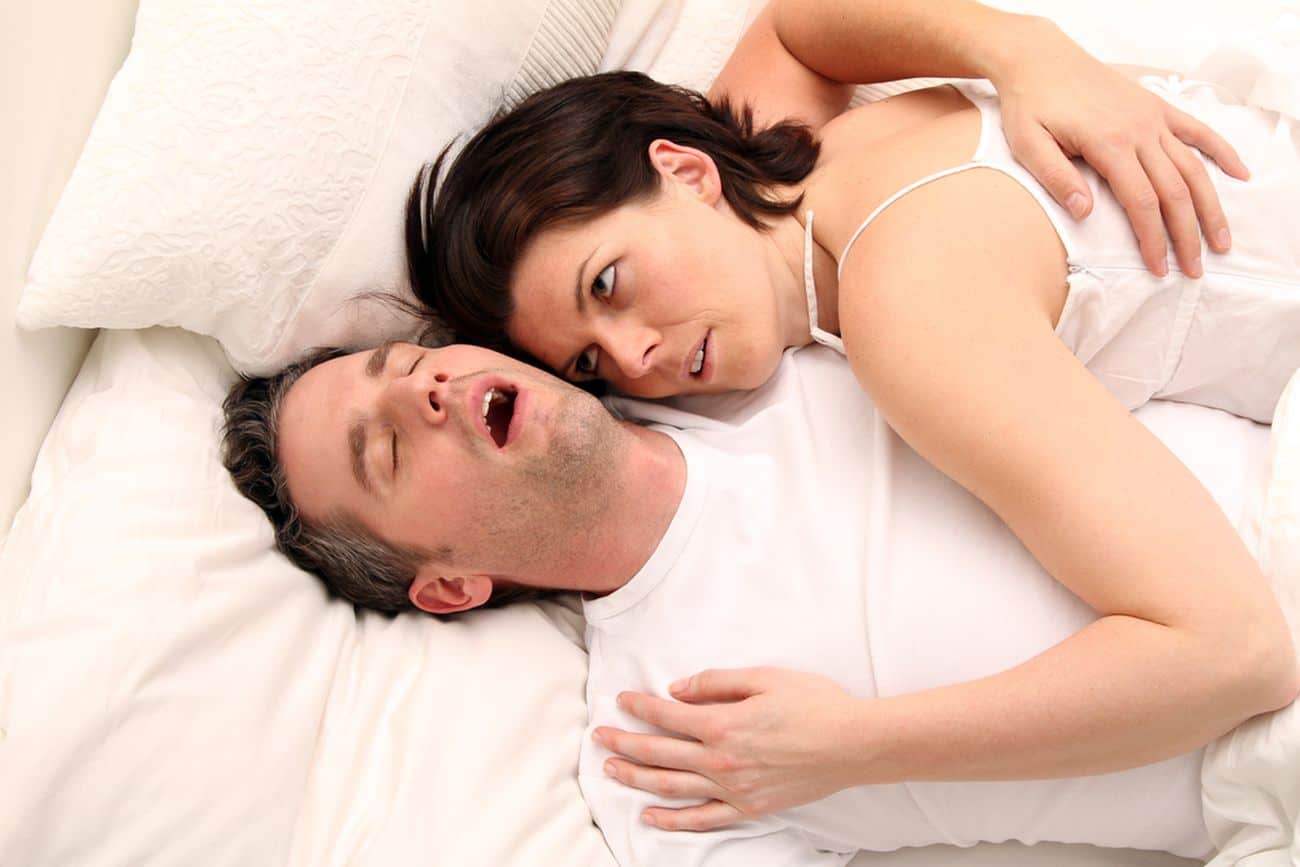
If you’ve ever woken up with a hissing leak near your eyes, a red mark across your nose, or a hose tangled around your pillow, you already know that not all CPAP masks are built the same. A full face mask covers both your nose and mouth, which makes it a common choice for mouth breathers, high-pressure users, and anyone who deals with nasal congestion.
The problem is that “full face mask” isn’t one product. It’s a whole category, and the right pick depends on how you sleep, the shape of your face, and how your CPAP machine is set up.
This guide compares the full face masks worth considering in 2026, based on seal quality, comfort, noise, ease of cleaning, and how well each one holds up for specific situations like side sleeping, beards, and high pressure settings.
- Mouth breathers who lose therapy pressure through an open mouth
- People with nasal congestion or allergies that make nasal breathing unreliable
- High-pressure CPAP or BiPAP users who need a stable seal
- Restless or combination sleepers who move between positions at night
We’ll walk through the top picks for each of these situations, plus the fitting details, cleaning rules, and common problems that most buying guides skip.
- Quick Comparison Table
- What Is a Full Face CPAP Mask?
- Best Full Face CPAP Mask Overall
- Best for Side Sleepers
- Best for Beards
- Best for High Pressure
- Best for Stomach Sleepers
- Best for Mouth Breathers
- Best for Women
- What Makes Good Headgear?
- Hose on Top: Is It Better?
- Noise, Airflow, and Partners
- Travel CPAP Compatibility
- How to Choose
- Common Problems & Fixes
- Cleaning & Maintenance
- Frequently Asked Questions
- Final Verdict
Quick Comparison Table
| Mask Name | Best For | Cushion & Hose Type | Pros | Rating | CTA |
|---|---|---|---|---|---|
| ResMed AirFit F20 | Overall use, high pressure | Silicone, standard front hose | Reliable seal, wide size range | 4.7/5 | Check Price |
| ResMed AirTouch F20 | Beards, sensitive skin | Memory foam, standard front hose | Adapts around facial hair | 4.4/5 | Check Price |
| Fisher & Paykel Vitera | Restless sleepers, mouth breathers | Silicone, standard front hose | Strong forehead stability | 4.5/5 | Check Price |
| ResMed AirFit F30i | Side sleepers, stomach sleepers, women | Silicone, top-of-head hose | Low profile, less hose pulling | 4.5/5 | Check Price |
| Philips DreamWear Full Face | Side sleepers, women | Silicone, top-of-head hose | Lightweight frame | 4.3/5 | Check Price |
| Fisher & Paykel Evora Full | Minimal contact, side/stomach sleepers | Silicone, standard front hose | Floating seal design | 4.6/5 | Check Price |
| Mirage Quattro | Heavy duty, very high pressure | Silicone, standard front hose | Rigid forehead support | 4.0/5 | Check Price |
A quick note on the table above: we kept it to six columns on purpose. Full face masks come with a lot of specs, but cramming eight columns into one table makes it unreadable on a phone. If you want the deeper details on any mask, that’s what the sections below are for.
What Is a Full Face CPAP Mask?
How Full Face CPAP Masks Work
A full face mask seals around both your nose and mouth instead of just one or the other. That matters because if you breathe through your mouth at night, even occasionally, a nasal-only mask can’t hold pressure. Air escapes, therapy gets interrupted, and you wake up more often than you’d like.
Full face masks are designed to keep the seal consistent no matter which way you’re breathing. That tends to mean more consistent therapy, especially for people who’ve had trouble sticking with CPAP in the past.
Who Should Use a Full Face CPAP Mask?
A full face mask is worth considering if you fall into one of these groups:
- You breathe through your mouth at night, even some of the time
- You deal with allergies, a deviated septum, or seasonal congestion
- Your CPAP pressure is on the higher end, and nasal masks keep leaking
- You’re a combination sleeper who shifts between your back, side, and stomach
Full Face vs. Traditional Bridge vs. Hybrid Under-Nose Masks
Before comparing individual products, it helps to understand that “full face mask” actually covers two different design styles, and mixing them together is where a lot of buying guides get confusing.
Traditional bridge masks (like the AirFit F20 and Vitera) cover the bridge of your nose. This design tends to work well for higher pressure settings and for people with a higher nose bridge, but it sits closer to your eyes, which is where leaks and red marks are more likely to show up.
Hybrid under-nose masks (like the AirFit F30i, DreamWear Full Face, and Evora Full) leave the nose bridge open and route air in from below. This makes them a good fit if you read, watch TV, or wear glasses in bed, and it usually means less contact with the bridge of your nose. The trade-off is that hybrid masks can be less stable at very high pressures.
Neither style is objectively better. It depends on your pressure setting, your face shape, and whether you’d rather avoid pressure near your eyes or pressure under your nose.
Best Full Face CPAP Mask Overall
ResMed AirFit F20
The AirFit F20 is the mask most sleep clinics default to, and for good reason. It uses magnetic clips that make it easy to put on and take off without fully undoing the straps, and its silicone cushion holds a seal across a wide range of face shapes.
Why it stands out: The seal design distributes pressure evenly, so it holds up whether you’re on a moderate setting or a higher one. It also comes in multiple cushion sizes, which matters more than most people expect. A mask that’s the wrong size will leak no matter how good the design is.
Who benefits most: Back sleepers and combination sleepers who want one dependable mask without a lot of extra features to manage.
Drawbacks: The frame covers more of your face than a hybrid design, which can feel bulkier if you’re sensitive to that. Some users also find the headgear straps need occasional readjustment through the night.
Best Full Face CPAP Mask for Side Sleepers
Side sleeping puts a mask under pressure literally, since your face is pushing into a pillow for hours at a time. Look for a low-profile frame, a flexible seal, and hose routing that doesn’t get caught underneath you.
ResMed AirFit F30i
The F30i routes its hose from the top of your head instead of the front of your face. That one change makes a real difference for side sleepers, since there’s no hose hanging off your chin to get pinned under a pillow or yanked when you roll over.
Why it works for side sleeping: Less hose pulling means fewer mid-sleep leaks caused by the mask shifting out of position.
Fisher & Paykel Evora Full
The Evora Full uses what Fisher & Paykel calls a floating seal, which is designed to move slightly with your face instead of staying rigid. For side sleepers, that flexibility can mean the seal holds even when a pillow is pressing against one side of the mask.
Why it works for side sleeping: The seal isn’t fixed in one position, so it adapts as your face shifts against the pillow, which helps maintain contact without needing a tight strap adjustment.
Philips DreamWear Full Face
DreamWear uses a lighter frame than most full face masks, and like the F30i, it connects the hose at the top of the head.
Why it works for side sleeping: Less weight on the face means less pressure buildup against a pillow through the night.
What Side Sleepers Should Look For
- A hose connection at the top of the head, not the front
- A flexible cushion that can shift slightly without breaking the seal
- A low-profile frame that doesn’t add bulk against the pillow
- Soft, minimal-contact padding near the cheeks
Best Full Face CPAP Mask for Beards
A beard changes how a mask seals, since silicone doesn’t sit flush against facial hair the way it does against skin. That doesn’t mean full face masks are off the table for bearded sleepers, but it narrows the field.
ResMed AirTouch F20
The AirTouch F20 uses a memory foam cushion instead of silicone. Foam conforms around facial hair in a way silicone can’t, which reduces the tiny gaps where air escapes.
Why it works for beards: The foam adapts to the shape of your beard rather than trying to press through it, which is the main reason this mask outperforms silicone options for bearded users.
One thing to keep in mind: the memory foam cushion cannot be submerged or washed with water. More on that in the cleaning section below, because it’s a detail that trips up a lot of new buyers.
Fisher & Paykel Vitera
The Vitera uses an adaptive silicone seal designed to flex around contours rather than relying purely on pressure to close gaps.
Why it works for beards: For sleepers with shorter or trimmed facial hair, the adaptive seal can hold reasonably well without needing a foam cushion, which some people prefer since foam cushions wear out faster.
Tips for Getting a Better Seal With a Beard
- Trimming the area where the mask seal sits, even slightly, can improve contact
- A thin mask liner can fill small gaps without changing your beard
- Replace cushions on schedule, since a worn cushion seals worse against hair than a new one
- Slightly increasing humidity settings can offset the extra air exchange around a beard
Best Full Face CPAP Mask for High Pressure
If your pressure setting is on the higher end, a mask needs more than a soft cushion. It needs a frame and headgear that can hold a seal without the air pressure pushing the mask off your face.
Mirage Quattro
The Mirage Quattro is an older design, and it shows in its bulkier frame. That said, its rigid forehead support is genuinely useful at higher pressures, where lighter frames tend to flex and leak. Think of this as the classic, heavy-duty option rather than the most comfortable one.
Who should consider it: Sleepers on very high pressure settings, or BiPAP users, who have tried lighter masks and found they don’t hold a seal.
One drawback: it’s noticeably bulkier than newer masks, and the design hasn’t changed much in years. If your pressure setting is moderate, you’ll likely be more comfortable with the AirFit F20 instead.
ResMed AirFit F20
The F20 handles BiPAP and APAP pressure ranges well without needing the extra bulk of the Quattro. Its cushion seal is durable enough for daily high-pressure use while staying more comfortable for side and combination sleepers.
Signs Your Current Mask Can’t Handle Your Pressure Setting
- Loud, hissing leaks that get worse as pressure ramps up
- Waking up with dry or irritated eyes from air blowing upward
- Constantly readjusting the mask mid-sleep
- Air escaping near the cheeks rather than through the vents
Best Full Face CPAP Mask for Stomach Sleepers
Stomach sleeping pushes a mask directly into the pillow, so a low front profile matters more here than almost anywhere else.
ResMed AirFit F30i
The top-of-head hose connection and low front profile make the F30i one of the more workable options for stomach sleepers, since there’s nothing bulky pressing into the pillow from the front.
Fisher & Paykel Evora Full
The floating seal design mentioned earlier for side sleepers helps here too. Since the seal isn’t rigid, it holds up better against the extra pressure of sleeping face-down.
How Stomach Sleepers Can Reduce Mask Leaks
- A CPAP pillow with cutouts gives the mask room instead of pressing it flat
- Routing the hose along the top of the bed frame reduces mid-sleep tugging
- Sleeping at a slight angle, rather than fully face-down, reduces direct pressure on the seal
Best Full Face CPAP Mask for Mouth Breathers
Why Mouth Breathers Need a Full Face Mask
Nasal masks rely on you keeping your mouth closed. If it opens, even briefly, pressure escapes and therapy is interrupted for the rest of the night. A full face mask removes that risk by sealing around the mouth directly, which helps maintain consistent pressure and reduces the dry mouth that comes from unpressurized air moving through an open mouth all night.
Top Picks
- ResMed AirFit F20 — for a dependable, well-tested seal across pressure ranges
- Fisher & Paykel Vitera — for restless sleepers who move positions and need forehead stability to keep the mouth seal intact
- Philips DreamWear Full Face — for a lighter option if the bulk of a traditional frame feels uncomfortable
Best Full Face CPAP Mask for Women
Mask sizing isn’t one-size-fits-all, and a lot of standard frames are built around average male face measurements. Several manufacturers now offer sizing and headgear built around smaller frames, lighter straps, and quieter airflow.
Features Women Often Prefer
- Smaller frame sizing, including extra-small cushion options
- Lighter headgear that doesn’t press as hard against smaller temples
- Softer strap material to reduce marks on smaller face frames
- Quieter exhalation ports, since noise sensitivity is a common complaint
Recommended Masks
ResMed AirFit F30i
Offers a compact cushion size range and the same low-profile benefits described in the side sleeper and stomach sleeper sections above.
Philips DreamWear Full Face
Pairs a lightweight frame with adjustable headgear, which is helpful for smaller face shapes that don’t need a full-size frame.
ResMed AirTouch F20 (For Her)
Uses a softer memory foam cushion and lighter headgear straps, built specifically around smaller face dimensions.
What Makes Good CPAP Mask Headgear?
Headgear gets less attention than the cushion, but a mask with a great seal and bad headgear still won’t hold through the night.
What to look for:
- Minimal pressure points, especially around the temples and back of the head
- Fully adjustable straps rather than fixed-length ones
- Magnetic clips for easy on/off without loosening the whole headgear
- Stability during movement, so the mask doesn’t shift when you change positions
The AirFit F20, Vitera, and DreamWear Full Face all handle these points well, though the Vitera’s forehead support stands out specifically for restless sleepers who move a lot.
Full Face CPAP Mask With Hose on Top: Is It Better?
Routing the hose from the top of the head instead of the front of the face solves a specific problem: hose drag. When the hose hangs off the front of your face, every time you roll over, it pulls slightly on the mask, which can break the seal.
Benefits of a top-hose design:
- More freedom of movement without the hose catching
- Fewer leaks for side sleepers, since there’s no front-facing hose to get pinned
- Less tangling with pillows and blankets overall
Best hose-on-top models:
ResMed AirFit F30i
The most established option in this category, with a low front profile to match.
Philips DreamWear Full Face
A lighter alternative with the same top-routing design.
Whether a top-hose design is “better” depends on your sleep position. Back sleepers may not notice much difference, but side and stomach sleepers tend to see a real reduction in leaks after switching.
Noise, Airflow, and Sleeping Next to a Partner
Noise is one of the most common complaints about CPAP therapy, right alongside leaks and discomfort, and it’s often the deciding factor for anyone sharing a bed.
Standard exhalation ports release air in a fairly concentrated stream, which can blow directly onto a partner and create a steady hissing sound through the night. Masks with diffused exhaust venting, like ResMed’s woven mesh vent technology on newer AirFit and AirTouch models, spread that airflow out instead of releasing it in one direction. In practice, that means less noise and less direct air on anyone sleeping next to you.
If noise has been a sticking point in your household, it’s worth checking whether the mask you’re considering uses a diffused vent design before you buy.
Travel CPAP Machines: Mask Compatibility to Check Before You Buy
If you travel with a compact CPAP machine, like the ResMed AirMini, it’s worth checking mask compatibility before assuming your current mask will work. Travel machines often use a proprietary connector rather than a standard hose fitting, which means masks like the AirFit F20 or F30i typically need a separate AirMini setup pack to connect properly.
This is easy to miss when you’re buying a mask based on comfort and fit alone, so if travel is part of your routine, check the setup requirements for your specific travel machine before ordering.
How to Choose the Best Full Face CPAP Mask
Cushion Material: Silicone vs. Memory Foam
Silicone is the standard choice. It’s durable, easy to clean, and holds a seal well against smooth skin. Memory foam, used in masks like the AirTouch F20, conforms more closely around contours like facial hair, but it wears out faster and needs different care.
If your mask uses a memory foam cushion, like the AirTouch F20, do not wash it with water or submerge it during cleaning. Water breaks down the foam and ruins the cushion, often within the first few uses. Wipe memory foam cushions with a dry cloth or a CPAP-safe wipe instead, and check your specific manual for the manufacturer’s cleaning instructions. This is one of the most common (and most expensive) mistakes new full face mask users make.
Mask Size and Fit
Sizing matters more than most people expect. A mask that’s a half-size too small will leak no matter how good the seal technology is, and one that’s too large will shift out of place overnight. Most manufacturers offer sizing guides or fit kits, and it’s worth using them rather than guessing based on a previous mask’s size.
Getting the Fitting Order Right
Most leaks around the eyes happen for a simple, avoidable reason: people overtighten the top straps to stop a leak, when the problem is actually the bottom straps.
A better fitting order to try:
- Place the mask on your face without fastening any straps
- Fasten the bottom straps first, snug but not tight
- Fasten the top straps just enough to stabilize the mask
- Turn on your machine and check for leaks with the mask powered
- Make small adjustments to the bottom straps first before touching the top ones
Overtightening the top straps tends to push the cushion out of alignment lower on the face, which causes more leaking, not less. If you’ve been fighting eye-area leaks, this order is worth trying before assuming you need a different mask entirely.
Sleeping Position Compatibility
As covered above, side and stomach sleepers generally do better with low-profile, top-hose designs, while back sleepers have more flexibility to choose based on seal quality alone.
CPAP Pressure Settings
Higher pressure settings need a mask with a stable frame and dependable headgear, like the AirFit F20 or Mirage Quattro. Lower to moderate settings have more flexibility to prioritize comfort and lightweight design.
Noise Levels and Vent Design
As covered in the section above, diffused vent designs reduce both the sound of therapy and the direct airflow that can disturb a sleeping partner.
Common Problems With Full Face CPAP Masks (And Fixes)
Air Leaks Around the Eyes
Usually caused by overtightened top straps or an incorrect cushion size. Try the fitting order above before assuming you need a new mask.
Skin Irritation and Red Marks
Often a sign the mask is too tight, or that the cushion needs replacing. Silicone cushions lose their shape over time, and a worn cushion needs more pressure to seal, which increases irritation.
Dry Mouth
If you’re using a nasal mask and experiencing dry mouth, it may be a sign you’re a mouth breather and a full face mask would serve you better. If you’re already using a full face mask and still getting dry mouth, check your humidity settings.
Claustrophobia
Hybrid under-nose designs, like the Evora Full or F30i, tend to feel less enclosing since they cover less of the upper face. Starting with the mask on for short periods while awake, before using it overnight, also helps some people adjust.
CPAP Rainout and Condensation
Rainout happens when warm, humidified air hits a cooler hose or mask. Reducing humidity slightly, or using a hose cover, usually resolves it.
How to Clean and Maintain a Full Face CPAP Mask
Daily Cleaning Routine
Wipe the cushion with a CPAP-safe wipe or a damp cloth each morning. For silicone cushions, mild soap and water work fine. For memory foam cushions, skip water entirely and use a dry or barely-damp wipe instead, per the warning above.
Weekly Deep Cleaning
Disassemble the mask and wash the frame, headgear, and silicone cushion (not foam) in warm water with a mild, unscented soap. Let everything air dry fully before reassembling.
When to Replace Cushions and Headgear
Most silicone cushions need replacing every one to three months, depending on use. Headgear typically lasts three to six months. If you’re noticing more leaks than usual even after adjusting the fit, a worn cushion is often the cause.
Mistakes That Shorten Mask Lifespan
- Washing memory foam cushions with water
- Using harsh soaps or alcohol-based cleaners on silicone
- Leaving the mask in direct sunlight to dry, which breaks down silicone faster
- Skipping regular cushion replacement and relying on tightening the straps instead
Frequently Asked Questions
What is the most comfortable full face CPAP mask?
Comfort depends on your face shape and sleep position, but the AirFit F20 is a strong starting point for most sleepers because of its wide sizing range and balanced seal. Side and stomach sleepers are often more comfortable with a hybrid, top-hose design like the F30i or Evora Full.
Are full face CPAP masks better for mouth breathers?
In most cases, yes. A full face mask maintains pressure even if your mouth opens during sleep, which nasal-only masks can’t do.
Can side sleepers use full face CPAP masks?
Yes, especially models with a top-of-head hose connection and a low-profile, flexible cushion, like the AirFit F30i, DreamWear Full Face, or Evora Full.
What is the best CPAP mask for beards?
The AirTouch F20 is generally the top pick, since its memory foam cushion conforms around facial hair better than standard silicone.
Do hose-on-top CPAP masks leak less?
For side and stomach sleepers, often yes, since there’s no front-facing hose to pull the mask out of position. Back sleepers may not notice as much difference.
Which full face CPAP mask is best for high pressure?
The Mirage Quattro is built specifically for high-pressure stability, though it’s bulkier than newer masks. The AirFit F20 handles most high-pressure and BiPAP situations well without that extra bulk.
Final Verdict: Which Full Face CPAP Mask Should You Buy?
There’s no single best mask for everyone, but here’s how the options break down by category:
Top Picks by Category
Best Overall
ResMed AirFit F20
Best for Beards
ResMed AirTouch F20
Best for Side Sleepers
ResMed AirFit F30i
Best for Stomach Sleepers
Fisher & Paykel Evora Full
Best for High Pressure
Mirage Quattro / AirFit F20
Best Minimal Design
Fisher & Paykel Evora Full
Best Lightweight Pick
Philips DreamWear Full Face
If your biggest issue is leaks around the eyes, start with the fitting order in the sizing section before switching masks entirely. It solves more leak complaints than people expect.
Before you buy, it’s worth checking three things: your CPAP machine’s compatibility (especially if you travel), your pressure setting, and your primary sleep position. Getting those three right matters more than any single feature on the spec sheet, and it’s the difference between a mask that works for a few weeks and one that works for years.