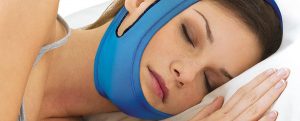
If you sleep on your side and breathe through your mouth, you’ve probably already learned that most CPAP masks weren’t designed with you in mind. The mask shifts when you turn over. Air leaks out near your cheek and blows across your pillow. You wake up with a dry mouth, a sore throat, or a red mark across your face that takes an hour to fade.
None of that means you’re doing something wrong. It means you’re likely using a mask that wasn’t built for your sleep position or your breathing pattern.
This guide compares the best full face, hybrid, and nasal-style CPAP masks for side sleepers who breathe through their mouth, with a focus on seal quality, comfort, and how well each mask holds up when you turn onto your side. We’ll also cover the accessories and setup changes that make the biggest difference in practice.
Quick Answer: What Is the Best CPAP Mask for Side Sleeper Mouth Breathers?
If you want the short version before diving into details, here’s how the top picks break down:
- Best overall: ResMed AirFit F30i — a hybrid full face mask with a top-of-head hose connection, built for side sleepers who breathe through their mouth.
- Best budget option: Fisher & Paykel Vitera — a flexible cushion that adapts to side-sleeping movement without the higher price tag of some hybrid designs.
- Best for stomach and combination sleepers: Philips Respironics DreamWear Full Face — a low-profile frame that keeps the hose and hardware off your cheeks.
- Best ResMed option: ResMed AirFit F20 — a traditional full face seal that handles higher pressure settings well.
- Most comfortable option: ResMed AirTouch F20 — memory foam cushion designed to reduce pressure marks, especially helpful if you have sensitive skin or facial hair.
Each of these is explained in more detail below, including who benefits most from each one and where each falls short.
Comparison Table: Best CPAP Masks for Side Sleeping Mouth Breathers
| Mask Name | Mask Type | Best For | Side Sleeper Rating | Mouth Breather Friendly | Cushion Material | Price Range | CTA |
|---|---|---|---|---|---|---|---|
| ResMed AirFit F30i | Hybrid full face | Active side sleepers | 5/5 | Yes | Silicone | $$$ | Check Price |
| Fisher & Paykel Evora Full | Compact full face | Claustrophobia relief | 4.5/5 | Yes | Silicone | $$ | Check Price |
| ResMed AirFit F20 | Traditional full face | High pressure therapy | 4/5 | Yes | Silicone | $$ | Check Price |
| ResMed AirTouch F20 | Full face, memory foam | Sensitive skin, beards | 4.5/5 | Yes | Memory foam | $$$ | Check Price |
| Philips DreamWear Full Face | Hybrid full face | Stomach/combo sleepers | 4/5 | Yes | Silicone | $$$ | Check Price |
| Fisher & Paykel Vitera | Full face | Budget-conscious buyers | 4.5/5 | Yes | Silicone (RollFit) | $$ | Check Price |
Prices change often, so it’s worth checking current pricing before you decide.
Top 6 Best CPAP Masks for Side Sleeper Mouth Breathers
A note before the list: most of these picks are full face or hybrid full face masks. That’s intentional. If you breathe through your mouth, a nasal mask alone won’t seal your airway, and even nasal pillow masks paired with a chin strap tend to underperform for full-time mouth breathers, especially at higher pressures. We’ll explain why later in this guide. For now, here are the models worth considering.
1. Best Overall: ResMed AirFit F30i
ResMed AirFit F30i
A hybrid full face mask with a top-of-head hose connection, built for side sleepers who breathe through their mouth.
Why It Works
The AirFit F30i connects the hose at the top of the head instead of the front of the face. That single design choice solves a lot of side-sleeping problems at once: there’s no tube hanging off your chin to catch on the pillow, and the under-the-nose cushion sits below the bridge of your nose instead of pressing against it. For side sleepers who breathe through their mouth, this combination tends to hold a seal better than masks with a front-mounted hose.
Pros
- Top-of-head hose stays out of the way when you turn
- Under-the-nose seal avoids pressure on the nose bridge
- Wide field of view compared with bulkier full face designs
Cons
- Some users need a few nights to adjust to the hose position
- Costs more than entry-level full face masks
Best For
Side sleepers who move around during the night and want a mask that stays put without constant readjustment.
2. Best Traditional Full Face Option: Fisher & Paykel Evora Full or ResMed AirFit F20
If a hybrid design isn’t available or doesn’t fit your face shape, these two traditional full face masks are worth considering.
Leak Performance for Side Sleeping
The Fisher & Paykel Evora uses a compact frame with a smaller footprint than older full face masks, which reduces the surface area that can get pressed out of position when you’re on your side. The ResMed AirFit F20 uses a more traditional seal shape but is known for holding up well even at higher pressure settings, which matters if your prescription is on the higher end.
Cushion Comfort
Both use silicone cushions that flex with movement rather than a rigid frame that fights against your pillow.
Who Should Avoid It
If you’ve felt claustrophobic with full face masks before, the Evora’s smaller profile is usually the easier one to adjust to. The AirFit F20 has a slightly larger footprint, so it may not be the first choice for anyone who struggles with the feeling of a full face mask.
Fisher & Paykel Evora Full
Compact full face mask for claustrophobia relief and side sleeping.
ResMed AirFit F20
Traditional full face seal that handles higher pressure settings well.
3. Most Comfortable Option: ResMed AirTouch F20
ResMed AirTouch F20
Memory foam cushion designed to reduce pressure marks, especially helpful if you have sensitive skin or facial hair.
Softest Cushion Design
Instead of a silicone cushion, the AirTouch F20 uses a memory foam cushion covered in a thin fabric layer. It molds to your face rather than pressing back against it, which tends to reduce the red marks and pressure points that show up after a full night on your side.
Quietness and Airflow
Foam cushions can run slightly warmer against the skin than silicone, so if you tend to sleep hot, this is worth factoring in. In practice, most users find the trade-off worthwhile for the comfort gain.
Ideal Sleep Positions
This is one of the better options if you have facial hair. Side sleeping pushes a beard or mustache against the cushion edge, and silicone cushions often can’t compensate, which causes small leaks along the seal line. A memory foam cushion conforms around facial hair more effectively than silicone, which is one reason it’s worth considering if this has been a recurring issue for you.
4. Best ResMed Option for Side Sleepers: ResMed AirFit F30i
The AirFit F30i earns a second mention here because it’s also ResMed’s strongest side-sleeping design. Its hollow frame lets air continue to flow through the mask structure even if one side gets partially compressed into the pillow, which is a common failure point with bulkier frames.
Magnetic Clips and Fit
Magnetic clips on the headgear make it easier to put on and take off without fully readjusting the straps, which matters if you get up during the night.
Side Sleeping Performance
Between the top-of-head hose and the hollow frame, this mask is designed around side sleeping rather than adapted to it after the fact.
5. Best ResMed Option for Mouth Breathers: ResMed AirFit F20
Full Face vs. Hybrid Design
The AirFit F20 uses a traditional full face seal rather than the under-the-nose hybrid style. For some mouth breathers, especially those with wider jaw movement during sleep, a traditional full face seal actually holds up better because it isn’t relying on a smaller cushion footprint to contain the air.
Comfort During High Pressure Therapy
If your prescribed pressure is above 12 cm H2O, this is a detail worth paying attention to. Higher pressures can push minimal-contact hybrid masks away from the face slightly when they’re compressed into a pillow, which can cause the seal to blow out. The AirFit F20’s more traditional design tends to tolerate high pressure without that issue.
Dry Mouth Prevention
No mask fully prevents dry mouth on its own, but a secure full face seal reduces the amount of unhumidified air escaping near your lips, which is one contributor to a dry mouth and sore throat in the morning.
6. Best for Stomach and Combination Sleepers: Philips Respironics DreamWear Full Face
Philips Respironics DreamWear Full Face
Low-profile frame that keeps the hose and hardware off your cheeks.
Low-Profile Design Benefits
The DreamWear Full Face uses a frame that sits below the eyes and keeps the cushion under the nose, similar in spirit to the AirFit F30i. The overall profile is low enough that it works well for people who shift between their side and stomach during the night.
Hose Placement for Stomach Sleepers
Like the F30i, the hose connects at the top of the head, which keeps it away from the mattress when you’re face-down or on your side.
Pressure Point Reduction
Because the frame doesn’t rest heavily on the cheeks, there’s less direct pressure on the areas that tend to get sore first.
Budget Pick: Fisher & Paykel Vitera
Worth mentioning separately if price is your main constraint. The Vitera uses a flexible “RollFit” cushion engineered to move with the face rather than resist it, which helps it adapt to side-sleeping without leaking as much as older budget masks tend to. It doesn’t have the top-of-head hose that the F30i or DreamWear offer, so it’s not quite as side-sleeper-optimized as those two, but for many sleepers it’s a reasonable middle ground between cost and performance.
Fisher & Paykel Vitera
Solid side-sleeping performance without the higher price tag of hybrid options.
How to Choose the Best CPAP Mask for Side Sleeping Mouth Breathers
Choose the Right Mask Type
Full face masks cover the nose and mouth, which makes them the most reliable option if you breathe through your mouth during sleep, especially at higher pressures.
Hybrid masks (like the AirFit F30i and DreamWear Full Face) also cover the nose and mouth but use a smaller under-the-nose cushion and a top-of-head hose. For side sleepers, this design usually causes fewer leaks because there’s less rigid material pressing against the pillow.
Nasal masks with chin straps are sometimes suggested for mouth breathers, but there’s a real limitation here worth understanding before you buy one. A chin strap holds your jaw closed, but it doesn’t seal your mouth the way a full face mask does. If you’re a consistent mouth breather, especially at higher pressures, air can still escape past your lips even with a chin strap on, and many people find chin straps uncomfortable against the jaw joint overnight. Nasal masks with chin straps are worth considering only if you’ve tried full face or hybrid masks and found them too claustrophobic — treat this as a fallback option rather than a first choice.
Nasal pillow masks work well for nose breathers but generally aren’t a good fit for mouth breathers on their own, for the same reason as nasal masks.
If you’re choosing between a CPAP mask for side sleepers and mouth breathers, the practical starting point is a full face or hybrid full face design. A nasal mask paired with a chin strap can work for some people, but it’s the exception rather than the rule.
Look for Minimal Side Contact
Bulky mask frames create more opportunities for leaks because there’s more surface area that can get pressed out of alignment when your head is on the pillow. Look for masks with flexible cushions and hollow-frame designs that let air move through the structure rather than relying on the frame sitting in exactly the right spot all night.
Consider Hose Placement
Front hose designs route the tube from the mask outward, which means it often ends up caught under your arm, tangled in the pillow, or pulling the mask slightly out of position when you turn.
Top-of-head hose designs route the tube up and over, keeping it clear of the pillow and your shoulder. For active sleepers, this small design difference tends to reduce mid-night mask adjustments significantly.
Pay Attention to Cushion Material
Silicone cushions are the most common material. They’re durable, easy to clean, and work well for most face shapes, but they don’t conform as well around facial hair or uneven pressure points.
Memory foam cushions, like the one on the AirTouch F20, mold around the contours of your face, including facial hair, which can reduce micro-leaks for sleepers with beards or mustaches. The trade-off is that foam cushions typically need to be replaced more often and can feel slightly warmer against the skin.
Don’t Overlook Your Pillow
The mask is only half the equation. Side sleepers need medium-to-firm support to keep the neck aligned, but a standard firm pillow pressing directly into a CPAP mask can break the seal just as easily as a poor mask fit can. A CPAP pillow with side cutouts gives the mask room to sit naturally instead of getting crushed into a flat pillow surface. If you’re pairing a new mask with an old, unsupportive pillow, you may still end up with leaks even if the mask itself is a good fit.
Facial Hair and Seal Quality
This is worth calling out on its own, since it’s a common source of frustration that doesn’t get discussed enough. Side sleeping pushes a beard or mustache directly against the mask cushion at the exact spot where the seal needs to hold. Silicone cushions generally struggle here because they don’t have much give. Memory foam cushions, like the ResMed AirTouch series, handle this better because the foam settles into the gaps around facial hair instead of bridging over them. If you have facial hair and have struggled with leaks, this is one of the more overlooked fixes worth trying before assuming you need a completely different mask type.
Match the Mask to Your Pressure Setting
If your CPAP or APAP pressure is on the higher end (generally above 12 cm H2O), it’s worth thinking about how that pressure interacts with your mask choice. Minimal-contact hybrid masks are excellent for reducing bulk, but higher pressure can occasionally push a lightweight seal away from the face when it’s compressed into a pillow, causing air to blow out along the edge. Traditional full face designs, like the AirFit F20 or Evora Full, tend to tolerate higher pressure more reliably because more of the seal surface is in contact with the face. If you’ve had a hybrid mask blow out at night and you’re on a higher pressure setting, this is often the reason.
Full Face vs. Hybrid CPAP Masks for Side Sleepers
Both mask types can work well for side sleepers who breathe through their mouth, but they solve the problem in different ways.
| Factor | Full Face | Hybrid Full Face |
|---|---|---|
| Seal quality | Strong, especially at high pressure | Strong at moderate pressure |
| Comfort | Good, more surface contact | Often more comfortable, less bulk |
| Claustrophobia | Can feel more enclosed | Smaller footprint, less enclosed feeling |
| Stability on side | Depends on frame design | Generally more stable due to top hose |
| Air leaks | Fewer at high pressure | Fewer at moderate pressure with good hose routing |
| Facial pressure | More contact points | Fewer contact points, especially on nose bridge |
In practice, if your priority is stability while moving around at night, a hybrid design with a top-of-head hose is usually the better cpap mask for side sleeping mouth breathers. If your priority is a dependable seal at a higher pressure setting, a traditional full face mask is often the safer choice. There isn’t a single best cpap mask for mouth breathing side sleepers that works for everyone — it depends on your pressure setting, face shape, and whether facial hair is a factor.
Common Problems Side Sleeper Mouth Breathers Face with CPAP
CPAP Mask Leaks on the Pillow
Cause: Usually a combination of a rigid frame pressing into the pillow and headgear that’s either too loose or overtightened.
Solution: Loosen the headgear slightly rather than cranking it tighter — an overtightened mask often leaks more, not less, because it distorts the cushion shape. A hollow-frame or hybrid mask with a top-of-head hose also reduces this problem directly.
Dry Mouth and Sore Throat
Cause: Air escaping around the mouth, combined with dry, unhumidified air moving across the tissue in your throat.
Solution: A secure full face or hybrid seal reduces the amount of air escaping. Pairing that with a heated humidifier setting, if your machine has one, can noticeably reduce morning dryness.
Red Marks and Pressure Sores
Cause: A cushion that’s pressed too hard against one side of the face for hours at a time, often made worse by an unsupportive pillow.
Solution: A memory foam cushion, a properly adjusted headgear fit, and a CPAP-friendly pillow with cutouts for the mask all help distribute pressure more evenly.
Claustrophobic Full Face Masks
Cause: Some full face designs have a large frame that sits close to the eyes and cheeks, which can feel confining, especially for new CPAP users.
Solution: A compact full face mask, like the Fisher & Paykel Evora, or a hybrid design with a smaller footprint, tends to feel less enclosed.
Mask Shifting During the Night
Cause: Front-mounted hoses catching on the pillow or bedding when you turn over.
Solution: A top-of-head hose routing design keeps the tube out of the way, which is one of the main reasons hybrid masks tend to perform better for restless side sleepers.
Best CPAP Accessories for Side Sleepers
CPAP Pillows
A pillow with side cutouts, like the Contour Products CPAPMax Pillow 2.0, gives your mask room to sit naturally instead of pressing into a standard pillow surface. This is one of the simplest changes that can meaningfully reduce leaks for side sleepers.
Hose Holders
A hose lift or holder, such as the North American Health + Wellness Hose Holder, keeps the tube suspended above the bed instead of dragging across it. That reduces the pull on your mask each time you turn over.
Mask Liners
Fabric liners, like RemZzzs Cloth Mask Liners, sit between your skin and the silicone cushion. They absorb facial oils, which can help reduce the squeaking and micro-leaks that sometimes develop as a silicone cushion ages.
Chin Straps for Mouth Breathers
If you’ve decided a nasal mask is your best option despite being a mouth breather, a chin strap that pulls upward from the jaw rather than backward, like the Knightsbridge Dual Band Chin Strap, tends to be more comfortable and puts less strain on the jaw joint overnight. As mentioned earlier, treat this as a secondary option rather than your first line of defense against leaks.
How to Prevent CPAP Leaks While Sleeping on Your Side
Adjust Headgear Correctly
Straps should feel snug, not tight. If you can see deep red marks or indentations right after removing the mask, it’s usually overtightened.
Replace Worn Cushions Regularly
Silicone cushions lose their shape over months of use. A cushion that’s lost its flexibility won’t seal as well no matter how well the headgear is adjusted.
Use the Right Pillow
Medium-to-firm support with enough give near the mask area makes a bigger difference than most people expect.
Try a CPAP Pillow Cutout
A cutout gives the mask a place to sit without being crushed, which is often the single most effective fix for pillow-related leaks.
Expert Tips for Sleeping Comfortably with a CPAP Mask
- Sleeping positions that reduce leaks: A slightly reclined side position, rather than lying flat on your side, can reduce the amount of direct pressure on the mask.
- How tight the mask should feel: Snug enough to seal, loose enough that you could slide two fingers under the strap without much resistance.
- Humidifier settings for dry mouth: Increasing the heated humidifier setting by one or two levels often helps with mouth dryness, especially in colder or drier climates.
- Cleaning routine for better seal performance: Washing the cushion daily with mild soap and water helps remove facial oils that can degrade the seal over time.
Frequently Asked Questions
What is the best CPAP mask for side sleeper mouth breathers?
Based on our evaluation, the ResMed AirFit F30i is one of the strongest overall options because of its top-of-head hose and under-the-nose seal, though the right choice depends on your pressure setting and face shape.
Are full face CPAP masks better for mouth breathers?
In most cases, yes. Full face and hybrid full face masks cover both the nose and mouth, which is important if you breathe through your mouth during sleep. Nasal masks paired with chin straps can work for some people but are generally less reliable for full-time mouth breathers.
Can side sleepers use nasal pillow masks?
Side sleepers can use nasal pillow masks if they’re primarily nose breathers, since the low profile works well against a pillow. For mouth breathers, though, a nasal pillow mask alone typically isn’t enough to prevent air from escaping through the mouth.
What CPAP mask leaks the least for side sleepers?
Masks with a top-of-head hose and a hollow or minimal-contact frame, like the ResMed AirFit F30i or Philips DreamWear Full Face, tend to leak less for side sleepers because there’s less rigid material pressing into the pillow.
What is the most comfortable CPAP mask for side sleepers?
The ResMed AirTouch F20 is worth considering if comfort and pressure-mark reduction are your top priorities, thanks to its memory foam cushion.
Do CPAP pillows really help with mask leaks?
For many sleepers, yes. A pillow with cutouts gives the mask room instead of compressing it into a flat surface, which directly reduces leaks caused by pillow pressure.
Is a hybrid CPAP mask good for mouth breathers?
Hybrid full face masks work well for mouth breathers as long as your pressure setting isn’t unusually high. At higher pressures, a traditional full face seal may hold up more reliably.
Final Verdict: Which CPAP Mask Should You Choose?
If you move around a lot at night and want a mask that stays put, the ResMed AirFit F30i is one of the strongest all-around options for side sleeping mouth breathers. If you’re on a higher pressure setting, the ResMed AirFit F20 is worth considering for its dependable seal. If pressure marks and facial hair have been an ongoing issue, the ResMed AirTouch F20‘s memory foam cushion is worth a closer look. And if budget is the deciding factor, the Fisher & Paykel Vitera offers solid side-sleeping performance without the higher price tag of the hybrid options.
There’s no single mask that works for everyone, since face shape, pressure setting, and sleep habits all play a role. Fit and seal quality matter more than appearance, so it’s worth prioritizing those over how sleek a mask looks in photos. If one of these options matches your sleep style and pressure needs, it’s worth comparing current prices and availability before deciding.
Ready to Find Your Best Fit?
Compare current prices and availability for the top picks in this guide.