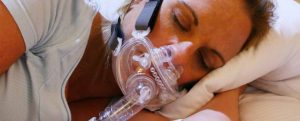
If you’ve ever woken up with a mask hissing air into your eyes, you already know the problem. Facial hair and CPAP masks don’t naturally get along. The seal that works fine on smooth skin can turn into a nightly leak fest once a beard gets involved.
This isn’t a small annoyance. Leaks dry out your eyes, wake up a partner, and can quietly undo the benefit of your therapy altogether. If your machine can’t hold pressure, it can’t treat your sleep apnea the way it’s supposed to.
The good news: this is a solved problem, just not with a one-size-fits-all mask. Some designs are built to work with a beard instead of against it, and the right choice depends on things like your beard length, whether you breathe through your mouth at night, and whether you sleep on your side.
In this guide, we’ll walk through why standard masks struggle with facial hair, and which masks tend to hold a seal for side sleepers, mouth breathers, and full face mask users. We’ll also cover a few things most CPAP guides skip, like how beard oil can quietly wreck a silicone cushion, and why hose placement matters as much as the mask itself.
Let’s start with a quick side-by-side look at the top picks, then get into the details.
Quick Verdict: Best CPAP Masks for Bearded Men
If you’re short on time, here’s the bottom line: The ResMed AirTouch F20 is the best overall choice for most bearded men because its memory foam cushion seals around facial hair instead of over it. If you have a full, thick beard and breathe through your nose, the ResMed AirFit P10 nasal pillow mask bypasses the beard entirely for a superior seal. For side sleepers, the top-of-head hose on the ResMed AirFit N30i prevents pillow drag.
Our Top Pick for Most Men:
| Mask | Best For | Mask Type | Beard Compatibility | Side Sleeper Friendly | Mouth Breather Friendly | CTA |
|---|---|---|---|---|---|---|
| ResMed AirTouch F20 | Best Overall Full Face | Full Face (Memory Foam) | Short to thick beards | Yes | Yes | Check Price |
| ResMed AirFit P10 | Best for Full/Thick Beards | Nasal Pillow | Any beard length | Yes | No (nasal breathers only) | Check Price |
| ResMed AirFit N30i | Best for Side Sleepers | Nasal Cradle | Short to medium beards | Yes | No | View Product |
| Philips DreamWear Full Face | Best Top-Hose Full Face | Hybrid Full Face | Short to medium beards | Yes | Yes | View Product |
| Fisher & Paykel Evora Full | Best Low-Profile Full Face | Hybrid Full Face | Short to thick beards | Yes | Yes | View Product |
| Fisher & Paykel Vitera | Best Budget Full Face | Full Face (Silicone/Foam) | Short beards | Moderate | Yes | View Product |
| Bleep Eclipse | Best No-Headgear Option | Nasal (Adhesive) | Any beard length | Yes | No | View Product |
A quick note before you scroll further: none of these masks are “best for everyone.” A mask that works well for a thick beard and mouth breathing usually isn’t the same mask that works best for a short beard and side sleeping. The sections below break this down by situation so you can match a mask to your own setup.
- Quick Verdict: Best CPAP Masks for Bearded Men
- Why CPAP Masks Leak More With Beards
- Best CPAP Mask for Beards Overall
- Best Full Face CPAP Mask for Beards
- Best CPAP Mask for Beards and Mouth Breathers
- Best CPAP Mask for Beards and Side Sleepers
- Most Comfortable CPAP Mask for Beards
- Nasal Pillows vs. Full Face Masks for Bearded Men
- Beard Length and Mask Type: A Quick Matchup
- CPAP Beard Sealant: Does It Actually Work?
- Tips to Stop CPAP Leaks With a Beard
- Best CPAP Machine for Beards — Does the Machine Matter?
- How to Choose the Best CPAP Mask for a Beard
- Frequently Asked Questions
- Final Thoughts
Why CPAP Masks Leak More With Beards
Most CPAP cushions are made from silicone. Silicone works by forming something close to a suction seal against smooth, flat skin. That’s the whole design.
A beard breaks that seal. Individual hairs create tiny gaps that air can escape through, even if the mask looks like it’s sitting correctly. The longer or coarser the beard, the more of these micro-gaps there are.
Silicone vs. memory foam: why this matters more than most guides mention
This is the part a lot of CPAP articles skip, but it’s probably the single biggest factor in whether your mask leaks.
Silicone tries to seal over your beard. It’s rigid enough that it can’t really get in between the hairs, so it bridges across them instead, and air finds its way through the gaps.
Memory foam works differently. It’s soft enough to slowly compress and mold around individual hairs rather than bridging over them. That’s why foam cushions, like the one used in the ResMed AirTouch F20, tend to hold a seal noticeably better for bearded users than a standard silicone mask does.
There’s a trade-off, though. Memory foam usually needs to be replaced more often than silicone, and it can feel warmer against the skin since it doesn’t breathe as well. For many bearded sleepers, that trade-off is worth it if it means fewer leaks.
Other reasons beards cause leaks
- Facial hair density. A full, thick beard has more surface area for air to escape through than stubble or a mustache.
- Beard oils and balms. Grooming products can affect how well a cushion seals, and some of them are hard on the mask material itself. More on this below.
- Side sleeping pressure. Pushing your face into a pillow shifts the mask off center, which can pull the seal away from the beard line.
- Mask style. Full face masks have more seal area in contact with a beard than nasal pillows do, which is why some styles handle facial hair better than others.
If you’re also dealing with a dry mouth from mouth breathing, or you’re comparing nasal pillow options more broadly, our CPAP dry mouth guide and nasal pillow comparison go into more detail on those topics specifically.
Best CPAP Mask for Beards Overall
ResMed AirTouch F20
What problem does this solve? Air leaks caused by a silicone mask trying to seal over facial hair instead of around it.
Who is it best for? Bearded men with short to thick beards who want one mask that works whether they breathe through their nose or mouth.
What makes it different? The AirTouch F20 uses a memory foam cushion instead of silicone. Instead of pressing down on your beard, the foam settles around individual hairs, which in most cases means a tighter seal without needing to crank the headgear straps down hard.
Strengths
- Memory foam cushion conforms around beard hair instead of fighting it
- Works for both nose and mouth breathers
- Lower strap tension needed for a good seal, which helps with comfort over a full night
Limitations
- Foam cushions wear out faster than silicone and typically need replacing every couple of weeks
- Runs warmer against the skin than silicone
- Higher price point than basic full face masks
Ideal beard length: Short to full beards. Very thick, wiry beards may still see some leak, though less than with silicone.
Is it worth the price? If mask leaks have been a recurring problem, the AirTouch F20 is one of the strongest options to consider. The foam cushions add an ongoing cost, but for many bearded users, that’s a reasonable trade for consistent pressure through the night.
Who should skip it? If you’re a strict nose breather with a full beard, a nasal pillow mask like the AirFit P10 below may seal better and cost less over time.
Best Full Face CPAP Mask for Beards
Full face masks are the hardest style to seal against a beard, simply because they cover more of the face. That means more beard hair sitting under the cushion, and more chances for a gap to form.
Flexible, adaptive cushions matter more here than in any other mask type. A rigid silicone edge on a full face mask tends to leak in exactly the spots where a beard is thickest, usually along the jaw and upper lip.
Best Full Face Option: ResMed AirTouch F20
Covered in detail above. The memory foam cushion is the main reason this mask tends to outperform standard silicone full face masks for bearded users.
Best Low-Profile Full Face Option: Fisher & Paykel Evora Full
The Evora Full uses an under-the-nose design that leaves the bridge of the nose open, which reduces how much of the mask actually touches your beard. Less beard contact generally means fewer leak points.
Pros
- Under-nose design reduces beard contact area
- Wide field of vision, useful if you read or watch TV before falling asleep
- RollFit seal design adjusts as you move at night
Cons
- Some users find the under-nose cushion less secure at higher pressure settings
- Not as widely available as ResMed models
Who benefits most: Side sleepers with short to medium beards who want a full face mask without a strap running directly across a thick jawline.
Best Budget Option: Fisher & Paykel Vitera
Pros
- Lower price point than most full face masks on this list
- InfinitySeal cushion adapts reasonably well to different face shapes
- Magnetic clips make it easy to put on and remove
Cons
- Standard silicone cushion, so it won’t handle a thick beard as well as foam options
- Seal quality drops off more noticeably with heavier facial hair
Who benefits most: Bearded users with shorter beards who want a solid full face mask without paying for memory foam.
Best CPAP Mask for Beards and Mouth Breathers
If you breathe through your mouth at night, a nasal-only mask usually isn’t going to work well, beard or no beard. Air pressure needs somewhere to go, and if your mouth falls open, a nasal mask alone can’t compensate.
For mouth breathers, the choice generally comes down to a full face mask, a hybrid design, or a nasal mask paired with a chin strap.
Full face masks cover both the nose and mouth, so air pressure stays consistent no matter how you breathe. This is usually the simplest fix for mouth breathing, and it’s why most of the masks in the “full face” sections above are also solid mouth breather options.
Chin straps with nasal masks can work, but in practice they add another strap running across your beard line, which can introduce its own leak points and irritation. For most bearded mouth breathers, a full face or hybrid mask tends to be less hassle than adding a chin strap.
Recommended Masks for Mouth Breathers
- Best overall: ResMed AirTouch F20 — foam cushion seals well even with the mouth open
- Quietest: Fisher & Paykel Evora Full — vent design is noticeably quieter than older full face models
- Best for higher pressure settings: Philips DreamWear Full Face — under-nose cushion holds up well at higher pressures
- Most comfortable: Fisher & Paykel Evora Full — lighter frame reduces facial pressure over a full night
Can mouth breathers use nasal CPAP masks with a beard? In most cases, no, not reliably. Nasal pillow and nasal cradle masks are designed around consistent nasal breathing. If your mouth opens during the night, pressure escapes and the therapy becomes less effective, regardless of how well the mask seals against your beard.
Best CPAP Mask for Beards and Side Sleepers
Side sleeping creates a different set of problems than beard hair alone. Pillow pressure can push the mask off-center, and a hose hanging off the front of the mask can drag every time you shift position.
Hose placement matters more than most guides mention
This is one of the more overlooked factors for bearded side sleepers. A front-mounted hose, the kind that hangs off the middle of your face, catches on the pillow every time you roll over. Each tug pulls the mask frame slightly away from your beard line, which reopens a seal that was otherwise fine.
Top-of-head hose designs solve this. Masks like the ResMed AirFit N30i and Philips DreamWear route the tubing up over the top of the head instead of out the front, so the hose stays clear of the pillow entirely.
Best Low-Profile Mask: ResMed AirFit N30i
Pros
- Small nasal cradle sits at the base of the nose, minimizing beard contact
- Top-of-head hose swivel avoids pillow drag
- Lightweight design, good for stomach and side sleepers alike
Cons
- Nasal-only, so it’s not a fit for mouth breathers
- Beard hair near the nostrils can still cause minor leaks for very full beards
Best Nasal Pillow Option: ResMed AirFit P10
Pros
- Seals directly at the nostril openings, which mostly bypasses the beard altogether
- One of the lightest masks available, which helps with side sleeping comfort
- Minimal headgear, less strap contact with facial hair
Cons
- Not suitable for mouth breathers
- Some users find the nasal pillow inserts less comfortable at first than a cushion-style mask
Best Hybrid Design: Philips DreamWear Full Face
Pros
- Under-the-nose seal keeps the cushion contact area smaller than a traditional full face mask
- Top-of-head tube connection avoids the hose-drag problem entirely
- Works for mouth breathers, unlike the nasal-only options above
Cons
- Bulkier frame than nasal pillow masks
- Higher price point
Who benefits most: Side sleepers with short to medium beards who need mouth breathing support and don’t want to deal with a front-mounted hose catching on the pillow.
If you’re also dealing with hose drag more generally, or you’re looking for a pillow that gives your mask room to move without pressing into your face, our CPAP pillow guide covers that in more depth.
Most Comfortable CPAP Mask for Beards
Comfort and seal quality aren’t always the same thing. A mask can hold a great seal and still feel uncomfortable after a few hours, especially with a beard adding extra friction against the cushion.
Factors that affect comfort with a beard
- Silicone vs. memory foam. Foam conforms better but runs warmer. Silicone stays cooler but needs tighter strap tension to seal, which can dig into a beard line.
- Headgear pressure. Masks that need less strap tension to seal are generally more comfortable for bearded users, since less pressure is being applied directly over facial hair.
- Weight. Lighter masks, particularly nasal pillow designs, put less overall pressure on the face.
- Heat retention. Full face masks and memory foam cushions tend to trap more heat than nasal pillows.
- Facial irritation. Beard hair rubbing against a cushion edge for hours can cause irritation, especially with rigid silicone.
Comfort Comparison
| Mask | Weight | Heat Retention | Strap Tension Needed | Overall Comfort for Beards |
|---|---|---|---|---|
| ResMed AirFit P10 | Very Light | Low | Low | High |
| ResMed AirFit N30i | Light | Low | Low | High |
| ResMed AirTouch F20 | Moderate | Moderate-High | Low | Moderate-High |
| Fisher & Paykel Evora Full | Moderate | Moderate | Low | High |
| Philips DreamWear Full Face | Moderate | Moderate | Moderate | Moderate |
| Fisher & Paykel Vitera | Moderate | Moderate | Moderate-High | Moderate |
| Bleep Eclipse | Very Light | Low | None (adhesive) | High (for nasal-only users) |
Based on our evaluation, nasal pillow masks tend to score highest for comfort simply because there’s less mask material in contact with the beard overall. The trade-off is that they only work well for consistent nose breathers.
Nasal Pillows vs. Full Face Masks for Bearded Men
This is one of the more common questions bearded CPAP users run into, and the honest answer is that it depends on how you breathe and how thick your beard is.
| Factor | Nasal Pillows | Full Face Masks |
|---|---|---|
| Seal quality on beards | High (bypasses beard hair) | Moderate to high, depends on cushion type |
| Comfort | Generally higher, less material on face | Moderate, more surface contact |
| Mouth breathing support | No | Yes |
| Leak prevention | Strong for nasal-only breathers | Strong with foam cushions, moderate with silicone |
| Side sleeping performance | Strong, especially with top-of-head hose | Good, particularly with under-nose designs |
Verdict by beard type
- Best for heavy beards: Nasal pillows (ResMed AirFit P10), since they avoid the beard almost entirely. If you’re a mouth breather with a heavy beard, the ResMed AirTouch F20 is a better fit.
- Best for short beards: Full face masks with foam or hybrid cushions, like the AirTouch F20 or Evora Full, since there’s less beard hair for the seal to fight against.
- Best for mustaches only: Nasal pillows or nasal cradle masks, since a mustache mainly affects upper-lip seal, which those styles avoid.
Beard Length and Mask Type: A Quick Matchup
Not every beard creates the same leak pattern. Where your facial hair is thickest usually determines which mask style will work best.
| Beard Type | Main Leak Zone | Best Mask Match |
|---|---|---|
| Stubble/Scruff | Minor gaps along jaw and upper lip | Memory foam full face or nasal cradle |
| Full/Thick Beard | Jawline, cheeks, chin | Nasal pillows (bypasses beard) or memory foam full face |
| Goatee/Mustache | Upper lip and chin | Nasal pillow or nasal cradle (avoids upper lip drag) |
If you’re mostly dealing with stubble, you likely have more flexibility, since most mask types will work reasonably well. Thicker beards benefit the most from nasal pillow designs precisely because they skip the beard area rather than trying to seal over it.
CPAP Beard Sealant: Does It Actually Work?
CPAP beard sealants are products designed to fill the gaps a beard creates under a mask cushion, usually in the form of a gel, balm, or thin liner placed between the mask and the skin.
Common types
- Mask liners — thin fabric or silicone barriers that sit between the cushion and your face, smoothing out the surface a beard would otherwise disrupt.
- Beard-friendly gels — designed to temporarily flatten hair without leaving residue that could damage the mask.
- Lanolin-based seal enhancers — a thicker option, often marketed for extreme leak cases.
Pros and drawbacks
Pros
- Can noticeably reduce leaks for stubble or short beards
- Liners are reusable and relatively inexpensive
- Useful as a short-term fix while waiting on a new mask
Drawbacks
- Gels and balms can degrade silicone cushions over time, similar to beard oil
- Not a reliable fix for thick or coarse beards
- Adds a step to your nightly routine, which some users find inconvenient long-term
Who should try sealants? Stubble or short-beard users dealing with minor leaks, especially if switching masks isn’t an option right now.
When do sealants fail? With thick, coarse beards. In those cases, a liner or gel usually can’t fill enough of the gap to matter.
A better alternative in most cases: Switching to a nasal pillow mask or a memory foam full face mask tends to solve the problem at the source, rather than working around it night after night.
Tips to Stop CPAP Leaks With a Beard
- Trim strategically instead of shaving completely. You don’t need to shave your beard off. Trimming the area directly under the mask seal, even by a small amount, can meaningfully improve contact.
- Wash your beard before bed. Oil and product buildup during the day can affect how well a cushion seals by nighttime.
- Use mask liners. A thin liner can smooth out the surface the cushion presses against, similar to a beard sealant.
- Adjust strap tension correctly. Tighter isn’t always better. Overtightening can distort the cushion shape and create new leak points rather than fixing existing ones.
- Try memory foam cushions. As covered earlier, foam handles beard hair better than standard silicone in most cases.
- Switch sleeping position, if you can. Leaks are often worse on your side than on your back, simply due to pillow pressure.
- Use a CPAP pillow. A CPAP pillow has cutouts that give your mask extra space. Instead of pushing the mask into your face, the pillow supports your head while reducing pressure on the mask, which often means fewer leaks overall.
Best CPAP Machine for Beards — Does the Machine Matter?
The mask matters more than the machine when it comes to beard-related leaks. No amount of machine technology can fully compensate for a cushion that isn’t sealing correctly.
That said, some CPAP machines handle leaks better than others while you work on getting the mask fit right:
- Pressure relief features can make small leaks less noticeable by softening pressure changes.
- Auto-adjusting airflow helps the machine respond to leaks in real time rather than holding a fixed pressure regardless of seal quality.
- Leak compensation algorithms actively adjust output to help offset air escaping around the mask.
Recommended CPAP Machines
- Best Auto CPAP: ResMed AirSense 11 — strong leak compensation and widely compatible with the masks listed above
- Quietest machine: Philips DreamStation 2 — noticeably quieter operation, useful if leaks are already adding noise
- Best for high leak compensation: ResMed AirSense 11 with AutoSet — adjusts pressure dynamically as leaks fluctuate through the night
Worth keeping in mind: none of these machines will fix a mask that fundamentally doesn’t fit your beard. Getting the mask right should come first.
How to Choose the Best CPAP Mask for a Beard
Buying Guide
A few questions worth answering honestly before you buy:
- How thick is your beard? Thicker beards generally do better with nasal pillows or memory foam.
- What’s your sleep position? Side sleepers benefit from top-of-head hose designs and lower-profile cushions.
- What pressure settings are you on? Higher pressures tend to expose weak seals faster, so a foam or hybrid cushion is often worth the extra cost.
- Do you breathe through your mouth? If so, a full face or hybrid mask is worth prioritizing over a nasal-only design.
- What’s your noise sensitivity? Vent design varies by mask, and some full face options run quieter than others.
- Do you use beard oil or balm regularly? If so, factor in cushion material and plan to clean the seal area before bed.
Quick Recommendation Matrix
| If You Have… | Choose… |
|---|---|
| Thick beard | Hybrid or full face mask with memory foam |
| Mustache only | Nasal cushion or nasal cradle |
| Side sleeping habit | Top-of-head hose design |
| High pressure settings | Full face mask |
| Beard oil routine | Foam cushion, cleaned nightly |
Get Your CPAP Comfort Checklist
Struggling with mask leaks, discomfort, or dry mouth? Download our free checklist to troubleshoot your CPAP setup and get better sleep tonight.
We respect your privacy. Unsubscribe at any time.
Frequently Asked Questions
Can you use a CPAP mask with a beard?
Yes. It generally requires more attention to mask type than for someone without facial hair. Nasal pillows and memory foam full face masks tend to work best.
What is the best CPAP mask for beard and mustache users?
For most beard and mustache combinations, a nasal pillow or nasal cradle mask, like the ResMed AirFit P10 or N30i, tends to seal better than full face options, since it avoids the upper lip and jaw area entirely.
Are nasal pillows better for beards?
In many cases, yes, particularly for full or thick beards, since nasal pillows bypass most of the beard rather than sealing over it. They’re not an option for mouth breathers, though.
Why does my CPAP leak around my beard?
Facial hair creates small gaps between the mask cushion and your skin. Standard silicone masks struggle to seal across these gaps, while memory foam cushions and nasal pillow designs tend to handle it better.
Should I shave my beard for CPAP therapy?
Not necessarily. Trimming the area under the seal line can help, but a full shave usually isn’t required if you choose a mask designed to work with facial hair.
What is the most comfortable CPAP mask for beards?
Comfort varies by user, but nasal pillow masks like the AirFit P10 tend to score well for bearded users due to their light weight and minimal facial contact.
Do CPAP beard sealants really help?
For stubble and short beards, often yes. For thick, coarse beards, results tend to be limited, and switching to a nasal pillow or foam mask is usually a more reliable fix.
Final Thoughts
The right mask matters more than shaving your beard off. Memory foam and hybrid designs tend to outperform standard silicone for most bearded users, and side sleepers and mouth breathers each have specific features worth prioritizing, like top-of-head hoses or full face coverage.
One thing to keep in mind: most CPAP suppliers offer trial periods or return windows, so if a mask isn’t sealing well after a couple of weeks, it’s worth using that window rather than living with nightly leaks.
If you’re ready to compare options, start with the mask type that matches your beard length and breathing style from the sections above, and check current pricing and trial policies before making a decision.
Our Top Pick for Bearded Men
The ResMed AirTouch F20 is the best all-around choice for most men with facial hair. Its memory foam cushion seals around your beard, not over it, and it works for both nose and mouth breathers.