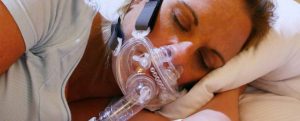
Quick Verdict: The 10-Minute CPAP Cleaning Routine
Knowing how to clean CPAP equipment takes about ten minutes a day and a bit longer once a week. Wash the mask cushion and empty the water chamber daily. Wash the hose, frame, and headgear weekly. Check the filter, and follow your manufacturer’s rules for anything that has foam or electronics.
A CPAP mask sits on your face for hours every night. Facial oils, sweat, and moisture build up on it. Dust collects on the machine. Over time, that can mean a weaker seal, more leaks, odors, and a less comfortable night.
This guide covers every part: the machine, filter, hose, mask, and water tank. You’ll also find a cleaning schedule, a soap comparison, travel tips, and a few honest notes on cleaning gadgets.
Key Takeaway: The parts you touch or breathe through need the most frequent care. The mask cushion and water chamber get daily attention; the hose, frame, and headgear are weekly. The machine body itself only needs an occasional wipe — and it should never get wet.
Table of Contents
- Quick Answer: What Should You Clean, and How Often?
- How Do You Clean a CPAP Machine?
- Disposable vs. Washable CPAP Filters
- How Do You Clean a CPAP Hose and Tubing?
- How Do You Clean a CPAP Mask?
- What Is the Best Soap to Clean a CPAP Mask?
- How Do You Clean a CPAP Hose with Vinegar?
- How Do You Clean a CPAP Water Tank?
- What CPAP Cleaner Does ResMed Recommend?
- How Do You Clean CPAP Equipment When Traveling?
- How Do You Dry CPAP Equipment Properly?
- What Are the Most Common CPAP Cleaning Mistakes?
- What Happens If You Don’t Clean Your CPAP Machine?
- How Often Should You Replace CPAP Equipment?
- What CPAP Cleaning Supplies Are Worth Buying?
- Frequently Asked Questions
- The Bottom Line
Quick Answer: What Should You Clean, and How Often?
Here is the short version. Details for each part come later in the guide.
| CPAP component | Suggested cleaning frequency |
|---|---|
| Silicone mask cushion | Daily |
| Memory foam cushion | Follow your manufacturer’s instructions (usually wipe, don’t wash) |
| Mask frame | Weekly |
| Mask headgear | Weekly |
| CPAP hose/tubing | Weekly |
| Humidifier water chamber | Empty daily; wash daily or weekly per manufacturer |
| Reusable foam filter | Rinse as the manual directs; replace when worn |
| Disposable filter | Replace on schedule; do not wash |
| Machine exterior | As needed |
Frequency varies by brand and mask design. For example, ResMed recommends daily cleaning for mask cushions and humidifier tubs, and weekly cleaning for tubing, frames, and headgear. Check your own manual first. It always has the final say for your model.
⏱ 10 minutes daily
! Never submerge the machine
How Do You Clean a CPAP Machine?
The machine itself needs the least work. It contains a motor and electronics, so it should never get wet.
In most cases, these steps cover it:
- Turn off the machine and unplug it.
- Disconnect the mask, hose, and humidifier water chamber.
- Wipe the outside with a soft cloth that is slightly damp.
- Dry the surface with a clean, dry cloth.
- Clean the removable parts separately (covered below).
- Let everything dry fully before you reconnect it.
Important: Don’t spray cleaners onto the machine. Don’t submerge it. Don’t wash the motor, the air outlet, or any electrical connection.
Why bother with the outside? Dust and pet hair on the casing can be pulled toward the air intake. A quick wipe every week or two keeps that to a minimum.
Disposable vs. Washable CPAP Filters: What’s the Difference?
Many people miss this step. Your machine’s air filter catches dust and particles before air reaches the hose. There are two common types, and they are cleaned differently.
Reusable foam filters are usually gray or black and spongy. In most cases, you can rinse them in warm water with a little mild soap, rinse again, and let them air-dry completely.
Disposable fine-particle filters are usually white and paper-like. They should not be washed with water. Water can damage the material and reduce how well it filters. Replace them on the schedule in your manual, or sooner if they look dirty.
Some machines use both. If your filter looks gray or discolored, that’s a sign it’s due for attention.
One thing to keep in mind: never put a damp filter back in. A wet filter can restrict airflow and trap moisture inside the machine.
How Do You Clean a CPAP Hose and Tubing?
Hose cleaning causes more confusion than any other step. The tube is long, narrow, and hard to see inside. That makes it easy to skip, and easy to get wrong.
How to Clean a CPAP Hose (Step by Step)
This method works for most standard (unheated) tubing.
- Disconnect the hose from both the machine and the mask.
- Fill a clean sink or basin with warm water.
- Add a small amount of mild, fragrance-free liquid soap.
- Submerge the hose if your manufacturer allows it.
- Gently move the soapy water through the tube. Swish it back and forth.
- Rinse well with clean water until no suds remain.
- Hang the hose in a clean spot so it can drain and air-dry.
Soap left inside the hose can irritate your nose and airways when air moves through it. Rinse longer than you think you need to.
Does Heated CPAP Tubing Need Different Care?
Yes, in most cases. Heated tubing has electrical parts built into the hose and the connector ends. Those parts must stay dry.
If you use heated tubing:
- Check your manual before submerging any part of it.
- Keep the electrical connector out of the water.
- Rinse the inside of the tube gently and let it drain.
- Make sure the connectors are completely dry before plugging them back in.
Standard tubing is more forgiving. Heated tubing costs more, so it’s worth taking the extra care.
Tools for Deep Hose Cleaning: Do You Need a Tube Brush?
A six-foot hose is hard to scrub by hand. If you notice buildup, a smell, or cloudy spots inside, a flexible CPAP tube brush can help. It reaches the inner walls that swishing alone can miss.
A tube brush works well if:
- Your hose smells even after washing.
- You see film or residue inside.
- You use a humidifier often, since moisture encourages buildup.
One drawback: not every brush fits every hose. Heated tubing and slim tubing need a compatible size. A brush with a stiff tip can also scratch the inner surface, so look for a soft-brim design.
A hose hanger is a smaller add-on that’s easy to overlook. It holds the tube vertically so water drains out fully. If your hose never seems to dry, this simple fix can help.
If your priority is a deeper clean without much effort, a brush and hanger is a low-cost pair to consider.
Looking for hose cleaning supplies? Check the latest prices on CPAP tube brushes and hose hangers on Amazon or through the official store of your CPAP manufacturer.
How Often Should You Clean CPAP Hoses and Tubing?
For most sleepers, weekly cleaning is a reasonable routine. That matches common manufacturer guidance.
Cleaning is different from replacing. Washing keeps the tube hygienic. Replacement is about wear. Tubing can crack, stiffen, or develop small holes over time. We cover replacement later in this guide.
How Do You Clean a CPAP Mask?
The mask touches your skin all night, so it collects the most oil and sweat. Cleaning it well helps the seal stay snug and reduces leaks.
The key is to be gentle. Silicone cushions can stretch and break down if you scrub hard or use harsh products.
How to Clean a CPAP Mask Daily
This takes about two minutes.
- Detach the mask from the hose.
- Take apart any removable pieces as your manual directs.
- Wash the cushion or nasal pillows in warm water with mild, fragrance-free soap.
- Rinse until all soap is gone.
- Shake off the water and let the parts air-dry.
- Wipe the frame and any non-washable parts as directed.
Why daily? Facial oils sit on the cushion and weaken the grip of the silicone. A dirty cushion can slide, leak, and cause red marks. Cleaning it each morning helps it last longer, too.
If you wear a full face mask, pay extra attention to the area that rests on your nose and cheeks. That’s where oil builds up fastest.
Once a week, wash the frame and headgear as well. Headgear is fabric, so hand-wash it in warm, soapy water and air-dry it. Heat from a dryer can damage the elastic.
How Do You Clean a CPAP Mask with Memory Foam?
Memory foam cushions are the exception. They need different care.
ResMed’s AirTouch memory foam cushions, for example, should not be submerged or washed with water. Water can soak into the foam, break it down, and leave it damp. A damp cushion can feel unpleasant and may not seal well.
For memory foam, the usual approach is:
- Keep the cushion dry.
- Wipe the surface gently with an alcohol-free CPAP wipe when needed.
- Avoid soaking, harsh detergents, and heavy scrubbing.
- Replace the cushion on the schedule your manufacturer suggests.
In practice, memory foam is easier to maintain day to day, but it wears out sooner than silicone and can’t be deep-cleaned. If you like the comfort of foam, plan to budget for regular replacements.
This is one trade-off between the two types. Silicone can be washed thoroughly and often lasts longer between swaps. Foam feels softer on sensitive skin, but needs wipes and more frequent replacement. Results vary depending on your mask type and skin.
If you’re not sure which type you have, check the mask model name or the manual. Don’t assume.
Need replacement cushions? Compare current prices for manufacturer-approved memory foam and silicone cushions on Amazon or at the official store. Match the cushion to your exact mask model.
What Is the Best Soap to Clean a CPAP Mask?
If your priority is a safe, simple option, choose a mild, fragrance-free liquid soap. That’s the baseline most manufacturers point to.
Here’s what to look for, and why:
- Fragrance-free. Scents can linger on the cushion and irritate your nose as you breathe.
- Free of moisturizers and oils. Lotion-style soaps can leave a film on silicone and reduce the seal.
- Mild formula. Harsh additives can break down silicone over time.
- Easy to rinse. Soap residue is the biggest risk, so a clean-rinsing formula matters.
Some people choose soaps made for CPAP equipment, such as Purdoux or CPAPology liquid cleansers. They’re designed to rinse clean and avoid residue, which can be reassuring. The drawback is cost. A plain, fragrance-free soap does the same job for many people, so a dedicated CPAP soap is worth considering mainly if you want a ready-made option.
Which Cleaning Products Are Safe for CPAP Equipment?
| Cleaning product | Suitability |
|---|---|
| Mild, fragrance-free soap | Generally suitable |
| Gentle dish soap | Check manufacturer guidance |
| Scented soap | Best avoided |
| Alcohol-based cleaners | Avoid unless specifically approved |
| Bleach | Avoid |
| Harsh household detergents | Avoid |
Dish soaps are a gray area. Some are mild enough, but many contain scents or degreasers. Compare the label with your manual’s advice before using one.
How Do You Clean a CPAP Hose with Vinegar?
You’ll see this tip online often. Some people use diluted white vinegar to freshen tubing. It’s a popular idea, but it isn’t a universal fix.
Here is the honest picture. Vinegar is acidic. Some manufacturers allow it for certain parts, and others don’t mention it for tubing at all. Using it on the wrong part could shorten the life of your equipment.
So the safest approach is this:
- Check your manual to see whether vinegar is approved for your hose.
- If it is, always dilute it. Don’t use it straight.
- Rinse the hose very well afterward, so no vinegar smell or residue remains.
- Let it dry completely.
For most sleepers, warm water and mild soap is simpler and has fewer unknowns. Vinegar is more of a specialty tool than a daily habit.
How Do You Clean CPAP Equipment with Vinegar Safely?
Vinegar works best on mineral buildup, not on general cleaning. Many manufacturers allow it for the water chamber, but that doesn’t mean it’s safe for masks, cushions, or hoses.
Treat each part separately:
- Water chamber: Often okay in a diluted solution, per the manufacturer.
- Mask cushion and frame: Stick to mild soap unless told otherwise.
- Hose: Check the manual first.
- Machine body and electronics: Don’t use vinegar.
Safety rule: Don’t mix vinegar with bleach or other cleaners. Combining chemicals can create harmful fumes.
How Do You Clean a CPAP Water Tank?
The water chamber (also called the humidifier tub) holds water that warms and moistens your air. Standing water can grow film and develop odors, so this part needs regular attention.
- Remove the chamber from the machine.
- Empty any water left inside.
- Take it apart if the design allows.
- Wash it in warm water with mild soap.
- Rinse thoroughly.
- Let it air-dry completely.
- Refill with the type of water your manufacturer recommends.
Don’t refill it before it’s dry, and don’t leave water in it all day. Empty it each morning.
How Often Should You Clean a CPAP Water Chamber?
Empty it every day. Wash it daily or at least weekly, depending on your manufacturer’s advice. ResMed, for example, recommends daily cleaning for its humidifier tubs.
Why so often? Stagnant water gives film and odors a place to build. Emptying and drying the chamber every morning is the easiest habit to keep.
How Do You Remove White Mineral Buildup from a CPAP Water Tank?
See a white, chalky crust at the bottom? That’s mineral scale, often limescale from tap water. It’s common in areas with hard water.
Diluted white vinegar can help dissolve it if your humidifier manufacturer allows it. ResMed, for example, permits a diluted vinegar soak for certain chambers. Follow the exact ratio and soak time in your own manual, then rinse very well.
A better fix is to prevent it. Using distilled water means fewer minerals to leave behind. In practice, that often means you’ll need to descale less often.
Distilled water is inexpensive, and travel packs are available if you’re on the road. Most manufacturers recommend it, so it’s worth checking your manual.
If your chamber is cloudy, scratched, or stained for good, it may be time for a new one. Check the latest price on a replacement CPAP water chamber for your exact model.
What CPAP Cleaner Does ResMed Recommend?
ResMed’s guidance is simple: wash with warm water and mild soap, and follow the instructions for your specific product.
You may see ads for automatic CPAP cleaning machines that use ozone or UV light. Some people like the convenience. Based on manufacturer guidance, though, you shouldn’t assume these devices are compatible with your equipment. ResMed doesn’t recommend assuming ozone cleaners are safe for its products, and unapproved cleaning methods could damage your gear. They may also affect your warranty.
So do you need one? For routine care, no. Handwashing is enough for most people.
A cleaning machine also can’t replace regular washing. It doesn’t remove oils and residue the way soap and water do.
The one exception: if you have a specific reason, such as limited hand strength, ask your doctor or equipment provider whether a particular device is approved for your model first. Compatibility matters more than convenience.
If your goal is the safest, lowest-cost routine, skip the gadget and put that money toward a good soap and fresh cushions.
How Do You Clean CPAP Equipment When Traveling?
Washing everything in a basin isn’t always realistic in a hotel room or on a camping trip. A simple plan can keep you on track.
Here’s one approach:
- Use mask wipes for daily cleaning. Alcohol-free CPAP wipes remove facial oils quickly. They also suit memory foam cushions.
- Pack a small bottle of mild soap for a deeper wash every few days.
- Bring distilled water, in travel packs, so you avoid mineral buildup from unfamiliar tap water.
- Pack a clean towel to lay parts on while they dry.
- Carry your equipment in a clean bag, not loose in a suitcase.
Wipes are a convenient stopgap, but they don’t replace a full wash. Aim to do a proper cleaning when you get home. If you travel often, consider reading our guide to travel CPAP machines.
For many travelers, a pack of unscented wipes is the one cleaning product worth bringing.
Check the latest price on CPAP mask wipes before your next trip. Look for alcohol-free, unscented formulas such as CPAPology or Contour wipes.
How Do You Dry CPAP Equipment Properly?
Drying matters as much as washing. Damp equipment is where odors start.
- Lay parts on a clean towel, away from direct sunlight. Sun can degrade silicone and plastic.
- Hang the hose so it can drain from both ends.
- Keep connectors and electrical parts dry.
- Don’t reassemble anything while it’s still wet.
How Can You Dry CPAP Equipment Faster?
If you wash in the evening and need everything ready by bedtime, a few tricks can help.
- Hang the hose over a shower rod or a door so water drains by gravity.
- Shake out the hose gently to push water out.
- Use your machine’s airflow. With the hose connected to the machine (and the mask off), run the blower for a few minutes with the humidifier removed or turned off. The moving air can push moisture out of the tube. Check your manual to make sure your model supports this.
- Pat parts with a clean towel before leaving them to air-dry.
This works best with standard tubing. With heated tubing, make sure the connectors are completely dry before powering anything on.
Another option: if you want to wash daily and always have a dry set, keep a second hose or cushion on hand and rotate them. That removes the time pressure entirely.
What Are the Most Common CPAP Cleaning Mistakes?
In most cases, equipment damage comes from a few habits. Watch out for these:
- Using bleach or harsh household chemicals.
- Choosing strongly scented soaps.
- Using alcohol-based cleaners without approval.
- Washing electrical parts.
- Submerging heated tubing connectors.
- Leaving soap residue inside the hose.
- Drying equipment in direct sunlight.
- Putting equipment back together while still wet.
- Using an unapproved ozone cleaning machine.
- Washing a memory foam cushion in water.
Tip: If you only fix one, fix the rinsing. Soap left behind causes more irritation than most people expect.
What Happens If You Don’t Clean Your CPAP Machine?
Let’s keep this realistic. Skipping a cleaning here and there won’t automatically make you sick. But over time, a dirty setup can cause problems you’ll notice.
For many sleepers, that looks like:
- Oil buildup on the mask cushion.
- A weaker seal and more air leaks.
- Unpleasant odors from the mask, hose, or water.
- Dust and debris collecting on the equipment.
- Moisture-related hygiene concerns, especially in the water chamber.
- Skin irritation from a dirty cushion.
When to talk to a professional: If you notice mold, a strong musty smell, or you’re getting frequent sinus or respiratory symptoms, talk with your doctor or equipment provider. Don’t rely on cleaning alone to solve a health issue.
How Often Should You Replace CPAP Equipment?
Washing keeps equipment clean. It can’t fix wear. Parts break down with use, and there’s no single schedule that fits everyone.
Replacement timing depends on how the part looks and feels, what your manufacturer recommends, and what your insurance covers. Many insurers set their own replacement schedules, so check with yours.
Here are the main parts to watch:
- Mask cushions: Replace when they look stretched, stiff, sticky, or torn, or when leaks increase.
- Full mask assemblies: Replace when the frame cracks or no longer holds a seal.
- Tubing: Replace if it’s cracked, stiff, or develops holes. Replacement tubing, such as a heated tube for your model, may also be easier to keep clean than an old hose.
- Headgear: Replace when the straps lose their stretch.
- Water chambers: Replace when they’re cloudy, stained, scratched, or leaking.
- Filters: Replace disposable filters on schedule. Replace foam filters when they’re worn or no longer clean after rinsing.
If your mask isn’t sealing well even after a thorough cleaning, it may be time for a new one. Our guides to the best CPAP masks, full face CPAP masks, CPAP masks for side sleepers, and best nasal CPAP masks can help you compare options.
What CPAP Cleaning Supplies Are Worth Buying?
You don’t need much. A basic routine works with a few well-chosen items.
Based on our evaluation, these categories are worth considering, in this order:
1. Mild, fragrance-free soap. This is the foundation. A CPAP-specific soap like Purdoux or CPAPology is convenient, though plain fragrance-free soap does the same job for many people.
2. Mask wipes. Best for travel, quick daily wipe-downs, and memory foam cushions. Choose alcohol-free, unscented wipes.
3. A hose brush and hanger. Helpful if you want to clean inside a six-foot tube and let it drain fully. Make sure the brush fits your tubing.
4. Distilled water. A low-cost way to cut down on mineral buildup in the humidifier.
5. Replacement cushions and tubing. Worth buying when parts are worn, not before. Match them to your exact model.
What to skip? For most people, automatic cleaning machines aren’t necessary, and compatibility with your device isn’t guaranteed. A basic kit costs far less and does the job.
If you’d like a simple starting point, a CPAP cleaning kit bundles a brush, wipes, and soap in one purchase. It’s a sensible option if you’re setting up a routine for the first time.
Editor’s Pick
CPAP Cleaning Kit
A CPAP cleaning kit bundles a brush, wipes, and soap in one purchase. It’s a sensible option if you’re setting up a routine for the first time.
If this matches what you need, it’s worth checking the latest price on a CPAP cleaning kit on Amazon or through the official store of your CPAP manufacturer.
Frequently Asked Questions About Cleaning a CPAP Machine
How often should I clean my CPAP machine?
Wipe the exterior as needed, and check the filter on the schedule in your manual. The parts you touch or breathe through need more frequent care: the mask cushion and water chamber daily, and the hose, frame, and headgear weekly.
Can I use Dawn dish soap to clean my CPAP mask?
Some people do, but results vary. Dish soaps can contain scents and degreasers that leave a film on silicone. Check your manufacturer’s guidance first. A mild, fragrance-free soap is a safer default.
Can I clean my CPAP hose with vinegar?
Only if your manufacturer allows it for your tubing. If so, dilute it, rinse very well, and dry fully. For most sleepers, warm water and mild soap is simpler.
How do I clean the inside of my CPAP hose?
Swish warm, soapy water through the tube, then rinse until no suds remain. A flexible tube brush can help reach the inner walls. Hang the hose to drain and air-dry.
Can I use baby shampoo to clean my CPAP mask?
Baby shampoo is mild, but many versions contain fragrance or conditioning ingredients that can leave residue. A fragrance-free soap with no added moisturizers is a better choice.
Can I put my CPAP mask in the dishwasher?
In most cases, avoid it. High heat and strong detergents can damage cushions and frames. Some water chambers are labeled dishwasher-safe, so check the label for each part.
Can I use Clorox wipes on my CPAP mask?
It’s best to avoid them. Disinfecting wipes contain chemicals that can degrade silicone and leave residue you’ll breathe in. Use alcohol-free CPAP wipes instead.
Should I clean my CPAP machine every day?
You don’t need to clean the machine body daily. Focus daily care on the mask cushion and the water chamber. The machine exterior can be wiped as needed.
Can I use tap water to clean my CPAP equipment?
Yes, tap water is fine for washing and rinsing most parts. For the humidifier, many manufacturers recommend distilled water to reduce mineral scale.
Do I need to clean my CPAP hose every day?
For most sleepers, weekly is enough. Daily hose washing isn’t typically needed unless your doctor or manufacturer advises it.
How do I remove mold from CPAP tubing?
If you see mold, the safest move is usually to replace the tubing. Cleaning may not reach everything inside. Talk with your doctor if you’ve had symptoms, and avoid bleach.
Can I use a CPAP cleaning machine instead of washing my equipment?
We don’t recommend relying on one. These devices don’t replace soap and water, and compatibility with your equipment isn’t guaranteed. Check with your manufacturer before using one.
What happens if I don’t clean my CPAP water tank?
Standing water can develop film, odors, and mineral buildup. A neglected tank can also affect how comfortable your humidified air feels. Empty it daily and wash it on a regular schedule.
Can I use vinegar to clean a CPAP humidifier?
Often yes, in diluted form, if your manufacturer permits it. It’s mainly useful for mineral scale. Rinse thoroughly, and never mix vinegar with bleach.
How long does CPAP equipment take to dry?
It varies with room temperature and airflow. Masks and cushions often dry within a few hours, and hoses can take longer. Hanging the hose and patting parts dry can speed things up.
The Bottom Line on How to Clean CPAP Equipment
A good routine is short and repeatable. Wash your cushion and empty your water chamber each day. Wash the hose, frame, and headgear weekly. Use mild, fragrance-free soap, rinse thoroughly, and dry everything fully.
Treat memory foam, filters, and heated tubing as special cases, and follow your manual when it says something different from this guide. If your equipment is worn, cracked, or no longer sealing, replacing it is often a better fix than more scrubbing.
If your priority is a clean, comfortable setup without extra cost, start with soap, wipes, and a good brush. Then, if a part is past its prime, it’s worth checking the latest prices on replacements before your next night of sleep.
Ready to Refresh Your CPAP Setup?
Browse our top-rated CPAP masks, replacement cushions, and cleaning accessories to keep your equipment performing its best.