If you’re reading this, you’ve probably already tried the easy fixes for snoring. Maybe you’ve switched sleep positions, cut back on wine before bed, or asked your partner to just deal with it (that last one rarely works out).
VitalSleep is one of the more established names in anti-snoring mouthpieces, and it comes up constantly in searches for snoring solutions. But before you buy, you probably want honest answers to a few questions:
- Does VitalSleep actually reduce snoring?
- Is it comfortable enough to wear all night, every night?
- What do real customers complain about?
- How does it compare with other mouthpieces like SnoreRx?
- Is it worth the price?
VitalSleep is an adjustable mandibular advancement device, or MAD. In plain language, it gently holds your lower jaw slightly forward while you sleep, which can help keep your airway more open. It’s designed for snoring, not as a treatment for diagnosed sleep apnea, and results vary from person to person.
Below, we’ll walk through how it works, what customers like and dislike, how to fit it correctly, and whether it’s the right choice for your situation.
[Check VitalSleep Price & 60-Night Guarantee →]
VitalSleep Reviews: Our Quick Verdict
Overall rating: 4.2/5 Best for: People whose snoring is linked to jaw position or airway narrowing, who want an adjustable, custom-molded option Not ideal for: People with significant dental work, TMJ issues, or snoring caused mainly by nasal congestion Adjustment range: 0–8 mm, in 1 mm increments Fit: Boil-and-bite, custom molded Sizes: Two (regular and small/petite) Guarantee: 60 nights Warranty: 1 year FDA status: FDA-cleared for reduction of snoring
VitalSleep has built a long track record, with the company reporting more than 600,000 devices sold since 2011. Its own review page cites a 4.6 out of 5 rating from over 1,100 verified buyers, with the large majority saying they’d recommend it to a friend.
That said, no mouthpiece works for everyone. In practice, VitalSleep tends to work best for snorers whose airway narrows because the jaw and tongue shift backward during sleep. It’s less likely to help if your snoring is mostly nasal, or if you have dental issues that make wearing an oral appliance uncomfortable. The sections below explain why, based on how the device is designed and what customers commonly report.
What Is VitalSleep?
VitalSleep is a two-piece oral appliance that fits over your upper and lower teeth. Unlike a basic mouth guard, it’s built specifically to move your lower jaw forward by a small, adjustable amount.
How the VitalSleep Mouthpiece Works
When you fall asleep, muscles in your throat and jaw relax. For many people, that relaxation lets the tongue and soft tissue drift backward, narrowing the airway. That narrowing is a common cause of the vibration we hear as snoring.
Moving the lower jaw slightly forward can pull the tongue and surrounding tissue away from the back of the throat. That extra space can reduce the vibration that causes snoring.
This approach helps with snoring that’s related to jaw and airway position. It won’t necessarily help if your snoring comes from something else, like a stuffy nose, allergies, or the shape of your soft palate.
VitalSleep vs. a Regular Mouth Guard
It’s worth clearing up a common mix-up. A “mouth guard” can mean several different things:
- A bruxism guard protects your teeth if you grind them at night. It doesn’t move your jaw forward.
- A generic anti-snoring mouth guard may just stabilize the jaw without true adjustability.
- A mandibular advancement device (MAD) like VitalSleep is designed to hold the jaw in a forward position you can fine-tune.
If you’re searching for “VitalSleep mouth guard reviews” because you grind your teeth, note that VitalSleep is built for snoring reduction through jaw advancement, not primarily as a bruxism guard. Some users find it helps with light grinding as a side benefit, but that isn’t its main purpose.
VitalSleep vs. Other Anti-Snoring Mouthpieces
Because so many people compare VitalSleep with SnoreRx and similar devices before buying, it makes sense to look at this early.
| Feature | VitalSleep | SnoreRx | SnoreRx Plus | Tongue Retaining Devices (TRDs) |
|---|---|---|---|---|
| Adjustable | Yes | Yes | Yes | No (holds tongue, not jaw) |
| Custom molding | Yes (boil-and-bite) | Yes | Yes | Usually no |
| Adjustment increments | 1 mm | Varies by model | Varies by model | Not applicable |
| Size options | 2 | 1 (one-size, trims to fit) | 1 | Varies |
| Guarantee | 60 nights | Varies by retailer | Varies by retailer | Varies |
| Best for | Adjustable, custom-molded comfort | Simple one-size fitting | Precision jaw tracking | People who can’t tolerate a MAD |
Specs for competing products can change, so it’s worth double-checking current details on the manufacturer’s site before you buy.
VitalSleep vs. SnoreRx
The main difference comes down to the adjustment mechanism. VitalSleep uses a hex-key micro-adjustment system, often called Accu-Adjust, that lets you move each side of the jaw independently in small 1 mm steps. That level of control can be helpful if you need a slightly different setting on one side. SnoreRx uses its own calibrated adjustment system and is molded from a single tray rather than two sizes, which some people find simpler to fit.
VitalSleep vs. Tongue Retaining Devices
Tongue retaining devices work differently. Instead of moving your jaw, they use gentle suction to hold your tongue forward. TRDs can be a reasonable option if you can’t tolerate a mouthpiece that covers your teeth, or if you’ve had jaw surgery or extensive dental work. They tend to feel more unusual at first, though, and aren’t adjustable the way VitalSleep is.
VitalSleep Anti-Snoring Mouthpiece Features
Adjustable 0–8 mm Jaw Advancement (Accu-Adjust)
VitalSleep’s Accu-Adjust system uses a small hex key to move the lower tray forward in 1 mm increments, up to 8 mm total. Each side can be adjusted independently. This matters because starting at maximum advancement is a common mistake — small, gradual changes give your jaw time to adapt and make it easier to find a setting that actually works for you.
Custom Molded Fit
Like most effective MADs, VitalSleep uses a boil-and-bite process. You soften the material in hot water, then bite down to create an impression of your teeth. A properly molded fit keeps the device secure and reduces the chance of it popping out during the night.
Two Available Sizes
VitalSleep comes in a regular and a smaller size, designed to fit different mouth sizes and jaw structures. Choosing the wrong size is one of the most common reasons people report discomfort or a poor fit, so this step matters more than it might seem.
Low-Profile Design With a Center Air Opening
VitalSleep includes a center air opening designed to make mouth breathing easier while the device is in. This can matter if you occasionally breathe through your mouth at night, or if nasal congestion is part of your sleep pattern.
Materials and Construction
The device is made from a thermoplastic material designed to be remolded a limited number of times if the first fit doesn’t feel right. Like any material worn against your teeth for hours a night, it will show wear over time and eventually need replacing.
FDA Clearance
VitalSleep is FDA-cleared for the reduction of snoring. FDA clearance means the device has met the agency’s requirements for products of this type — it isn’t the same as FDA approval, and it doesn’t mean the device is guaranteed to work for every person or every cause of snoring.
VitalSleep Mouthpiece Reviews: What Customers Like
Instead of listing scattered testimonials, it’s more useful to look at the patterns that show up again and again in customer feedback.
Snoring Reduction
Many reviewers report a noticeable drop in snoring, particularly after the first week or two of getting the fit and adjustment dialed in. In most cases, results improve as people fine-tune the jaw position rather than jumping straight to maximum advancement.
Adjustable Fit
The ability to make small changes over time is one of the most frequently mentioned advantages. For many sleepers, the first setting isn’t the final one, and having room to adjust makes a real difference in comfort and effectiveness.
Long-Term Durability
Some long-term users report getting many months of consistent use from a single device before needing a replacement, particularly when it’s cleaned regularly and stored properly.
Customer Support
Reviewers often mention straightforward experiences with sizing exchanges and warranty replacements, which matters if your first fit isn’t quite right.
Easy to Customize
Because the device can be reheated and reshaped a limited number of times, users who don’t get a perfect mold on the first try generally have a chance to redo it rather than starting over with a new device.
VitalSleep Complaints & Side Effects: What Real Users Report
If you’re comparing anti-snoring mouthpieces, you deserve to know what can go wrong — not just what goes right. This is one of the most searched topics related to VitalSleep, and for good reason.
Temporary Jaw Soreness and Bite Changes
Jaw soreness is one of the more common early complaints. It typically happens when someone advances the jaw too far, too fast. Gradual, 1 mm adjustments — and giving each setting several nights before changing it again — tends to reduce this issue.
One thing to keep in mind: long-term use of any mandibular advancement device can, in some people, lead to subtle bite changes or tooth movement over months or years. This is a known consideration with MADs generally, not unique to VitalSleep. If you have a history of TMJ (jaw joint) problems, loose teeth, dental crowns, implants, or a significant bite misalignment, it’s worth talking to a dentist before starting. If you notice ongoing jaw pain, changes in your bite, or tooth discomfort, that’s a reason to stop and check in with a dental professional rather than pushing through it.
Excess Salivation and Mouth Dryness
Increased saliva is a common initial adjustment issue, and some people experience the opposite — mouth dryness — especially if they breathe through their mouth at night. Both tend to ease as your mouth adjusts to wearing the device, though results vary depending on your mask type and sleeping position, and it’s fine to give it a few weeks before deciding.
Cleaning Challenges and Material Odor
Because the device sits in a warm, moist environment for hours every night, it can develop odor or a biofilm buildup if it isn’t cleaned properly. This is a common cause of people giving up on oral appliances in general, not just VitalSleep.
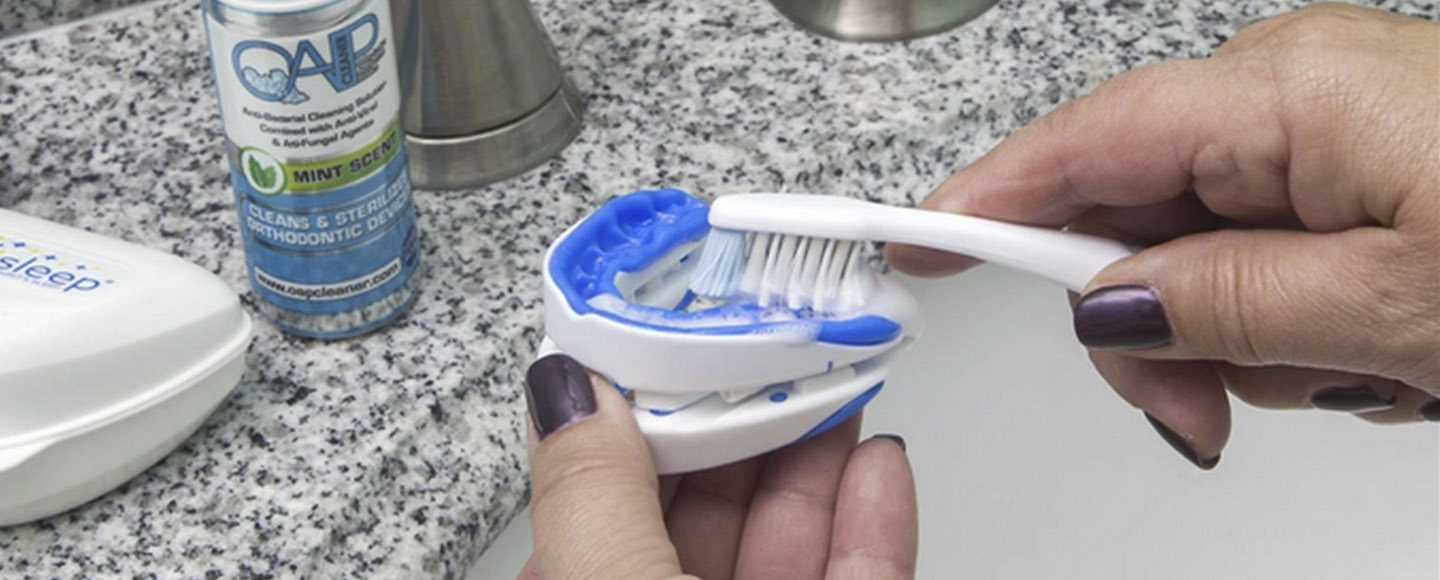
A few things to avoid: don’t use hot water to clean it after the initial molding, since heat can warp the fit you worked to create. Toothpaste is also worth skipping for daily cleaning — it can be abrasive enough to create tiny scratches where bacteria collect. Mild dish soap, a denture cleaning tablet, or a cleaner made specifically for oral appliances tends to work better for regular upkeep.
Mouthpiece Feels Uncomfortable
An oral appliance isn’t comfortable for everyone, especially in the first few nights. Some people adjust within a week; others find they simply don’t tolerate having something in their mouth overnight, regardless of brand.
Wrong Size
Choosing between the regular and smaller size matters more than people expect. A size that’s too large can feel bulky and increase gagging or discomfort; one that’s too small may not seat properly, which can affect both comfort and effectiveness.
VitalSleep Didn’t Stop My Snoring
If the device isn’t reducing your snoring, a few things are worth checking before assuming it doesn’t work for you:
- The mold wasn’t done correctly, so the fit is loose
- The adjustment hasn’t been increased enough yet
- The snoring is caused by nasal congestion rather than jaw position
- The device isn’t being worn consistently through the night
VitalSleep’s own materials acknowledge that sizing, adjustment, and fit issues are among the most common reasons the device doesn’t work well for some users — which is a more honest starting point than assuming the product is simply ineffective.
Who should skip VitalSleep and talk to a doctor or dentist first: people with diagnosed sleep apnea who haven’t been cleared by a doctor to use an oral appliance, people with full dentures, active gum disease, or significant TMJ history, and anyone who has had major dental or jaw surgery.
Step-by-Step Fitting and Maintenance Guide
What You’ll Need
- Hot water and cold water
- A timer
- The VitalSleep hex-key adjustment tool
Step 1: Choose the Correct Size
Compare your bite and jaw size against VitalSleep’s sizing guidance before molding. Getting this step right avoids most of the fit problems described above.
Step 2: Mold the Mouthpiece Without Ruining the Fit
Soften the tray in hot water for the recommended time, then bite down firmly and hold for the full cooling period before removing it. Biting down too briefly, or removing it too early, is the most common reason a first mold doesn’t turn out well. If it doesn’t seat properly, most devices can be re-softened and remolded a limited number of times.
Step 3: Adjust the Lower Tray
Start at the lowest advancement setting. Using the hex-key tool, move each side forward in 1 mm increments. Avoid the temptation to jump to a higher setting right away — gradual changes are easier on your jaw.
Step 4: Find Your Comfortable Setting
Wear each setting for several nights before adjusting again. Maximum advancement isn’t automatically better; the goal is the smallest amount of advancement that reduces your snoring without causing soreness.
Step 5: Clean and Store VitalSleep
Rinse it after every use with cool or lukewarm water — not hot. Clean it with mild soap or a denture-style cleaner rather than toothpaste. Let it air dry completely before storing it in its case, and keep it away from direct heat sources, which can warp the mold.
What Is It Like Sleeping With VitalSleep?
The first night or two is usually the biggest adjustment. Expect some awareness of the device in your mouth, possibly more saliva than usual, and a bit of jaw tension if you’ve advanced it too far too soon.
By the end of the first week, most users report it becoming less noticeable. Side sleepers and back sleepers both tend to tolerate MADs reasonably well; stomach sleepers sometimes find any oral appliance a bit more awkward simply due to head position.
If you wake up with the device still in place and no significant jaw soreness, that’s generally a good sign you’re on a workable setting. If you’re waking up with it out, or with noticeable soreness, that’s worth troubleshooting — usually a fit or adjustment issue rather than a sign the concept doesn’t work for you.
Does VitalSleep Really Work?
Who Is Most Likely to Benefit
VitalSleep tends to work best for people whose snoring is related to the tongue or soft tissue shifting backward during sleep — the kind of snoring that often gets worse when sleeping on your back. If that sounds like your situation, an adjustable MAD is a reasonable option to try.
Who May Not Get Good Results
- People whose snoring is mainly caused by nasal congestion or allergies
- People who can’t tolerate anything in their mouth overnight
- People with significant dental work, missing teeth, or TMJ issues
- People who skip the sizing and molding steps and end up with a poor fit
What If VitalSleep Doesn’t Work?
Before writing it off, it’s worth working through a short checklist:
- Check that the size and mold are correct
- Increase the adjustment gradually rather than assuming it’s maxed out
- Give each new setting several nights before judging it
- Consider whether your snoring might be nasal rather than jaw-related
- If none of that helps, it may simply not be the right tool for your specific cause of snoring
VitalSleep Pros and Cons
| Pros | Cons |
|---|---|
| Adjustable jaw advancement in 1 mm increments | Can cause temporary jaw soreness if advanced too quickly |
| Custom-molded, boil-and-bite fit | Takes time and a few adjustments to get comfortable |
| Two size options | Wrong sizing can cause discomfort |
| Center air opening supports mouth breathing | Requires regular, careful cleaning |
| 60-night guarantee and 1-year warranty | Long-term use may affect bite in some people |
| FDA-cleared for snoring reduction | Not a treatment for diagnosed sleep apnea |
| Long company track record (600,000+ sold since 2011) | Not effective for snoring caused mainly by nasal congestion |
VitalSleep Price, Guarantee, and Warranty
VitalSleep is typically sold directly through the manufacturer’s site, with pricing that varies depending on current promotions. A few things worth checking before you buy:
- 60-night guarantee: gives you time to properly mold, adjust, and evaluate the device rather than judging it after one night
- Free size exchange: useful if your first size choice doesn’t fit well
- 1-year warranty: covers manufacturing defects
- Return requirements: check the current policy for any conditions on returns
- HSA/FSA eligibility: may apply depending on your plan; verify with your provider before purchase
[Try VitalSleep Risk-Free for 60 Nights →]
Is VitalSleep Worth It?
VitalSleep is worth considering if:
- Your main goal is reducing snoring linked to jaw or airway position
- You want the ability to fine-tune the fit over time
- You’re comfortable with a custom-molded appliance
- You’re willing to spend a week or two dialing in the right setting
- You want a substantial trial period before committing
You may want another solution if:
- You can’t tolerate anything covering your teeth overnight
- Your snoring is mostly nasal
- You have significant dental or TMJ concerns
- You’ve been diagnosed with sleep apnea and haven’t discussed oral appliance options with a doctor
Frequently Asked Questions About VitalSleep
Does VitalSleep really work? For many sleepers whose snoring is related to jaw and airway position, it can meaningfully reduce snoring. Results vary depending on the cause of your snoring and how well the device is fitted and adjusted.
Is VitalSleep FDA approved? VitalSleep is FDA-cleared for the reduction of snoring. Clearance and approval are different regulatory terms, and clearance doesn’t guarantee results for every user.
Is VitalSleep safe? For most healthy adults without significant dental or TMJ issues, it’s considered a reasonable option. People with dental work, TMJ history, or diagnosed sleep apnea should check with a dentist or doctor first.
Can VitalSleep treat sleep apnea? No. It’s designed for snoring, not as a treatment for diagnosed sleep apnea. If you have sleep apnea, talk to a doctor about appropriate treatment options.
How long does it take to get used to VitalSleep? Most users report an adjustment period of about one to two weeks as they mold, size, and gradually adjust the device.
How do you clean VitalSleep? Rinse with cool or lukewarm water, clean with mild soap or a denture-style cleaner, avoid toothpaste and hot water, and let it air dry before storing.
How do you adjust VitalSleep? Use the included hex-key tool to move the lower tray forward in 1 mm increments, starting at the lowest setting and adjusting gradually.
How long does VitalSleep last? With regular cleaning and care, many users get several months to a year of use before needing a replacement, though this varies by individual wear patterns.
Does VitalSleep hurt your jaw? It can, particularly if advanced too quickly. Gradual adjustment and giving each setting time usually reduces this.
Can you use VitalSleep if you grind your teeth? It’s designed primarily for snoring rather than as a bruxism guard, though some users find it offers secondary benefits. If teeth grinding is your main concern, a dedicated night guard may be a better fit.
What happens if VitalSleep doesn’t fit? You can typically remold it a limited number of times, or exchange it for a different size under the manufacturer’s policy.
Is VitalSleep worth the money? For people whose snoring responds to jaw advancement, the combination of adjustability, a long guarantee period, and a warranty makes it a reasonable option to try, especially compared with non-adjustable alternatives.
Final Verdict: Should You Buy VitalSleep?
Overall rating: 4.2/5
- Effectiveness: Strong for jaw- and airway-related snoring; limited for nasal snoring
- Comfort: Improves with proper sizing, molding, and gradual adjustment
- Adjustability: A genuine strength, with fine 1 mm control on each side
- Ease of use: Straightforward once fitted, though the first setup takes patience
- Durability: Solid for a boil-and-bite device with proper care
- Value: Reasonable given the guarantee period and warranty
- Guarantee: 60 nights is enough time to properly evaluate it
If your biggest concern is snoring tied to jaw position, and you’re willing to spend the first week or two fitting and adjusting it properly, VitalSleep is one of the stronger adjustable options to consider. If your snoring is mostly nasal, or you have dental or TMJ concerns, it’s worth talking to a doctor or dentist before buying — or looking at alternatives better suited to those situations.
[Claim Official VitalSleep Discount & Guarantee →]