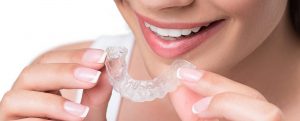
If you wear dentures, a retainer, or a night guard, you already know the problem. By morning, the appliance can look cloudy and taste stale. Over time, plaque, stains, and odor build up.
That is the main idea behind this guide. We compared popular tablets by cleaning purpose, label directions, ingredients, compatibility, and cost. We also flagged which ones contain persulfate, an ingredient that can cause reactions in some people.
Quick note on how we researched this: the picks below are based on manufacturer labels, ingredient lists, and common customer feedback. Formulas change, so always read the current package before you buy or use any product.
The Short Answer: Which Tablets Should You Buy?
For most denture wearers, Polident 3 Minute is a strong starting point. It is widely available and designed for fast daily cleaning.
If your priority is price, Efferdent Complete Clean is worth considering. If you want overnight stain control, look at Polident Overnight Whitening. If you wear clear retainers, Retainer Brite is a better fit than a standard denture tablet. If you react to cleaning products, M3 Naturals is marketed as a persulfate-free option.
Quick Comparison: Best Denture Cleaner Tablets
| Product | Best For | Cleaning Time | Persulfate-Free? | Appliance Notes |
|---|---|---|---|---|
| Polident 3 Minute | Best Overall | About 3 minutes | No (check label) | Dentures; confirm your formula |
| Efferdent Complete Clean | Best Value | Per package | No (check label) | Dentures; confirm your formula |
| Polident Overnight Whitening | Best Overnight Cleaning | Overnight | No (check label) | Dentures; follow overnight directions |
| Retainer Brite | Best for Retainers & Aligners | Per package | Check label | Retainers and clear aligners |
| M3 Naturals Retainer & Denture Cleaner | Best Persulfate-Free Option | Per package | Marketed as yes; verify | Dentures and retainers where label allows |
| iSonic CSB02 (ultrasonic cleaning solution) | Best for Ultrasonic Cleaners | Per machine cycle | Check label | Use with the machine it is designed for |
| Efferdent Overnight / Deep Clean | Best for Heavy Stain Removal | Per package | No (check label) | Dentures; confirm your formula |
A note on the table: “Check label” is deliberate. Brands sell several versions of the same product. The tablet on your shelf may differ from the one in an online listing.
Why Tablets Matter (and Why They Are Not Enough on Their Own)
Dentures and appliances collect a thin film of plaque called biofilm. It holds bacteria, food particles, and stains.
Tablets help loosen that film. The fizzing action and oxidizing ingredients lift debris from surfaces a brush may miss.
In practice, though, soaking is only half the job. Brushing with a soft denture brush removes the loosened film. Skip that step and buildup returns faster.
Tablets also clean the appliance, not your mouth. They are never meant to be swallowed or used as a mouth rinse.
7 Best Denture Cleaner Tablets (Our Top Picks)
Each review below follows the same pattern: what problem the product solves, who it suits, how it differs, its strengths and limits, whether it is worth the price, and who should skip it.
1. Polident 3 Minute: Best Denture Cleaner Tablets Overall
What problem does it solve? Daily buildup, odor, and light staining, without a long soak.
Who is it best for? Full or partial denture wearers who want a fast routine. If you clean your dentures in the morning or between meals, a three-minute soak fits that rhythm.
What makes it different? Speed. Most overnight formulas ask for a long soak. This one is built for a short one, which many people find easier to stick with.
What We Like
- Quick soak time, which makes daily use easier to keep up
- Widely sold in stores and online
- Helps reduce odor and everyday buildup
- Simple, familiar routine
What to Consider
- Contains persulfate, so it is not ideal if you have sensitivities
- Not designed for hardened tartar
- Not meant for extended overnight soaking unless the label says so
Is it worth the price? For most sleepers and denture wearers, yes. It sits in the mid-range, and the short soak time makes it more likely you will actually use it every day. Regular use matters more than any single formula.
Who should skip it? Anyone with a known persulfate allergy, and anyone looking mainly for overnight stain removal. See picks 3 and 5.
If a quick, reliable daily clean is your priority, this is a strong place to start. It is worth checking the latest price before you decide.
2. Efferdent Complete Clean: Best Value Denture Cleaning Tablets
What problem does it solve? Everyday cleaning and freshening at a lower cost per use.
Who is it best for? Budget-minded shoppers who clean their dentures every day and go through tablets quickly.
What makes it different? Pack size. Efferdent is often sold in large counts, which can bring down the cost per tablet. That matters when you use one every day.
What We Like
- Large packs are often available, which lowers the cost per cleaning
- Designed for regular, daily use
- Helps remove odor and surface film
- Easy to find
What to Consider
- Contains persulfate (check the label)
- Soak times are longer than the three-minute option
- Not the strongest choice for deep, set-in stains
Is it worth the price? Compared with premium or specialty options, usually yes. Do the math before you buy: divide the pack price by the number of tablets. A larger pack almost always wins on cost per cleaning, as long as you will use it before it expires.
Who should skip it? People with sensitive gums or allergies to cleansers, and anyone with stubborn, long-standing stains.
If your priority is keeping a daily routine affordable, this is one of the stronger options to consider.
3. Polident Overnight Whitening: Best Overnight Denture Cleaner Tablets
What problem does it solve? Staining and discoloration that a short soak does not fully lift.
Who is it best for? People who stain their dentures with coffee, tea, or red wine, and who prefer to soak overnight while their dentures are out.
What makes it different? It is formulated and labeled for longer soaking. That is important. Most quick-clean tablets should not be left overnight, because extended exposure can be harsh on some materials.
What We Like
- Made for long soaks
- Helps lift surface stains
- Fits easily into a bedtime routine
What to Consider
- Whitening results vary and are usually modest on older, deeper stains
- Contains persulfate (check the label)
- Overnight soaking is not right for every denture, especially those with metal parts
Is it worth the price? If surface stains are your main complaint, it is reasonable. Keep expectations realistic. Tablets can improve surface discoloration, but they do not remove hardened tartar or change the underlying color of the material.
Who should skip it? Anyone with a metal-framework partial denture who has not checked with their dentist. Also skip it if you react to persulfate.
4. Retainer Brite: Best for Retainers & Aligners
What problem does it solve? Cloudy buildup, odor, and film on retainers and similar clear plastic appliances.
Who is it best for? Retainer wearers, and in many cases people who use clear aligners or other removable orthodontic appliances. Night guard wearers should read the label and confirm compatibility with their guard’s material.
What makes it different? It is made for retainers rather than dentures. That is a real distinction. A regular denture tablet is not automatically safe for a clear retainer. Harsh formulas can contribute to cloudiness or yellowing over time.
What We Like
- Designed with retainers in mind
- Helps with odor and film on thin plastic
- A better starting point for clear appliances than a standard denture tablet
What to Consider
- Not automatically a denture cleaner
- May cost more per tablet than denture tablets
- Soaking too long can still cause problems, so follow the directions
Is it worth the price? If you wear a retainer every night, it is usually worth paying a bit more for a product made for that purpose. Replacing a retainer costs far more than a box of tablets.
Who should skip it? Full denture wearers should check that the label approves the product for dentures before using it that way.
5. M3 Naturals Retainer & Denture Cleaner: Best Persulfate-Free Option
What problem does it solve? Cleaning for people who want to avoid persulfate or who have sensitive gums.
Who is it best for? Readers who have had irritation from other tablets, or who simply prefer a gentler, plant-based approach. It is marketed for both retainers and dentures.
What makes it different? The ingredient approach. Most mainstream effervescent tablets rely on persulfate. This product is marketed as a persulfate-free alternative using natural ingredients and oils. Brands can change formulas, so confirm this on the current label.
What We Like
- Marketed as persulfate-free
- A sensible option if you have a history of reactions to cleansers
- Works for more than one type of appliance, per its label
What to Consider
- Cleaning power on heavy stains may be milder than traditional options
- Usually costs more per tablet
- “Natural” does not mean risk-free, so still read the ingredient list for any allergies
Is it worth the price? If persulfate is a concern, yes. For people without sensitivities, a standard tablet may deliver more stain-lifting for less money.
Who should skip it? Anyone whose main goal is heavy stain removal on a tight budget.
6. iSonic CSB02: Best for Ultrasonic Cleaners
What problem does it solve? It gives an ultrasonic machine a solution designed for it, so you are not guessing which tablet will behave well in the tank.
Who is it best for? People who already own an ultrasonic cleaner, or are about to buy one, for dentures, retainers, or night guards.
What makes it different? It is made for ultrasonic use. That matters because the wrong solution can leave a film in the machine or damage certain materials. Match the product to the machine and the appliance. If you use a different brand of machine, check that both manufacturers approve the pairing.
What We Like
- Designed for ultrasonic use
- Can help reduce residue in the tank
- Works as part of a more thorough cleaning routine
What to Consider
- Requires an ultrasonic machine, which is an added cost
- Not a standard soaking tablet
- Compatibility depends on your machine and your appliance
Is it worth the price? Only if you already use, or plan to use, an ultrasonic machine. Otherwise, a regular tablet is simpler and cheaper.
Who should skip it? Anyone without an ultrasonic cleaner.
One more thing to keep in mind: product names and formats in this category change often. Confirm that the exact listing you are buying matches the use you have in mind.
7. Efferdent Overnight / Deep Clean: Best for Heavy Stain Removal
What problem does it solve? Deeper discoloration and stubborn plaque on dentures.
Who is it best for? Denture wearers who find that a short soak is not enough and want a stronger option for regular maintenance.
What makes it different? It targets heavier buildup. Efferdent is also easy to buy in the US, which makes it a practical pick if you want something that does not require special ordering.
What We Like
- Aimed at tougher stains and deeper plaque
- Easy to buy
- Familiar brand with clear label directions
What to Consider
- Contains persulfate (check the label)
- Soak times are longer
- Cannot remove hardened tartar
Is it worth the price? It is reasonable for heavier staining. If your dentures have hard, chalky deposits, though, a tablet will not fix that. A dentist or denturist can remove tartar safely.
Who should skip it? People with reactions to persulfate, or metal partial wearers who have not checked the label.
How We Chose the Best Denture Cleaner Tablets
We did not rank products by popularity alone. We looked at:
- Cleaning purpose: Does the product target odor, light buildup, stains, or heavy deposits?
- Ingredients and warnings: Are they clearly listed? Is persulfate present?
- Appliance compatibility: What does the manufacturer say about dentures, partials, retainers, aligners, and night guards?
- Ease of use: Soak time, rinsing, and whether it fits a daily routine.
- Value: Cost per tablet and number of cleanings per pack.
- Customer feedback: Common praise and recurring complaints.
- Manufacturer support: Clear directions and easy availability.
One limit worth stating: results vary depending on your appliance material, water, and how consistently you brush. We encourage you to confirm details on the current packaging.
How to Use Denture Cleanser Tablets (Step by Step)
Most people use tablets correctly most of the time. A few small mistakes cause most of the problems.
Step 1: Remove and Rinse Your Dentures
Take your appliance out carefully. Rinse it under cool running water to wash away loose food.
Do not use hot water. Heat can warp acrylic and other plastics, which changes how the appliance fits.
Step 2: Prepare the Cleaning Solution
Fill a clean cup with the amount and temperature of water listed on the package. This is usually lukewarm water.
Add the number of tablets the label recommends. More is not better.
Step 3: Soak Your Appliance
Fully submerge it. Then follow the time on the label.
Quick-clean tablets are made for short soaks. Overnight tablets are made for long ones. Do not assume a quick-clean tablet can stay on all night.
Step 4: Brush Away What the Tablet Loosened
This step matters more than most people think. Tablets loosen the plaque film, but brushing removes it.
Use a soft denture brush and plain water or a gentle cleanser made for dentures. Avoid regular toothpaste, which can be abrasive and leave tiny scratches where bacteria collect. If you use a night guard, a dedicated night guard cleaner can help you keep it fresh without scratching the material.
Step 5: Rinse Thoroughly Before Wearing
Rinse the appliance under clean running water. Dispose of the used solution.
Never put a dental appliance in your mouth while it still has cleaning solution on it. Tablets should not be swallowed.
Best Denture Cleaning Tablets for Different Needs
Not everyone needs the same thing. Here is how to narrow it down.
Best Denture Cleaning Tablets for Stubborn Stains
If surface stains bother you, look for a product labeled for stain removal. Polident Overnight Whitening and Efferdent Deep Clean both fit here.
Surface stains from coffee or tea often improve with regular soaking and brushing. Hardened deposits do not. If your appliance feels rough or chalky, ask a dental professional about a professional cleaning.
Best Denture Cleaning Tablets for Smokers
Tobacco can leave deep yellow or brown staining. Daily cleaning may slow it, but it often will not reverse it.
Look for a tablet with explicit stain-removal claims. And do not reach for household bleach or abrasive scrubs. They can damage the surface and the fit.
Best Denture Cleaning Tablets for Overnight Cleaning
Only soak overnight if the label says it is designed for that. Polident Overnight Whitening is made for it.
For most people, quick-clean tablets are not meant for long soaks. Extended contact can be harsher on some materials.
Best Denture Cleaning Tablets for Partial Dentures
Partials often have metal clasps or frameworks. Oxidizing ingredients and acids can tarnish or corrode metal if soaked for too long or at the wrong strength.
Before using any tablet on a partial, check the label. If you are unsure, ask your dentist. They know what your particular partial is made of.
Best Denture Cleaning Tablets for Retainers
For clear retainers, a retainer-specific cleaner like Retainer Brite is the safer place to start. Standard denture tablets are not automatically safe here.
Harsh cleaners can cloud or yellow clear plastic over time. Wire retainers can also tarnish. Rinse well, brush gently, and follow the label. If you also use clear aligners, the same care applies — our guide to the best ultrasonic denture cleaner covers machine options that work for aligners too.
Best Denture Cleaning Tablets for Night Guards
Many SleepDeeper readers wear a night guard or mouth guard for grinding or jaw pain. Night guards sit in your mouth for hours, so cleaning them matters.
Most night guards are made of acrylic or a softer thermoplastic. That means heat and harsh chemicals can warp or cloud them. Look for a tablet that lists night guards or retainers on the label. If yours does not, check with your dentist or the guard’s maker. For more on choosing and caring for a guard, see our guides to the best mouth guard for teeth grinding and the best night guard for teeth clenching.
Best Persulfate-Free Options for Sensitive Mouths
If you have had irritation, rashes, or swelling around the mouth, talk to your dentist or doctor first. Then look for a cleaner that does not list persulfate.
M3 Naturals is marketed as persulfate-free. Always verify against the current ingredient list.
Can You Use Denture Tablets in Water Bottles?
Short answer: it is better not to, unless the denture tablet’s maker says it is fine.
Denture tablets can leave a minty or chemical aftertaste that is hard to rinse out. A tablet made for bottles is usually the better choice. Bottle Bright is one example. Whatever you use, rinse the bottle very well and check what your bottle is made of.
Best Ultrasonic Denture Cleaner Tablets
An ultrasonic cleaner uses tiny vibrations in water to shake loose debris. It can reach small grooves that a soak might miss.
Soaking relies on chemistry. Ultrasonic cleaning adds motion. Some people use the two together, with a solution made for the machine.
| Feature | Regular Denture Tablets | Ultrasonic Cleaning Solutions |
|---|---|---|
| Cleaning method | Chemical soaking | Chemical cleaning plus ultrasonic vibration |
| Equipment | A cup | An ultrasonic machine |
| Convenience | Simple | Needs extra equipment |
| Main concern | Soak time | Machine and solution compatibility |
What to look for:
- A solution the machine maker approves
- A label that lists your appliance type
- Clear directions for cycle length
Always follow both the machine instructions and the solution instructions. If they disagree, go with the more cautious one.
Denture Tablets vs. Other Cleaning Methods
Some people ask whether they can skip tablets and use something from the kitchen. Here is the honest comparison.
| Method | What It Does Well | Watch Out For |
|---|---|---|
| Denture tablets | Convenient, premeasured, made for dental appliances | Persulfate in many formulas; follow soak times |
| Vinegar soak | Can help loosen some mineral buildup | May be harsh on metal parts and some materials; rinse well |
| Baking soda | Mild abrasive for light cleaning | Can scratch if scrubbed hard |
| Dish soap and a soft brush | Gentle and effective for daily brushing | Does not loosen biofilm the way tablets can |
| Bleach | Not recommended | Can damage materials and metal and is unsafe if not fully rinsed |
| Regular toothpaste | Not recommended | Abrasive; can scratch the surface |
In most cases, a good routine uses both a gentle brush and a tablet. Tablets are not magic, and brushing alone has limits too.
What to Look for When Buying Denture Cleaning Tablets
Cleaning Effectiveness
Some tablets focus on odor. Others focus on stains. Pick the one that matches your main problem.
Ingredients and Formula
Most effervescent tablets use oxidizing ingredients to lift stains and kill odor-causing bacteria. Many contain persulfate. Read the label if you have allergies or sensitive gums.
Cleaning Time
Quick-clean tablets suit daily use. Overnight tablets suit people who want a longer soak. Do not swap one for the other.
Compatibility With Your Appliance
Full dentures, partial dentures, flexible dentures, retainers, and night guards are not all made of the same materials. Look for your appliance on the label.
Cost Per Cleaning
Here is the simple formula:
Pack price ÷ number of tablets = cost per cleaning
Then multiply by 365 to see your yearly cost. For example, a pack that costs $10 for 100 tablets works out to $0.10 per cleaning, or about $36.50 a year. Seen that way, the gap between a budget pack and a premium one is easier to judge.
Packaging and Storage
Individually wrapped tablets stay fresher. Keep them dry and check the expiration date.
Are Denture Cleaning Tablets Safe?
For most people, tablets are safe when used exactly as directed. Safety depends on the details.
Understanding Persulfate Allergies and Symptoms
Persulfates are common in effervescent cleansers. In some people, they can cause allergic reactions. Possible signs include:
- Rash or itching
- Redness or swelling of the gums or lips
- Irritation or a burning feeling in the mouth
- Breathing trouble in more serious cases
If you notice these, stop using the product, rinse your mouth with water, and contact your dentist or doctor. Seek urgent care for breathing problems or swelling of the face or throat.
If you have had a reaction before, look for a persulfate-free cleaner and ask your dentist what they recommend.
Other Safety Basics
- Do not swallow tablets or solution. They are for cleaning appliances only.
- Rinse thoroughly. Residue should not go into your mouth.
- Do not extend soak times. Only do so if the label allows.
- Never use hot or boiling water. It can warp the fit of acrylic and thermoplastic appliances.
- Watch for metal parts. Cleaners can tarnish or corrode metal clasps and frameworks.
- Protect clear plastics. Clear retainers and aligners can turn cloudy or yellow if treated with the wrong cleaner.
- Keep tablets away from children and pets.
Remember, these tablets clean the appliance. They do not clean the inside of your mouth, and they do not replace brushing your gums, tongue, and any natural teeth.
Denture Cleaning Tablets vs. Liquid Cleaning Solutions
| Feature | Tablets | Liquid Solutions |
|---|---|---|
| Convenience | Premeasured | May require measuring |
| Storage | Compact | Often bulkier |
| Travel | Easy to pack | Depends on packaging |
| Routine | Dissolve in water | Follow product directions |
| Cost | Depends on pack size | Depends on concentration |
For most people, tablets are simpler. Liquids can make sense if you prefer to control the strength or already use an ultrasonic machine.
Common Mistakes to Avoid
- Using hot or boiling water
- Leaving appliances soaking longer than the label allows
- Assuming every tablet works with every material
- Skipping the brush
- Not rinsing well enough
- Using household cleaners meant for other surfaces
- Using denture tablets on retainers or night guards without checking
- Expecting a soak to remove hardened tartar
Frequently Asked Questions
What are the best denture cleaner tablets?
Polident 3 Minute is a strong all-around pick for most denture wearers. If your needs are different, choose by purpose: Efferdent Complete Clean for value, Polident Overnight Whitening for overnight soaking, Retainer Brite for retainers, and M3 Naturals if you want to avoid persulfate.
What is the best denture cleaner tablet for stubborn stains?
Overnight or deep-clean formulas, like Polident Overnight Whitening or Efferdent Deep Clean, are designed for tougher surface stains. They work best on newer discoloration. Hardened deposits usually need professional cleaning.
How do you use denture cleanser tablets?
Rinse your dentures, dissolve the tablet in the amount of water the package states, and soak for the listed time. Brush with a soft denture brush, rinse thoroughly under running water, and discard the solution.
Can you use denture cleaning tablets every day?
Many are made for daily use, but check the label. Daily cleaning is a good habit. Always follow the specific directions for the product you buy.
Can denture cleaning tablets remove yellow stains?
They can help with surface staining. Deep yellowing from smoking or long-term buildup may not fully go away. Tablets will not change the underlying color of the material.
Can I leave my dentures in cleaning tablets overnight?
Only if the product is labeled for overnight soaking. Quick-clean tablets are not meant for long soaks, and extended exposure may harm some materials.
Are denture cleaning tablets safe for retainers?
It depends on the retainer’s material and the cleaner. Retainer-specific tablets are the safer starting point. Check the label before using a denture tablet on a retainer.
Can I use denture cleaning tablets in an ultrasonic cleaner?
Only if both the machine maker and the tablet maker approve it. Many machines recommend their own solutions.
Can you use denture cleaning tablets to clean water bottles?
It is better to use tablets made for bottles. Denture tablets can leave an unpleasant aftertaste. Only use them if the manufacturer specifically says it is fine.
Do denture cleaning tablets kill bacteria?
Many reduce odor-causing bacteria, but claims vary. Disinfection claims differ from ordinary cleaning claims, so read what the manufacturer actually states.
Do denture cleaning tablets expire?
Yes, they can lose strength over time, especially if exposed to moisture. Check the package for dates and storage directions.
How often should you clean dentures?
Every day. Brush after meals if you can, and soak once a day, usually at night.
Final Verdict: Which Denture Cleaning Tablets Should You Buy?
There is no single winner for everyone. The right choice depends on your appliance and how your mouth responds.
- Top pick overall: Polident 3 Minute. Fast, widely available, and easy to build into a daily routine.
- Best budget choice: Efferdent Complete Clean. Large packs can lower your cost per cleaning.
- Best for overnight cleaning: Polident Overnight Whitening, because it is made for long soaks.
- Best for clear retainers and aligners: Retainer Brite. Made for thin, clear plastics.
- Best persulfate-free option: M3 Naturals. A sensible choice if you are sensitive to standard tablets.
- Best for machine cleaning: iSonic CSB02, if you own a compatible ultrasonic cleaner.
If you are still deciding, start with one question: what is your appliance made of, and do you react to cleaning products? That answer narrows the list quickly.
Once you know, it is worth comparing current prices, reading the directions on the package, and picking a formula that fits your appliance. A good tablet, a soft brush, and a thorough rinse make a noticeable difference in how fresh your dentures, retainer, or night guard feel each morning.
Keep Your Smile Fresh and Your Guard Clean
Whether you wear dentures, a retainer, or a night guard, the right cleaning routine protects both your appliance and your health. Start with the tablet that fits your appliance and your sensitivities.
This article is for general information and is not medical or dental advice. If you have pain, irritation, or an allergic reaction, contact your dentist or doctor.