Affiliate disclosure: SleepDeeper may earn a commission if you buy through links on this page. It doesn’t change what we recommend or the price you pay. Product details change often, so confirm current formulas and instructions with the manufacturer before you buy.
The best denture cleaner is the one that fits your denture material, your stain problem, and your daily routine. For most wearers, that means a gentle effervescent tablet for daily soaking, plus a soft brush. If you deal with heavy stains or just hate scrubbing, an ultrasonic machine can add a lot.
Clean dentures do more than look good. Plaque and bacteria build up on denture surfaces fast. That can lead to bad breath, gum irritation, and mouth infections like denture stomatitis.
Here’s the good news. A simple routine fixes most problems. You just need the right product for your situation.
We sorted the options into tablets, ultrasonic machines, pastes, and cleaners for other removable appliances like Invisalign, retainers, night guards, and sports mouth guards. Each pick explains why it stands out, who it suits, and where it falls short.
- Best overall: Efferdent Complete Clean / Overnight
- Best for stains: ProTech Denture Cleaner
- Best for smokers: Smile Again Denture Cleaner
- Best machine: cariPRO Ultrasonic Cleaner
- Best for travel: iSonic DS180 or Zima Dental Pod
- Best paste: Fresh ‘n Brite Denture Cleaning Paste
What Should You Know Before You Buy?
Three quick things can save you money and protect your dentures.
1. Not every cleaner is safe for every appliance. A tablet made for acrylic dentures may not be right for Invisalign or a night guard. We call this out in each review.
2. Material matters. Metal partials, flexible dentures, and soft-lined dentures can react badly to some soaks. Bleach-based products are a common problem.
3. Cleaning is a routine, not a one-time fix. A good product used daily beats a strong product used now and then.
If you’re comparing options, think of this as a small, regular investment. A good cleaner costs a fraction of what repairing or replacing dentures costs.
10 Best Denture Cleaners (Detailed Reviews)
1. Efferdent Complete Clean / Overnight – Best Overall Denture Cleaner
What problem does it solve? It handles everyday plaque, food debris, stains, and odor with minimal effort. Drop in a tablet, soak, rinse.
Who is it best for? Most daily denture wearers with acrylic dentures who want a simple, affordable routine.
What makes it different? Efferdent is one of the most widely available tablet brands. It uses a multi-step effervescent action. The fizzing helps loosen debris in spots a brush can miss. The Overnight version is designed for longer soaks, which suits a nightly routine. Check the box for the current ADA Seal status on the version you buy.
What We Like
- Easy, familiar routine
- Affordable per cleaning
- Easy to find in stores and online
- Helps with daily odor and surface film
What to Consider
- Standard tablets contain persulfates (see safety box below)
- Won’t remove heavy, old tartar on its own
- Not for Invisalign or night guards unless the maker says so
Is it worth the price? For most people, yes. Cost per use is low, and it’s a sensible first step before paying for specialty products.
Who should skip it? Anyone with persulfate sensitivity, or someone with stubborn, long-set stains. Consider #2 or #3 instead.
Affordable
If you notice gum or mouth irritation, swelling, or a rash after using a tablet, stop using it and talk with your dentist. Check ingredient labels if you have allergies, asthma, or sensitive tissue. Rinse dentures thoroughly after every soak, no matter which product you use.
Persulfate-free options exist, including some paste and ultrasonic-only routines.
2. ProTech Denture Cleaner – Best Denture Cleaner for Stains
What problem does it solve? Coffee, tea, red wine, and mineral buildup that regular tablets don’t fully lift.
Who is it best for? Wearers whose dentures look dull or stained despite daily cleaning.
What makes it different? It’s a professional-strength powder soak. The stronger formula is aimed at tougher discoloration and tartar-like deposits. You mix it with water and soak, which gives you more control over strength than a single-dose tablet.
What We Like
- Targets stains tablets often leave behind
- Useful as a periodic “deep clean” rather than a daily soak
- Can bring back a brighter look
What to Consider
- Stronger formulas may not suit every denture material
- Follow soak times exactly; longer is not better
- Can’t reverse deep stains inside the acrylic
Is it worth the price? If stains bother you, yes. It costs more than basic tablets, but it replaces trips for professional cleaning in some cases.
Who should skip it? Anyone with metal partials or soft liners until the label confirms it’s compatible.
3. Smile Again Denture Cleaner – Best Denture Cleaner for Smokers
What problem does it solve? Nicotine and tobacco discoloration, plus heavy biofilm and calcium buildup.
Who is it best for? Smokers and vapers with yellow or brown staining that returns quickly.
What makes it different? It’s a heavy-duty concentrated formula built for tough buildup. Smoking leaves sticky residue that grabs onto denture surfaces. A concentrate is designed to break that film down more aggressively than standard tablets.
What We Like
- Aimed at tobacco and nicotine stains
- Good for scheduled deep cleaning
- Helps with persistent odor
What to Consider
- Cleaning won’t undo smoking’s effects on gum health
- Stains return if smoking continues
- Check compatibility with partials and soft liners
Is it worth the price? For smokers with visible staining, it usually is. For light stains, a standard tablet may be enough.
Who should skip it? Non-smokers with mild discoloration.
One thing to keep in mind: A cleaner removes surface stains. It doesn’t repair the oral health effects of smoking. Regular dental visits matter even more for smokers.
4. cariPRO Ultrasonic Cleaner – Best Denture Cleaner Machine
What problem does it solve? It cleans hard-to-reach areas without scrubbing and cuts down on soak-and-wait time.
Who is it best for? People who want a reusable, automated cleaner, especially if you also clean retainers or other appliances.
What makes it different? It pairs ultrasonic cleaning with a built-in UV-C light. Ultrasonic cleaners create tiny bubbles that burst against the surface. This is called cavitation. It helps loosen plaque and debris from grooves a brush can’t reach. UV-C light is a chemical-free extra step some models add. Results vary by model, so treat germ-reduction claims as manufacturer claims, not guarantees.
What We Like
- Reusable, no ongoing tablet cost
- Reaches tiny crevices
- UV-C feature adds a no-chemical step
- Works with multiple appliances
What to Consider
- Higher upfront cost
- Doesn’t replace brushing
- Won’t remove deep, set-in stains alone
Is it worth the price? If you clean daily, the cost per cleaning drops over time. Compared with buying tablets for years, a machine can pay off.
Who should skip it? Budget shoppers or anyone with limited counter space.
Reusable
5. iSonic DS180 or Zima Dental Pod – Best Compact / Travel Ultrasonic Cleaner
What problem does it solve? Deep cleaning on the go or in small spaces.
Who is it best for? Travelers, small apartments, and people who want a quick cycle.
What makes it different? Both are compact ultrasonic units built around short cycles, often a few minutes. The Zima Dental Pod also adds UV-C light. Compared with larger machines, you give up tank size for portability.
What We Like
- Small footprint
- Quick cycles
- Easy to pack
What to Consider
- Smaller tank may limit larger appliances
- Fewer features than full-size machines
- Quality varies, so read recent reviews
Is it worth the price? Yes, if portability is your priority. If you stay home, a full-size machine like #4 offers more room.
Who should skip it? Anyone cleaning large or multiple appliances at once.
6. Fresh ‘n Brite Denture Cleaning Paste – Best Denture Cleaner Paste
What problem does it solve? Daily brushing without scratching acrylic.
Who is it best for? People who like hands-on cleaning or who want to avoid tablets.
What makes it different? It’s a non-abrasive paste designed for dentures. Regular toothpaste can be too abrasive. Tiny scratches then trap bacteria and stains. A denture-specific paste cleans with brushing while protecting the surface.
What We Like
- Gentle on acrylic
- Targets surface stains with brushing
- No persulfate soak needed
What to Consider
- Requires brushing time
- Doesn’t reach every groove
- Less effective alone on heavy buildup
Is it worth the price? Yes, as a daily companion to a soak or machine.
Who should skip it? Anyone who wants a no-effort routine.
A good paste and a soft denture brush make a simple pair. Pair it with a soak for a more complete clean.
Persulfate-Free
7. Invisalign Cleaning Crystals – Best for Invisalign
What problem does it solve? Cloudy, smelly aligners.
Who is it best for? Invisalign wearers.
What makes it different? It’s made by Align Technology, the maker of Invisalign. The formula is built for clear aligners, so you aren’t guessing about compatibility. Many denture tablets aren’t designed for aligners, so follow Invisalign’s care instructions.
What We Like
- Made for aligners
- Helps keep them clear
- Reduces odor
What to Consider
- Not for dentures
- Won’t remove heavy tartar
- Costs more per use than basic tablets
Is it worth the price? Yes, if you wear aligners. It’s safer than experimenting with denture products.
Who should skip it? Anyone who wears only dentures.
8. Retainer Brite Cleaning Tablets – Best for Retainers
What problem does it solve? Odor, film, and cloudiness on retainers.
Who is it best for? Wearers of clear (Essix) and Hawley retainers.
What makes it different? It’s formulated for retainer materials, including wire and clear plastic. Hot water and harsh scrubbing can warp or scratch retainers, so a gentle tablet helps.
What We Like
- Retainer-specific
- Easy soak routine
- Gentle on materials
What to Consider
- Not for heavy buildup
- Needs daily use for best results
Is it worth the price? Yes, especially compared with replacing a retainer.
Who should skip it? Wearers who prefer a reusable ultrasonic option.
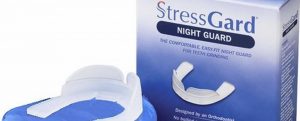
9. Remi Ultrasonic Cleaner Pro – Best for Night Guards
What problem does it solve? Odor and bacterial film on night guards.
Who is it best for? Nighttime grinders and clenchers.
What makes it different? It combines ultrasonic cleaning with a gentle tablet system the maker describes as persulfate-free. Night guards use thick, dense materials that trap odor. Check that the cleaner is compatible with your guard’s material.
What We Like
- Gentle on thermoplastics
- Reusable
- Good for daily maintenance
What to Consider
- Upfront cost
- Check material compatibility
Is it worth the price? Yes, if you wear a night guard nightly.
Who should skip it? Occasional wearers.
Reusable
10. Mouthpiece Doctor / DentaClean Spray & Soak – Best for Sports Mouth Guards
What problem does it solve? Gym-bag odor and bacteria.
Who is it best for? Athletes.
What makes it different? Spray-and-soak formats suit thick mouth guards that you use and store between sessions.
What We Like
- Fast
- Portable
- Easy to use
What to Consider
- Not for dentures
- May need frequent use
Is it worth the price? Yes, for regular athletes.
Who should skip it? Denture wearers.
How to Choose the Best Denture Cleaner
Does Cleaning Power Matter Most?
For most people, no. Consistency matters more. Look for a product that handles plaque, stains, and odor. Heavy mineral deposits may need a stronger soak or professional cleaning.
Will It Damage My Denture Material?
Check compatibility for your type:
- Acrylic dentures: Compatible with most tablets and pastes.
- Metal partials: Some soaks can corrode metal.
- Flexible dentures: Often need gentler products.
- Soft liners: Harsh cleaners can break them down.
- Thermoplastics: Follow the maker’s instructions.
Which Cleaning Method Fits My Routine?
- Tablets: simple and cheap.
- Ultrasonic: reusable and hands-off.
- Paste: gentle and hands-on.
- Powders and solutions: strong and flexible.
How Easy Is It to Use?
Think about soak time, rinsing, and travel. A routine you’ll actually follow beats a “perfect” one you skip.
Is It Worth the Cost Over Time?
Divide the price by the number of cleanings. A machine costs more up front but has no refills. Tablets cost less up front but add up.
Best Denture Cleaner for Stains: What Actually Works?
Stains come from coffee, tea, wine, tobacco, food dyes, and mineral buildup. Brushing alone often misses stains in tiny scratches and grooves.
For most wearers, a stronger soak (like #2) or an ultrasonic machine helps more than brushing harder. Hard brushing can scratch dentures and make stains worse.
Quick comparison:
- Tablets: good for daily prevention.
- Powders: better for set-in stains.
- Ultrasonic: helps loosen deposits.
Do whitening cleaners work? They can lift surface stains. They can’t change the color of the denture material itself.
When do you need a professional? If tartar is hard, thick, or stains don’t improve after consistent cleaning, see your dentist.
Best Denture Cleaner for Smokers
Smoking leaves tar and nicotine that stick to dentures and turn them yellow or brown.
What to look for:
- A stronger formula aimed at heavy staining
- Regular deep-cleaning use
- Gentle brushing in between
Do ultrasonic cleaners help? They can help loosen buildup. They work best alongside a stain-targeting soak.
How often should smokers clean? Daily at minimum, with a deeper clean weekly or as needed.
Prevention tips:
- Rinse after meals and smoking
- Clean every day without skipping
- Schedule regular dental checkups
Best Denture Cleaner Machine: Are Ultrasonic Cleaners Worth It?
An ultrasonic cleaner uses high-frequency sound waves in water. The waves form tiny bubbles. The bubbles collapse against the surface. This is called cavitation. It helps loosen plaque and debris from grooves.
Do they remove stains? They can help loosen deposits. They’re less reliable on deep discoloration.
What to Look for in an Ultrasonic Denture Cleaner
- Frequency: around 40–45 kHz is common.
- Tank size: make sure your appliance fits.
- Cycle length: short cycles are convenient.
- Auto shutoff: a nice safety feature.
- Easy-clean tank: saves effort.
- Noise level: matters if you use it at night.
- Warranty: a sign of durability.
- UV-C light: a chemical-free extra step some models include. Look for it if you want an added sanitizing step, but treat germ-killing percentages as manufacturer claims unless independently tested.
Ultrasonic Denture Cleaner vs. Cleaning Tablets
| Feature | Ultrasonic Cleaner | Cleaning Tablets |
|---|---|---|
| Method | High-frequency vibrations | Chemical cleaning |
| Initial cost | Higher | Lower |
| Convenience | Automated cycle | Requires soaking |
| Reusable | Yes | No |
| Stubborn buildup | Can help loosen deposits | Depends on formula |
These methods can work together. A machine doesn’t replace brushing.
Best Denture Cleaner Paste: Is It Better Than Cleaning Tablets?
Denture paste is made for brushing dentures. Unlike ordinary toothpaste, it’s designed to be gentle.
Why not use regular toothpaste? Many toothpastes are too abrasive for acrylic. They can leave tiny scratches that trap stains and bacteria.
What to look for:
- Non-abrasive formula
- A soft denture brush
- Gentle, controlled brushing
Paste and tablets do different jobs. Paste helps with surface film. Tablets reach areas brushing misses. Together, they cover more.
Best Denture Cleaner for Invisalign
Aligners collect plaque, which leads to cloudiness and odor.
Can you use denture tablets? Not always. Some denture products aren’t designed for aligners. Follow Invisalign’s instructions.
Tablets vs. Cleaning Crystals: Crystals are made for aligners. Tablets may not be.
Ultrasonic? Some compatible systems exist. Check the maker’s guidance.
Avoid: hot water, harsh chemicals, and abrasive toothpaste.
Best Denture Cleaner for Retainers
Clear vs. Hawley: Clear retainers scratch easily. Hawley retainers have wire that needs gentle care.
How often? Daily.
Avoid: hot water and abrasive toothpaste, which can damage retainers.
Prevent cloudiness: rinse after wearing, clean daily, and store dry in a case.
Best Denture Cleaner for Night Guards
Night guards develop odor because saliva and bacteria build up in thick material.
Tablets vs. specialized cleaners: Tablets work for many people. Specialized cleaners can be gentler on thermoplastics.
Ultrasonic? Often suitable. Check your guard’s material.
Maintenance tips:
- Rinse every morning
- Brush gently
- Dry and store in a ventilated case
Best Denture Cleaner for Mouth Guards
Sports guards vs. night guards: Sports guards face more dirt and sweat. Night guards face more saliva buildup.
How to remove odor: rinse after use, clean with a compatible soak or spray, and let air dry.
Storage: use a ventilated case, not a sealed gym bag pocket.
How to Clean Dentures Properly
Step 1 – Rinse Your Dentures
Rinse under cool water to remove loose food.
Step 2 – Remove Denture Adhesive
Adhesive builds up on both dentures and gums. Leftover adhesive traps bacteria and makes cleaning harder.
- Soak dentures briefly to soften it.
- Gently brush it off with a soft denture brush.
- Use denture-safe adhesive removal wipes, such as Cleanadent wipes, or a denture paste designed to help with adhesive.
- Gently wipe your gums with a damp soft cloth.
Step 3 – Brush With a Denture Brush
Use a soft brush and denture paste. Avoid hard scrubbing.
Step 4 – Soak Using a Compatible Denture Cleaner
Follow the product’s directions for time and water temperature.
Step 5 – Rinse Thoroughly Before Wearing
Rinse well to remove cleaner residue.
Step 6 – Store Your Dentures Properly
Keep them moist in water or a denture-safe solution when not in use.
Instructions vary by material and manufacturer. Check with your dentist.
Denture Cleaning Tablets vs. Ultrasonic Cleaners vs. Paste
| Feature | Tablets | Ultrasonic | Paste |
|---|---|---|---|
| Cleaning performance | Good for daily use | Good in crevices | Good on surface film |
| Stain removal | Moderate | Moderate | Mild to moderate |
| Odor control | Good | Good | Moderate |
| Convenience | Easy | Very easy | Hands-on |
| Cost | Low ongoing | High upfront | Low |
| Material compatibility | Check label | Generally broad | Gentle |
| Best use | Daily soak | Hands-off routine | Daily brushing |
What Should You Avoid When Cleaning Dentures?
- Hot or boiling water: can warp dentures.
- Abrasive toothpaste: can scratch acrylic.
- Unapproved bleach: can damage materials and irritate tissue.
- Harsh household chemicals: not designed for your mouth.
- Stiff brushes: scratch surfaces.
- Incompatible products on metal or flexible dentures: some can corrode or degrade them.
- Ignoring persulfate warnings: check ingredient labels if you have sensitivities.
How Often Should You Clean Your Dentures?
Clean them daily. Rinse after meals, brush at least once a day, and soak as directed (often overnight). Clean extra when food or debris builds up.
Remove dentures at night unless your dentist advises otherwise. This gives your gums a rest.
Can You Use Denture Cleaner on Other Dental Appliances?
Sometimes, but not always.
- Invisalign: use aligner-specific products or follow Invisalign’s instructions.
- Clear retainers: gentle, retainer-safe cleaners are best.
- Night guards: check material compatibility.
- Sports mouth guards: spray or soak products work well.
- Partial dentures: check for metal parts before using strong soaks.
Always check the appliance’s instructions first.
Frequently Asked Questions
What is the best denture cleaner overall?
For most wearers, a gentle effervescent tablet like Efferdent is a solid starting point. It’s affordable, easy to use, and handles daily plaque and odor. If you have stains or sensitivities, one of the other picks may fit better.
What is the best denture cleaner for removing tough stains?
A professional-strength powder soak like ProTech is designed for stubborn coffee, tea, wine, and mineral stains. Results vary, and very deep stains may need professional cleaning.
What is the best denture cleaner for smokers?
A concentrated cleaner built for nicotine and tobacco staining, like Smile Again, is worth considering. Use it with daily brushing. Cleaners remove surface stains but don’t undo smoking’s effects on gum health.
Do ultrasonic denture cleaners really work?
They can help. Cavitation loosens plaque and debris from crevices. They work best alongside brushing, and results vary by model.
Are denture cleaning tablets better than ultrasonic cleaners?
Neither is better for everyone. Tablets cost less up front. Ultrasonic machines are reusable and hands-off. Many people use both.
Can I use denture cleaner on Invisalign?
Not always. Some denture products aren’t designed for clear aligners. Use aligner-specific products or follow Invisalign’s care instructions.
What is the best denture cleaner for retainers?
A gentle retainer-specific tablet, like Retainer Brite, works well for many clear and Hawley retainers. Avoid hot water and abrasive toothpaste.
Can I use denture cleaner on my night guard?
Sometimes. Check your night guard’s material and the cleaner’s label. Specialized night guard cleaners are often a safer choice.
What is the best denture cleaning paste?
A non-abrasive paste made for dentures, like Fresh ‘n Brite, is a good option. It cleans gently without scratching acrylic.
How often should I clean my dentures?
Daily. Rinse after meals, brush daily, and soak as directed. Clean more often if debris builds up.
Can denture cleaners remove nicotine stains?
They can help lift surface nicotine stains. Deep or old discoloration may need professional cleaning.
Is it safe to leave dentures in cleaning solution overnight?
Only if the product is designed for overnight use, like Efferdent Overnight. Follow the label, and rinse well before wearing.
Can I use regular toothpaste to clean dentures?
It’s usually not recommended. Many toothpastes are abrasive and can scratch dentures. Use a denture-specific paste.
Do ultrasonic denture cleaners kill bacteria?
They help remove plaque and bacteria from surfaces. Some models add UV-C light. Germ-killing claims come from manufacturers, so treat them with some caution.
Which Is the Best Denture Cleaner for You?
Here’s the short version:
- Best overall: Efferdent for a simple daily routine.
- Best for stains: ProTech for tough discoloration.
- Best for smokers: Smile Again for nicotine buildup.
- Best hands-off option: An ultrasonic machine like cariPRO, or a compact unit like iSonic or Zima for travel.
- Best for other appliances: Invisalign Cleaning Crystals, Retainer Brite, Remi, or a spray-and-soak for sports guards.
If your priority is simplicity, start with a daily tablet and a soft brush. If you want less effort over time, a machine is worth considering. Either way, small habits done daily protect your dentures and your mouth better than occasional deep cleans.
Before you buy, check material compatibility and any ingredient concerns. If you have persistent irritation, odor, or stains, talk with your dentist.
If one of these picks matches your routine, it’s worth checking the latest prices and specs before you decide. Many shoppers find that picking a routine and sticking with it for a couple of weeks is the easiest way to see the difference.
Ready to Find Your Perfect Cleaner?
Your best routine starts with the right product. Pick the one that fits your needs and see the difference a consistent clean can make.