SnoreRx Review: An Adjustable Anti-Snoring Mouthpiece Worth Considering
SnoreRx is worth considering if you want an adjustable, non-CPAP option for reducing snoring. The mandibular advancement design can work well for many users, but comfort, fit, and the adjustment period all matter. Before you buy, it’s worth looking past the near-perfect scores on SnoreRx’s own site and weighing the independent complaints too — especially the ones about customer service, shipping, and returns.
Quick Verdict
SnoreRx is a solid, adjustable mandibular advancement device (MAD) for adults with primary snoring who want a lower-cost alternative to a custom dental appliance. The 1mm micro-adjustment system is the standout feature, letting you find a comfortable setting gradually rather than forcing your jaw into one fixed position. The main trade-offs are an adjustment period, possible jaw soreness, and a notable volume of independent customer-service complaints. For most sleepers with primary snoring, though, it’s one of the stronger sub-$100 options worth trying first.
4.1 / 5
Adjustable, non-CPAP snoring relief
$59.99 (standard)
30-night money-back guarantee
Best for Adjustable Snoring Relief
SnoreRx
An FDA-cleared mandibular advancement device with a Posi-Lock ratchet system that lets you adjust jaw advancement in precise 1mm increments up to 6mm. Boil-and-bite fitting molds it to your teeth, and the conservative starting setting makes the adjustment period more manageable for first-time MAD users.
A strong, affordable choice for adults with primary snoring who want adjustability without paying for a custom dental appliance.
Adjustable 1mm increments
Boil-and-bite fit
30-night guarantee
Available on direct purchases from the manufacturer.
Here’s what we found:
- SnoreRx is an adjustable mandibular advancement device (MAD) designed for people who snore.
- It works by gently moving your lower jaw forward, which can help keep your airway more open.
- Many users report a real reduction in snoring, and some partners report sleeping better too.
- The biggest drawbacks are the adjustment period, occasional jaw soreness, and a wave of customer service complaints on independent review sites.
- There’s also a step-up model, SnoreRx Plus, that costs more but offers a hinged design and easier cleaning.
SnoreRx Reviews: Our Ratings at a Glance
| Category | Rating |
|---|---|
| Effectiveness | ★★★★☆ |
| Comfort | ★★★☆☆ |
| Adjustability | ★★★★★ |
| Ease of fitting | ★★★★☆ |
| Cleaning | ★★★☆☆ |
| Durability | ★★★★☆ |
| Value for money | ★★★★☆ |
| Overall | ★★★★☆ (4.1/5) |
These scores are based on the product’s design, publicly available customer feedback across multiple platforms, and how SnoreRx compares with similar devices. We didn’t average SnoreRx’s own review score into this rating, since first-party reviews tend to skew positive.
What Is SnoreRx and How Does It Work?
SnoreRx is an oral appliance made by Apnea Sciences, designed to reduce snoring. It falls into a category called a mandibular advancement device, or MAD for short. In plain terms, that means it holds your lower jaw slightly forward while you sleep.
Why Moving Your Jaw Forward Can Help
When your jaw relaxes back during sleep, it can narrow the space at the back of your throat. That narrower space is often what causes the soft tissue to vibrate — which is what produces the sound of snoring. Pushing the jaw forward, even slightly, can open that space back up.
SnoreRx → moves the lower jaw forward → widens the airway → reduces soft tissue vibration → can mean less snoring.
We’re careful with the wording here on purpose. SnoreRx can reduce snoring for many users, but it isn’t a guaranteed fix, and it isn’t a cure for sleep apnea. More on that distinction later.
The Posi-Lock Adjustment System
One detail that sets SnoreRx apart from cheaper, one-size mouthpieces is its Posi-Lock ratchet mechanism. It lets you move your jaw forward in small, 1-millimeter increments, up to about 6mm of total advancement. In practice, this matters because jumping straight to the most aggressive setting is one of the most common reasons people find MADs uncomfortable. Starting conservative and adjusting gradually tends to work better for most sleepers.
SnoreRx vs. SnoreRx Plus: Which One Should You Buy?
If you’ve searched for SnoreRx reviews, there’s a good chance you’re also trying to decide between the standard version and SnoreRx Plus. We’re putting this comparison early because if you’re already this far into your research, you’re probably close to deciding.
| Feature | SnoreRx | SnoreRx Plus |
|---|---|---|
| Design | Rigid single-track frame | Hinged, dual-pivot design |
| Vertical jaw movement | No | Yes (limited) |
| Micro-adjustment | 1mm increments, up to 6mm | Same 1mm system |
| Cleaning | Fixed upper/lower trays | Detachable trays, easier to clean |
| Bulkiness | Thinner, less bulky | Slightly bulkier |
| FDA-cleared for OTC use | Yes | Yes |
| Price | $59.99 | $99.99 |
| Best for | Budget-conscious first-time buyers | Buyers who want more flexibility and easier cleaning |
Pricing reflects what’s listed on the manufacturer’s site at the time of writing. Prices can change, so it’s worth double-checking before you buy.
What’s the Real Difference?
The core mechanism — the 1mm micro-adjustment system — is the same on both devices. The real differences are in comfort and maintenance. SnoreRx Plus adds a hinge that allows some side-to-side and vertical jaw movement, which can ease pressure on the jaw joint for some sleepers. It also comes apart for cleaning, which the standard SnoreRx doesn’t.
Is SnoreRx Plus Worth the Extra Money?
If your priority is keeping costs down and you don’t have a history of jaw discomfort with other mouthpieces, the standard SnoreRx is a reasonable starting point. If you’ve tried a MAD before and struggled with rigidity or difficulty cleaning it, SnoreRx Plus is the more comfortable option — you’re paying roughly $40 more for that flexibility.
Who Can — and Can’t — Use SnoreRx?
This is a step a lot of affiliate reviews skip, and it matters. A mandibular advancement device isn’t the right fit for everyone.
SnoreRx tends to be a good fit for:
- Adults with primary (non-apnea) snoring
- People looking for a non-CPAP option
- People who want an adjustable device rather than a fixed mouthpiece
- Travelers who want something more compact than a CPAP machine
- Buyers who don’t want to spend hundreds of dollars on a dentist-made appliance
Based on how MADs generally work and the dental risks associated with this category of device, SnoreRx probably isn’t a good fit if you have:
- Loose teeth, crowns, bridges, or full dentures
- Active TMJ (jaw joint) pain or a history of TMJ disorders
- Severe nasal congestion or a significantly deviated septum — if you can’t breathe well through your nose, holding your jaw forward with your mouth partially closed can be uncomfortable or even feel like you’re not getting enough air
- Anyone under 18, since the jaw is still developing
If any of these apply to you, it’s worth talking to a dentist or doctor before trying any MAD, not just SnoreRx. If you’re specifically dealing with mouth-breathing-related snoring, our guide to the best anti-snoring devices for mouth breathers walks through alternatives that may fit better.
SnoreRx Mouthpiece Reviews: What Are Customers Saying?
Rather than repeating individual testimonials, it’s more useful to look at the patterns that show up across reviews.
Positive Themes
- Noticeable reduction in snoring, in some cases within the first few nights
- Partners reporting quieter, more restful sleep
- A lower price point compared with a custom, dentist-made MAD
- The adjustability, which lets users fine-tune the fit over time
- Some users needing a short adjustment period before things felt comfortable
SnoreRx’s own review page shows thousands of verified reviews with a very high average rating. That’s a useful signal, but it’s also a first-party one.
Negative Themes
Independent reviews and complaint sites tell a more mixed story. Common complaints include:
- Jaw soreness, especially in the first week or two
- The device feeling bulky, particularly for smaller mouths
- Drooling, since the jaw is held slightly open
- Fit problems if the boil-and-bite process doesn’t go well the first time
- Durability concerns after several months of nightly use
- The device loosening or falling out for some sleepers
Are SnoreRx Reviews Legit?
Reviews on SnoreRx’s own website are real, but they’re first-party — meaning the company controls what’s published. Independent platforms like Trustpilot show a very different picture: complaint volume there is notably higher, with many centered on customer service rather than the device itself. Neither source tells the whole story on its own. The more useful approach is to look for patterns across both, rather than treating either extreme as definitive.
SnoreRx Complaints: What Are the Main Problems?
Comfort and Jaw Pain
Most jaw soreness shows up in the first week and tends to ease as your jaw adjusts to the new position. If you’re waking up with noticeable stiffness, it’s usually a sign to back off the advancement setting rather than push through it. Some users find gentle jaw stretches in the morning — opening and closing slowly a few times — help the discomfort pass faster.
Fit Problems
SnoreRx uses a boil-and-bite fitting process, similar to a mouthguard. That process is fairly forgiving — most versions can be reheated and remolded if the first attempt doesn’t turn out well — but it still isn’t a perfect substitute for a professionally fitted appliance. Some users get an excellent fit on the first try; others need a second attempt.
Durability Concerns
Because the device is worn every night, it’s naturally handling a lot of chewing pressure and moisture. Reports of trays wearing down or the hinge weakening tend to increase after several months of use, which is worth keeping in mind if you grind your teeth at night.
Customer Service and Order Complaints
This is where SnoreRx’s independent reviews diverge most from its on-site reviews. Recent third-party feedback includes complaints about delayed shipping, unresponsive support, and difficulty processing refunds or returns. It’s important to be fair here: these are individual customer reports, not proof that everyone will run into the same issues. But the volume and consistency of these complaints is high enough that it’s worth going in with realistic expectations about support responsiveness, and keeping records of your order in case you need to follow up.
Comfort, Side Effects, and the Adaptation Period
How Long Does It Take to Get Used to SnoreRx?
For most sleepers, the adjustment period runs somewhere between three and seven nights. It’s common to feel some jaw tightness or notice more saliva than usual during that stretch. One uncomfortable night doesn’t necessarily mean the product isn’t working for you — it often just means your jaw and mouth are still adapting.
Common Side Effects
- Morning jaw stiffness, usually easing within 15–30 minutes of waking
- Mild drooling, most noticeable in the first week or two
- Dry mouth, particularly for people who breathe through their mouth at night
- Minor tooth pressure, which should be mild and temporary rather than sharp or persistent
Does SnoreRx Work?
Does SnoreRx Stop Snoring?
Many users report a real reduction in snoring, and some report it stopping altogether. Results vary, though, because snoring has more than one cause.
How Effective Is SnoreRx?
Effectiveness tends to depend on:
- What’s actually causing the snoring (jaw position, tongue position, or airway anatomy all play a role)
- Sleeping position — snoring is often worse on your back
- Nasal congestion, since a blocked nose changes how you breathe overnight
- Alcohol use, which relaxes throat muscles
- Body weight, since extra tissue around the neck can narrow the airway
- Whether the device is fitted and adjusted correctly
How Long Does SnoreRx Take to Work?
Some users notice a difference the very first night. For most sleepers, though, it takes a few nights of gradual adjustment to find the setting that works. Starting at the initial, lowest setting and moving up 1mm at a time — rather than jumping to a more aggressive position right away — tends to produce a more comfortable result.
Does SnoreRx Help With Sleep Apnea?
This section deserves extra care, because snoring and sleep apnea aren’t the same thing.
Snoring is a sound. Obstructive sleep apnea (OSA) is a medical condition where breathing repeatedly stops and starts during sleep, and it needs proper diagnosis and management.
SnoreRx is cleared by the FDA for over-the-counter use in reducing snoring. That clearance is specifically about snoring — it isn’t the same as being approved as a primary treatment for diagnosed sleep apnea. Some oral appliances can play a role in OSA treatment, but that decision should be made with a sleep specialist, not based on a snoring mouthpiece alone. If you’re unclear on the distinction, our overview of sleep apnea is a good place to start.
SnoreRx Pros and Cons
What We Like
- Adjustable in small, precise increments
- Custom boil-and-bite fit
- Non-CPAP option for primary snoring
- More affordable than a dentist-made MAD
- Compact and easy to pack for travel
- FDA-cleared for OTC use in reducing snoring
- 30-night money-back guarantee when purchased directly from the manufacturer
What to Consider
- Takes time to adjust to, and some users never fully get comfortable with it
- Can cause jaw soreness, especially early on
- Feels bulky for some sleepers, particularly those with smaller mouths
- May cause drooling
- Fit isn’t guaranteed to be ideal for every mouth shape
- Durability complaints after several months of nightly use
- A notable number of independent complaints about customer service, shipping, and returns
How to Fit SnoreRx
- Read the instructions first. The boil-and-bite process is time-sensitive, so it helps to know each step before you start.
- Boil water and let it cool slightly, keeping a bowl of cold water nearby for the next step.
- Submerge the mouthpiece for the manufacturer’s recommended time to soften the material.
- Bite down and mold it, centering your bite and pressing the sides against your teeth for a firm impression.
- Set it in cold water to lock in the shape.
- Check the fit. It should feel snug against your teeth without excessive pressure in any one spot.
- Start at the initial, lowest advancement setting rather than jumping to a more aggressive position.
- Adjust gradually, moving forward in small increments only if needed after a few nights.
- Stop and reassess if you notice sharp pain, numbness, or a fit that feels consistently wrong — don’t force it.
How to Clean SnoreRx
- Rinse the device with cool water after every use.
- Brush gently with a soft toothbrush, following the manufacturer’s cleaning instructions.
- Avoid boiling water after the initial fitting — it can distort the mold you’ve already created.
- Let it air-dry completely before storing it in its case.
- Check periodically for cracks, warping, or wear, especially if you grind your teeth at night.
- Replace the device roughly every 9–12 months, sooner if you notice damage or a looser fit.
We’d avoid recommending specific cleaning products beyond mild soap and water unless you’ve confirmed they’re safe for the device’s material.
How Much Does SnoreRx Cost?
| Item | Price |
|---|---|
| SnoreRx (Standard) | $59.99 |
| SnoreRx Plus | $99.99 |
| Money-back guarantee | 30 nights (manufacturer’s site) |
| Custom dentist-made MAD (for comparison) | Often $1,500–$2,500+ |
Compared with a professionally fitted oral appliance from a dentist, SnoreRx is a fraction of the cost. It’s worth confirming current pricing and any active promotions on the manufacturer’s site before buying, since prices and bundle offers do shift.
Who Should Buy SnoreRx?
- Adults who snore and want a non-CPAP option to try first
- People comfortable with a boil-and-bite fitting process
- Buyers who want to fine-tune the fit themselves rather than rely on a fixed setting
- Travelers who want a compact device
- Anyone looking for a lower-cost alternative to a custom dental appliance
- People with loose teeth, dentures, bridges, or significant dental work
- Anyone with active TMJ pain
- People with severe nasal congestion who breathe primarily through their mouth
- Anyone expecting a guaranteed fix rather than a device that works well for many, but not all, sleepers
- People with suspected, untreated sleep apnea who haven’t been evaluated by a doctor
Who Should Consider SnoreRx Plus Instead?
If comfort, easier cleaning, and a bit more flexibility in the fit matter more to you than saving money, SnoreRx Plus is the better pick. The extra $40 mostly buys you a hinge that allows some vertical movement and trays that come apart for cleaning — both of which can matter if you’ve struggled with rigid mouthpieces before.
Best for Comfort & Easy Cleaning
SnoreRx Plus
The same 1mm micro-adjustment system as the standard SnoreRx, but with a hinged dual-pivot design that allows limited side-to-side and vertical jaw movement. Detachable trays make cleaning significantly easier, which matters if you’ve struggled with maintenance on rigid MADs in the past.
Worth the extra $40 if comfort and easy cleaning matter more than keeping costs down.
Hinged design
Detachable trays
SnoreRx Alternatives
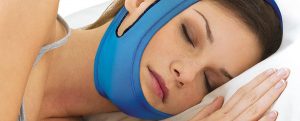
SnoreRx isn’t the only option on the market, and it isn’t automatically the right fit for everyone. If you want a broader look at the category, our guide to the best anti-snoring devices covers mouthpieces, chin straps, nasal options, and more.
| Product | Type | Best For | Price Range | Our Rating |
|---|---|---|---|---|
| SnoreRx | MAD | Budget-conscious first-time buyers | $$ | ★★★★☆ |
| SnoreRx Plus | MAD | Buyers wanting more comfort and easier cleaning | $$$ | ★★★★☆ |
| VitalSleep | MAD | Buyers who prioritize warranty coverage | $$ | ★★★★☆ |
| ZQuiet | Hinged mouthpiece | Simpler, pre-set fitting | $$ | ★★★☆☆ |
| SnoreMeds | MAD | Lower-cost entry point | $ | ★★★☆☆ |
| Dentist-made MAD | Custom MAD | Maximum customization | $$$$ | ★★★★★ |
If you’re weighing SnoreRx directly against a specific competitor, our head-to-head comparisons break down the differences in detail: SnoreRx vs. ZQuiet and VitalSleep vs. SnoreRx both walk through fit, comfort, and adjustability differences worth knowing before you buy. For a wider view of the category, our guide to the best anti-snoring mouthpieces covers options beyond just these two.
SnoreRx Reviews: Frequently Asked Questions
Is SnoreRx worth the money?
For many sleepers with primary snoring, yes — it’s a lower-cost, adjustable option worth trying before committing to a custom dental appliance. It’s not the right fit for everyone, particularly people with dental issues or TMJ pain.
Does SnoreRx really work?
Many users report a real reduction in snoring, though results vary depending on the underlying cause and how well the device is fitted.
Is SnoreRx safe?
It’s FDA-cleared for over-the-counter use in reducing snoring. That said, it isn’t a good fit for people with certain dental conditions, TMJ disorders, or severe nasal congestion, so it’s worth checking those factors first.
How long does SnoreRx last?
Typically around 9–12 months with regular nightly use, though this can vary based on teeth grinding and how well it’s cared for.
Does SnoreRx help sleep apnea?
SnoreRx is cleared for reducing snoring, not as a standalone treatment for sleep apnea. If you have diagnosed or suspected OSA, talk with a sleep specialist about appropriate treatment.
Can SnoreRx replace CPAP?
Not on the basis of snoring alone. Any change to CPAP treatment should go through a doctor.
Is SnoreRx FDA cleared?
Yes, both SnoreRx and SnoreRx Plus are FDA-cleared for over-the-counter use in reducing snoring.
What’s the difference between SnoreRx and SnoreRx Plus?
The core adjustment mechanism is the same. SnoreRx Plus adds a hinge for some vertical jaw movement and detachable trays for easier cleaning, at a higher price.
How long does it take to get used to SnoreRx?
For most sleepers, somewhere between three and seven nights.
Can SnoreRx damage your teeth?
Any MAD carries some risk of minor tooth movement over long-term use, which is why it’s not recommended for people with loose teeth, dentures, or significant dental work. If you have concerns, it’s worth checking with a dentist before starting.
Does SnoreRx cause jaw pain?
Some users experience mild jaw soreness, especially during the first week or two. Starting at a lower advancement setting and increasing gradually tends to reduce this.
Can I return SnoreRx?
The manufacturer offers a 30-night money-back guarantee on direct purchases. Independent reviews suggest the return process itself has been a pain point for some customers, so it’s worth keeping order confirmations and following up in writing if needed.
What are the biggest SnoreRx complaints?
Beyond comfort and fit, the most consistent independent complaints center on customer service — slow shipping, unresponsive support, and friction around refunds.
Final Verdict: Should You Buy SnoreRx?
Our Verdict
SnoreRx is one of the stronger adjustable, sub-$100 anti-snoring mouthpieces on the market. The 1mm Posi-Lock adjustment system is what genuinely sets it apart from cheaper one-size mouthpieces, and the boil-and-bite fit gets most users reasonably close to a custom feel without the dentist price tag. The trade-offs are real — an adjustment period, possible jaw soreness, and a notable volume of independent customer-service complaints — but for adults with primary snoring, it’s a worthwhile first option before spending hundreds on a custom MAD.
You want an adjustable, affordable oral appliance and you’re willing to spend a few nights getting used to it.
You want vertical movement and easier cleaning, and you’re willing to pay more for it.
You have significant dental or jaw issues, can’t tolerate oral appliances, or need professional management for diagnosed sleep apnea.
Ready to Try SnoreRx?
If your biggest goal is a lower-cost, adjustable way to reduce snoring, SnoreRx is one of the stronger options to consider — just go in with realistic expectations about the adjustment period and the customer service experience some buyers have reported.