The Bottom Line
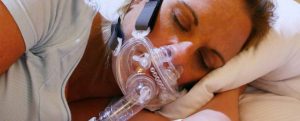
If you’ve tried CPAP therapy and given up, comfort was probably the reason — not the diagnosis, and not your willpower. “Comfortable” isn’t just about how quiet a machine is. It depends on how you sleep, your prescribed pressure, your mask, how dry your mouth gets overnight, and whether you’re setting up at home or packing for a trip.
After comparing 7 leading CPAP and APAP machines, the ResMed AirSense 11 AutoSet wins for most people thanks to its built-in heated humidifier, gentle AutoRamp, and app-guided setup. For quieter operation, the React Health Luna G3 Auto is the standout. For travel, the Transcend Micro Auto is unbeatable at under a pound.
✓ No sponsored rankings
✓ Updated 2025
Table of Contents
- Quick Picks & Comparison
- Why Comfort Is the #1 Reason People Quit CPAP
- What Is the Most Comfortable CPAP Machine?
- ResMed AirSense 11 AutoSet
- Best for Side Sleepers
- ResMed AirSense 10 AutoSet
- React Health Luna G3 Auto
- Fisher & Paykel SleepStyle Auto
- Transcend Micro Auto
- How We Chose
- What Makes a CPAP Machine Comfortable?
- Most Comfortable CPAP for Side Sleepers
- Machine vs. Mask: Which Matters More?
- How to Make Your CPAP More Comfortable
- How to Choose
- Are More Expensive Machines More Comfortable?
- FAQ
- Final Verdict
Why Comfort Is the #1 Reason People Quit CPAP
If you’ve tried CPAP therapy and given up, there’s a good chance comfort was the reason — not the diagnosis, and not your willpower.
“Comfortable” isn’t just about how quiet a machine is. It depends on how you sleep, your prescribed pressure, the mask you’re using, how dry your mouth and nose get overnight, and whether you’re setting up a machine at home or packing one for a trip. Two people with the exact same prescription can have very different experiences with the same device.
This guide compares seven CPAP and APAP machines across the factors that actually affect comfort: pressure delivery and exhalation relief, noise, humidification, mask compatibility, ease of use, size, and how each one handles sleeping positions. We’ll also cover what to do if your discomfort is coming from your mask rather than your machine, since that’s one of the most common — and most fixable — mix-ups in CPAP therapy.
How we evaluated comfort:
- Pressure comfort (auto-adjustment, exhalation relief, ramp)
- Noise, for both you and a bed partner
- Humidification and heated tubing
- Mask compatibility
- Ease of use (controls, cleaning, setup)
- Size and hose management
- Data and app support
- Value relative to features
Quick Picks: Most Comfortable CPAP Machines
| CPAP Machine | Best For | Comfort Feature | Noise | Travel | Action |
|---|---|---|---|---|---|
| ResMed AirSense 11 AutoSet | Overall comfort | Built-in heated humidifier, AutoSet algorithm, AutoRamp | ~27 dB | Compact for full-size | Check Price |
| ResMed AirSense 10 AutoSet | Value | Same AutoSet/EPR comfort as the 11, lower price | Comparable to 11 | Slightly heavier | Check Price |
| React Health Luna G3 Auto | Quiet operation | Integrated heated tubing, pre-heat function | Under 26–28 dB | Under 4 lbs, not FAA-approved | Check Price |
| Fisher & Paykel SleepStyle Auto | Dry mouth & nasal comfort | ThermoSmart heated tubing, 7-step humidity, SensAwake | ~28 dB | Not a travel unit | Check Price |
| Transcend Micro Auto | Travel | Waterless humidification, EZEX relief, WhisperSoft muffler | ~27–31 dB | Under a pound, FAA-approved | Check Price |
A ranking by manufacturer spec sheet alone doesn’t tell you much. What matters is how each machine actually feels over a full night — how it responds when your breathing changes, whether the air feels dry by 3 a.m., and whether the hose gets in your way when you roll over. That’s the lens we used below.
What Is the Most Comfortable CPAP Machine?
There’s no single spec that decides this. Comfort comes from several features working together:
- Pressure delivery that matches your breathing. Auto-adjusting (APAP) machines change pressure in real time instead of holding one fixed number all night.
- Exhalation pressure relief. A brief pressure drop when you breathe out, so exhaling doesn’t feel like pushing against a wall of air.
- A gentle ramp. Starting at a lower pressure and building up gradually helps many people fall asleep more easily.
- Humidification and heated tubing. These reduce the dry mouth, nasal irritation, and “rainout” (condensation dripping in the hose) that cause a lot of people to quit therapy early.
- Low operating noise, which matters for you and for anyone sharing the bed.
- A compact, well-designed body that’s easy to control and doesn’t take over the nightstand.
- Mask compatibility, since a machine is only as comfortable as the mask connected to it.
- Data and app support, so you and your clinician can see what’s working.
Comfortable CPAP machine vs. comfortable CPAP mask
This distinction matters more than most buying guides let on. If you’re waking up with a sore face, leaking air, or dread putting your mask on, the machine is probably not your problem — the mask is. Machine-related discomfort tends to show up as noise, dryness, or a pressure that feels jarring. Mask-related discomfort tends to show up as marks on your skin, air leaks, or claustrophobia.
Best Overall
ResMed AirSense 11 AutoSet
App-Guided Setup
Side Sleepers
The AirSense 11 pairs ResMed’s AutoSet algorithm with a built-in heated humidifier, so it adjusts pressure to your breathing while also managing moisture. AutoRamp technology gradually builds pressure rather than jumping straight to your prescribed setting, and an AutoSet Response comfort mode offers gentler pressure increases for people who find sudden jumps hard to tolerate.
The most complete comfort package for most CPAP users — especially first-timers.
Pros
- Auto-adjusting pressure with a genuinely gentle ramp
- Integrated humidifier; optional heated tubing
- Touchscreen and app support make setup easier
- Compact enough to double as occasional travel machine
- Includes both AutoSet and AutoSet for Her algorithms
Cons
- Touchscreen adds a point of potential failure
- Full humidification setup is bulkier than travel units
- Costs more than the previous generation
Who It’s For
Best suited for these sleepers:
- First-time CPAP users who want guided setup
- Anyone who wants app-based coaching
- Side sleepers with a compact nightstand
- Users who want both standard and For Her algorithms
Skip It If You…
- Prefer a simple dial interface
- Need to pack extremely light for travel
Warranty: 2-year standard
Pressure Range: 4–20 cm H2O

Best for Side Sleepers
ResMed AirSense 11 AutoSet (Side Sleeper Setup)
Low-Profile Mask Users
We’re featuring the AirSense 11 again here because side-sleeper comfort depends less on which brand you choose and more on how the whole setup — machine, hose, and mask — comes together beside the bed.
For side sleeping specifically, look at:
- Footprint. A smaller base means less to work around on a crowded nightstand.
- Hose position. Where the tubing exits the machine affects how much it tugs at your mask when you roll over.
- Noise near a bed partner. Side sleepers are often closer to a partner’s side of the bed.
- How well the setup tolerates movement. Some hose designs pull the mask off-seal more easily than others.
For side sleepers, the mask often has a bigger impact on comfort than the CPAP machine itself.
A low-profile nasal pillow mask with a short, flexible tube typically causes far fewer problems for side sleepers than a bulky full-face mask, regardless of which machine is powering it.
Pros
- Compact base fits crowded nightstands
- Quiet operation near a bed partner
- Wide mask compatibility for side-sleeper masks
- AutoSet algorithm handles position changes smoothly
Cons
- Still bulkier than a dedicated travel unit
- Mask choice matters more than machine choice here

Best Value & Pressure Comfort
ResMed AirSense 10 AutoSet
Replacing Existing Unit
Dial-Interface Fans
ResMed has phased the AirSense 10 out of its own retail channels in favor of the 11, but it’s still widely stocked by CPAP suppliers and DME providers, and clinics continue to prescribe it. It uses the same core AutoSet algorithm and Expiratory Pressure Relief (EPR) as the newer model, which means the actual pressure-comfort experience is very similar. What you give up is the touchscreen, the newer app coaching features, and some of the design refinements.
For someone whose main comfort concern is pressure response rather than app features, that’s a reasonable trade.
On pressure comfort specifically, both the 10 and 11 offer:
- Auto-adjusting pressure between roughly 4–20 cm H2O
- Expiratory pressure relief during exhale
- A ramp setting for gradual pressure buildup at sleep onset
Pros
- Full auto-adjusting therapy at a lower price
- Reliable, well-documented track record
- Dial controls many users find simpler than a touchscreen
- Same core AutoSet/EPR pressure comfort as AirSense 11
Cons
- No longer sold directly by ResMed
- Slightly heavier and bulkier than AirSense 11
- Lacks newer app-based coaching tools
Who It’s For
- Budget-conscious shoppers
- People replacing an existing AirSense 10
- Users who don’t need the newest features
Skip It If You…
- Want guided in-app setup coaching
- Need the smallest possible footprint

Quietest
React Health Luna G3 Auto
Couples
Bed Partner Approved
Machine noise and mask noise are easy to confuse. A mask with a poor seal can hiss or whistle regardless of how quiet the machine itself is — so if a “quiet” CPAP still sounds loud, check your mask fit before blaming the motor.
That said, the Luna G3 Auto’s motor is genuinely quiet, with several independent reviews and the manufacturer citing sound levels under roughly 26–28 decibels depending on pressure setting — quieter than a typical whisper. It includes integrated heated tubing and a pre-heat function that warms the humidifier before you even start therapy, along with SensAwake-style detection that can ease pressure if it senses you’ve woken during the night.
Pros
- Consistently rated among the quieter machines
- Integrated heated tubing with pre-heat option
- Lightweight (under 4 lbs) for a full-featured machine
- SensAwake detection eases pressure on night wakings
Cons
- Not FAA-approved for in-flight use
- App and data ecosystem less developed than ResMed’s
- Smaller user community means fewer accessories
Bed Partner Approved
“The first CPAP that didn’t end with my partner moving to the guest room. The pre-heat function means I wake up to warm, moist air instead of a cold blast.”
Who It’s For
- Light sleepers bothered by machine noise
- Couples where noise has been a dealbreaker
- Anyone wanting pre-heat humidification
Skip It If You…
- Are a frequent flyer wanting one machine for home and air
- Want ResMed-level app integration

Best for Dry Mouth
Fisher & Paykel SleepStyle Auto
Nasal Irritation
Cold/Dry Climate
If your biggest complaint is waking up with a bone-dry mouth or a stuffy nose, humidification quality matters more than almost any other spec. The SleepStyle Auto’s ThermoSmart heated tubing uses ambient temperature and humidity sensors to keep air moisture consistent, which is designed to reduce both dryness and the condensation (“rainout”) that can build up in unheated hoses. It also offers seven humidity settings rather than a simple low/medium/high dial, along with automatic exhalation pressure relief and a wake-detection ramp feature.
Pros
- Fine-grained humidity control (seven settings)
- ThermoSmart tubing reduces rainout noticeably
- Large, simple buttons easy to operate half-asleep
- SensAwake wake-detection ramp feature
Cons
- Heated tubing limited to F&P’s own ThermoSmart line
- App and data features less robust than ResMed’s myAir
- Not designed with travel as a priority
Who It’s For
- People whose main complaint is nasal or throat dryness
- Users in low-humidity climates or winter heating season
- Anyone fed up with simple low/med/high humidity dials
Skip It If You…
- Are a mouth breather whose dryness is actually a mask-leak issue — see our guides to CPAP masks for mouth breathers and full-face CPAP masks
- Need a travel-capable machine

Best for Travel
Transcend Micro Auto
Campers
Backup Machine Seekers
Your home machine works fine at home, but at under a pound with a footprint smaller than a soda can, a dedicated travel machine like the Transcend Micro solves a different comfort problem: not wanting to lug a 2–3 lb machine and a water chamber through airport security.
The Transcend Micro delivers full auto-adjusting therapy, plus EZEX exhalation pressure relief with three adjustable levels and a WhisperSoft muffler kit to cut down on the extra noise smaller travel motors tend to produce. It skips a traditional water tank in favor of an optional waterless heat-and-moisture exchanger (HME) accessory, and a 30-minute drying mode helps keep the hose and mask free of moisture between uses. It’s FAA-approved for in-flight use and compatible with a broad range of third-party masks, which sets it apart from more closed mask ecosystems.
Pros
- Genuinely pocket-sized without sacrificing APAP therapy
- Broad mask compatibility vs. closed-ecosystem travel machines
- Optional battery accessory for camping or long flights
- FAA-approved for in-flight use
- 30-minute drying mode for hose and mask maintenance
Cons
- No built-in water humidifier; waterless HME sold separately
- Muffler kit is another small part to pack and clean
- Smaller humidity ceiling may feel drier on multi-week trips
Who It’s For
- Frequent travelers and digital nomads
- Campers wanting a battery-compatible machine
- Anyone wanting a lightweight backup machine
Skip It If You…
- Rely heavily on strong humidification
- Don’t want to manage extra accessories (HME, muffler kit)
Free Download
The CPAP Comfort Cheat Sheet
Get our 1-page checklist for diagnosing whether your discomfort is coming from your machine, your mask, or your pressure settings — plus the 5 adjustments that fix most comfort issues in under 5 minutes.
No spam. Unsubscribe anytime. We respect your inbox.
How We Chose the Most Comfortable CPAP Machines
Pressure Comfort
We prioritized auto-adjusting (APAP) pressure over fixed pressure, since real-time adjustment tends to feel less jarring than a single fixed setting. We also looked for exhalation pressure relief and a genuinely gradual ramp, not just a marketing label.
Noise
We weighed both manufacturer-published decibel ratings and independent reviewer measurements, since lab conditions don’t always match a real bedroom. We also factored in how noise affects a bed partner, not just the user.
Humidification
Heated humidifiers and heated tubing both matter, but they solve slightly different problems: humidifiers add moisture, heated tubing prevents that moisture from condensing back out as rainout before it reaches you.
Mask Compatibility
A comfortable machine paired with an uncomfortable or leaking mask isn’t a comfortable CPAP setup, full stop. We noted which machines lock you into a specific mask ecosystem versus which ones work with a wide range of third-party masks.
Ease of Use
Controls, display readability, how easy the water chamber is to fill and clean, and whether setup requires a smartphone app all affect how sustainable therapy feels night after night.
Size and Hose Management
Especially relevant for side sleepers and travelers, where a bulky footprint or an awkwardly placed hose port can undo the comfort benefits of an otherwise good machine.
What Makes a CPAP Machine Comfortable?
Breaking the buying criteria down into practical terms:
- Automatic pressure adjustment. Instead of one fixed number all night, an APAP algorithm responds to your breathing in real time — lower pressure when your airway is open, more support when it detects resistance.
- Exhalation pressure relief. A brief pressure drop timed to your exhale, so breathing out doesn’t feel like pushing against a wall of air.
- Heated humidification. Adds moisture to reduce dryness in your nose, mouth, and throat.
- Heated tubing. Keeps that humidified air warm as it travels from the machine to your mask, which cuts down on condensation pooling in the hose.
- Quiet motor. Lower decibel ratings help both you and anyone sharing the bed.
- Comfortable mask compatibility. A machine that works with a wide range of masks gives you more room to find the right fit.
- Ramp and comfort settings. Gradual pressure buildup at the start of the night, and in some machines, wake-detection features that ease pressure if you stir.
- Compact design. Less to manage on a nightstand, and often easier to travel with.
What Is the Most Comfortable CPAP Machine for Side Sleepers?
This deserves its own answer, separate from any single product pick, because the “best” setup is really a combination of choices working together:
- Small bedside footprint — less to navigate around when you’re lying on your side.
- Flexible hose management — a swivel connector and a hose clip or arm reduce drag on the mask.
- Quiet operation — side sleepers are often closer to a partner.
- Low-profile mask — nasal pillow or slim nasal masks generally handle side sleeping better than bulky full-face designs.
- Minimal mask movement — a well-fitted headgear system keeps the seal intact as you shift position.
- Comfortable pressure delivery — auto-adjusting pressure and exhalation relief matter regardless of sleep position.
- Heated tubing — reduces condensation that can pool and drip if the hose dips below mask level, which happens more with side sleeping.
- Humidification — dryness complaints are common across all sleep positions, but side sleepers who breathe partly through their mouth against a pillow may notice it more.
CPAP Machine vs. CPAP Mask: Which Matters More for Comfort?
If you’ve upgraded your machine and you’re still uncomfortable, the mask is worth a hard look. The two sources of discomfort tend to show up differently:
Machine-Related Problems
- Pressure that feels jarring or inconsistent
- Motor or airflow noise
- Dry air, dry mouth, or nasal irritation
- Difficult controls or confusing settings
Mask-Related Problems
- Facial pressure marks or soreness
- Air leaks (often whistling or hissing sounds)
- Nose or skin irritation from contact points
- Mouth leaks during sleep
- Headgear discomfort
- Claustrophobia or feeling closed in
If your symptoms line up with the mask list, switching mask type often helps more than switching machines:
- Nasal pillows sit at the base of the nose and work well for people who feel claustrophobic in a full mask, though they’re less ideal for high-pressure prescriptions.
- Nasal masks cover the nose and offer a middle ground between minimal contact and full coverage.
- Full-face masks cover nose and mouth, which helps mouth breathers but can feel bulkier for side sleepers.
- Hybrid masks combine nasal pillows with a mouth seal, aimed at mouth breathers who still want minimal facial contact.
How to Make Your CPAP Machine More Comfortable
Before assuming you need a new machine, a few adjustments solve a surprising amount of discomfort:
- Adjust your humidity. Most machines let you fine-tune humidity in steps rather than an all-or-nothing setting — start in the middle and adjust from there.
- Try heated tubing, if your machine supports it, to cut down on rainout and cold-air discomfort.
- Use the ramp feature so pressure builds gradually instead of hitting full strength the moment you turn the machine on.
- Check for mask leaks. A hissing sound or air blowing into your eyes usually means a fit or seal issue, not a machine issue.
- Find the right mask size. Sizing varies by brand, and a mask that’s technically “your size” in one line may not fit the same in another.
- Manage the hose with a clip, arm, or overhead mount so it doesn’t tug at the mask when you move.
- Use a CPAP pillow if you’re a side or stomach sleeper dealing with mask pressure against a standard pillow.
- Give yourself time to adjust. Most people need a few weeks of consistent use before CPAP starts to feel normal rather than intrusive.
- Talk to your sleep clinician about persistent problems. Ongoing pressure discomfort, skin breakdown, or unresolved dryness are worth a follow-up rather than something to just tolerate.
How to Choose the Most Comfortable CPAP Machine for You
Rather than ranking machines in the abstract, match your biggest problem to the feature that addresses it:
| If your biggest problem is… | Look for… |
|---|---|
| Pressure discomfort | Exhalation relief / APAP |
| Noise | Quiet-rated motor |
| Dry nose or mouth | Heated humidification |
| Condensation in the hose | Heated tubing |
| Side sleeping | Compact setup + a low-profile mask |
| Traveling | Small size + optional battery |
| Mask leaks | A better-fitting mask, not a new machine |
| Mouth breathing | A full-face or hybrid mask setup |
| Claustrophobia | A minimal-contact mask |
Are More Expensive CPAP Machines More Comfortable?
Not necessarily. Premium machines add convenience features — touchscreens, app coaching, cellular data sharing, refined humidification control — but the most comfortable machine for you is the one that matches your prescribed therapy, your mask, and your routine. A budget-friendly APAP with solid exhalation relief and decent humidification can be just as comfortable, night to night, as a flagship model with a color touchscreen.
Where the extra cost tends to pay off:
- APAP vs. fixed CPAP: Auto-adjusting pressure generally feels smoother than a single fixed setting, and most current machines now include this as standard.
- Humidification quality: More granular humidity control and heated tubing reduce dryness and rainout more consistently.
- Noise: Newer motor designs in premium machines are often, though not always, quieter.
- Apps: Useful for tracking progress and troubleshooting, but not something that changes how the air actually feels.
- Travel features: Dedicated travel machines cost less than you’d expect relative to full-size premium models, since they trade some humidification capacity for size.
- Mask selection still matters more than machine price tier for most people’s day-to-day comfort.
Frequently Asked Questions
What is the most comfortable CPAP machine?
Based on our evaluation, the ResMed AirSense 11 AutoSet stands out for most users because it combines auto-adjusting pressure, built-in heated humidification, and app-guided setup in one compact machine. That said, “most comfortable” is genuinely individual — someone whose main issue is dryness may find the Fisher & Paykel SleepStyle Auto’s humidity control more comfortable in practice.
What is the most comfortable CPAP machine for side sleepers?
There isn’t one universal answer, since side-sleeper comfort depends heavily on mask choice and hose management as much as the machine itself. A compact machine like the AirSense 11 paired with a low-profile nasal pillow mask and a CPAP pillow tends to work well for most side sleepers.
Is a CPAP or APAP more comfortable?
For most people, APAP (auto-adjusting) feels more comfortable than fixed-pressure CPAP, since it responds to your breathing instead of holding one number all night. Some people on stable, well-titrated fixed pressure don’t notice much difference either way.
What CPAP machine has the least pressure discomfort?
Machines with strong exhalation pressure relief and a smooth auto-adjusting algorithm — like the ResMed AirSense 11 and 10, or React Health’s Luna G3 — tend to score well here. Your actual prescribed pressure range matters just as much as the machine.
How can I make my CPAP more comfortable?
Adjust your humidity setting, use the ramp feature, check your mask for leaks, and give your body a few weeks to adjust. If discomfort persists, talk with your sleep clinician rather than guessing at fixes.
Why is my CPAP machine uncomfortable?
It’s often not the machine at all — mask fit, air leaks, dryness, and an unmanaged hose cause more nightly discomfort than the actual pressure algorithm in most cases.
Does a CPAP machine need a humidifier?
Not strictly, but most people find humidified air significantly more comfortable, especially in dry climates or during winter heating season. Nearly all current machines include a humidifier as standard.
Does the CPAP mask matter more than the machine?
For a lot of users, yes. A well-fitted mask on a basic machine often feels more comfortable than a top-tier machine paired with the wrong mask.
What is the quietest CPAP machine?
Among the machines here, the React Health Luna G3 Auto and dedicated travel units like the Transcend Micro’s WhisperSoft-equipped configuration rate among the quietest in independent reviews, though actual bedroom noise also depends on mask seal. See our full breakdown in Quietest CPAP Machine.
Final Verdict: Which Is the Most Comfortable CPAP Machine?
There’s no single winner here — the right answer depends on which comfort problem you’re actually trying to solve.
Best for Side SleepersAirSense 11 + low-profile mask
Best for Pressure ComfortResMed AirSense 10 AutoSet
Best for Dry AirFisher & Paykel SleepStyle Auto
Best for TravelTranscend Micro Auto
Best ValueResMed AirSense 10 AutoSet
QuietestReact Health Luna G3 Auto
If you’re not sure where to start, work backward from your biggest complaint rather than from a spec sheet. A machine that solves your specific problem — noise, dryness, side sleeping, or travel — will usually feel more comfortable than one that simply scores well on paper. And if you’ve already tried a new machine and comfort still isn’t there, it’s worth checking your mask fit before assuming the device is the issue.
Ready to Find Your Most Comfortable CPAP?
Start with the ResMed AirSense 11 AutoSet for the best all-around comfort — or match your biggest complaint to one of our specialized picks above.