Quick Verdict: Best Wireless Bedwetting Alarms
Nobody wants to be woken up three times a night untangling a wire from a pajama leg. That’s the main reason so many families are switching to wireless bedwetting alarms. A wireless alarm still uses a small moisture sensor, but instead of a cord running from the underwear to a bedside box, the sensor talks to the receiver over a short-range wireless signal. That means fewer tangled cords, more freedom to roll over during the night, and — for parents — the option to keep a receiver in their own room so they can hear it even with the door closed.
- Best Overall: Rodger Wireless Bedwetting Alarm — Sensor briefs eliminate clip slippage.
- Best for Deep Sleepers: Chummie Wireless / Shield Prime — Multi-tone sound + strong vibration.
- Best Value: DryEasy Wireless Bedwetting Alarm — Reliable core features at a budget price.
- Best Watch-Style: WobL Vibrating Watch Alarm — Discreet vibration-only alert for teens and adults.
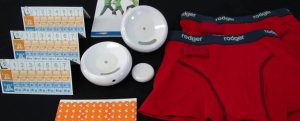
Our Top Pick: The Rodger Wireless Bedwetting Alarm is our top overall recommendation for most households. It uses sensor briefs instead of a clip, so there’s nothing pinching fabric or slipping loose during a restless night. The receiver can sit in a parent’s room, and it’s built for the months of consistent nightly use that training actually requires.
- Quick Picks: Best Wireless Bedwetting Alarms
- What Is a Wireless Bedwetting Alarm?
- How Does a Wireless Bedwetting Alarm Work?
- Wireless vs. Wired Bedwetting Alarms
- Clip-On Sensors vs. Smart Underwear
- Detailed Reviews
- Buyer’s Guide: What Features Matter?
- Setup, Usage & Troubleshooting
- Common Wireless Alarm Problems
- How Long Does It Take to Work?
- Wireless Bedwetting Alarms for Adults
- Are Wireless Bedwetting Alarms Safe?
- Frequently Asked Questions
- Final Verdict
Quick Picks: Best Wireless Bedwetting Alarms
Before you buy one, you’re probably weighing a few things: How comfortable is it? How far can the signal travel through the house? Is it loud enough to wake a deep sleeper? Does it hold up night after night? And will setup be simple enough that a tired parent (or a tired teenager) can actually manage it?
This guide walks through the best wireless bedwetting alarms for kids, adults, and deep sleepers, explains how the alarms work, and covers the setup and troubleshooting details that most reviews skip. The goal is to help you find an alarm that fits your household — not just the one with the flashiest marketing.
| Product | Best For | Alarm Type | Wireless Range | Vibration | Sensor Type | Price Range | Warranty |
|---|---|---|---|---|---|---|---|
| Rodger Wireless Bedwetting Alarm | Best overall / best for kids | Sound + optional light | Whole-home | Available on select models | Sensor briefs (smart underwear) | Mid-to-premium | Manufacturer warranty |
| DRI Sleeper Eclipse | Best for restless & younger sleepers | Sound | Medium-to-long range | No (sound only) | Compact silicone clip sensor | Mid-range | Manufacturer warranty |
| Chummie Wireless / Shield Prime | Best for deep sleepers | Multi-tone sound + strong vibration | Long range | Strong, adjustable | Clip-on sensor | Mid-to-premium | Manufacturer warranty, often with trial period |
| DryEasy Wireless Bedwetting Alarm | Best value / budget pick | Sound, multiple tones | Long range (commonly cited up to 50–70 ft) | Basic vibration on some models | Clip-on sensor | Budget-friendly | Standard warranty |
| WobL Vibrating Watch Alarm | Best watch-style option for teens & adults | Vibration only | Worn on body (no separate receiver) | Strong, adjustable | Clip-on sensor with wrist unit | Mid-range | Manufacturer warranty |
| Night Guard Wireless Bedwetting Alarm | Best simple setup | Sound | Medium range | Limited | Clip-on sensor | Budget-to-mid | Standard warranty |
(Check current pricing, exact specs, and availability on the retailer’s product page before buying — features and warranties can change.)
Our Top Pick
The Rodger Wireless Bedwetting Alarm is our top overall recommendation for most households.
- It uses sensor briefs instead of a clip, so there’s nothing pinching fabric or slipping loose during a restless night.
- The receiver can sit in a parent’s room, which helps during the early weeks when a child needs help waking up.
- It’s built for consistent nightly use over several months, which is what the training process actually requires.
It isn’t the cheapest option on this list, and if budget is your main concern, the DryEasy alarm further down is worth a look instead.
What Is a Wireless Bedwetting Alarm?
A wireless bedwetting alarm is a conditioning device that helps a sleeper wake up at the first sign of wetness, so the brain gradually learns to respond to a full bladder before an accident happens.
The “wireless” part refers to how the sensor talks to the alarm. A wired alarm uses a cord that runs from the underwear, up through the pajama top, to a clip-on box. A wireless model swaps that cord for a small radio signal, so the sensor and the receiver are two separate pieces that never touch.
Most wireless systems have three basic parts:
- Moisture sensor — sits against the underwear (either clipped on or built into sensor briefs) and detects the first drops of moisture.
- Wireless transmitter — a small unit that sends a signal to the receiver as soon as the sensor is triggered.
- Alarm receiver — plugs in bedside, sits on a nightstand, or is worn as a watch, and produces sound, vibration, or both.
Some models add a fourth piece: a parent unit, which lets a caregiver hear the alarm from another room. This is especially useful in the first few weeks, when most sleepers don’t wake up on their own yet.
How Does a Wireless Bedwetting Alarm Work?
At a basic level, the process is simple:
- The sensor detects the first bit of moisture.
- A wireless signal travels to the receiver.
- The receiver sounds an alarm, vibrates, or both.
- The sleeper wakes up and finishes in the bathroom.
- The alarm resets, and the same process repeats the next night.
What matters more than the mechanics is why it works. A bedwetting alarm isn’t a device that prevents wetting on its own — it’s a training tool. Over time, most sleepers start to associate the feeling of a full bladder with waking up, even before the alarm goes off. That association is the actual goal. It usually takes weeks of consistent use, not one or two nights, which is why sticking with it matters more than which specific brand you choose.
Wireless vs. Wired Bedwetting Alarms
| Feature | Wireless Alarm | Wired Alarm |
|---|---|---|
| Freedom of movement | Excellent — no cord to catch on | Limited — cord can tangle during sleep |
| Setup | Usually a bit more involved (pairing) | Usually simpler, fewer parts |
| Wires in bed | None | Yes |
| Portability | Good for travel and sleepovers | Lower — cord adds bulk |
| Parent receiver | Often available | Less common |
| Cost | Usually higher | Usually lower |
| Best for | Restless sleepers, kids, adults who want a parent unit | Budget-conscious buyers |
Which type is better? For most families, wireless is worth the extra cost because it removes the cord — which is often the thing that causes a child to unclip the sensor mid-sleep or wake up simply because they rolled over onto it. If price is the deciding factor and comfort isn’t a major issue, a wired alarm can still get the job done.
Clip-On Sensors vs. Smart Underwear: Which Sensor Style Is Better?
This is one detail most buying guides skip, and it makes a real difference in how comfortable the alarm feels night after night.
Clip-on sensors attach to the outside of regular underwear with a small clip. They’re inexpensive to replace, work with any underwear the sleeper already owns, and are the most common style on the market. The tradeoff is that a clip can shift out of place during a restless night, which sometimes leads to a missed or late alert.
Smart underwear (sensor briefs) have the moisture sensor built directly into the fabric, with snaps that connect to a small transmitter. Because the sensor doesn’t rely on a clip staying put, it tends to hold its position better for kids and adults who toss and turn. The tradeoff is a higher price, and the underwear needs to be replaced as the sleeper grows or as the fabric wears out.
In practice: if comfort and reliability during a restless night are the top priority, sensor briefs are usually worth the extra cost. If keeping ongoing costs down matters more, a clip-on sensor with a well-fitted pair of underwear works fine for most sleepers.
Best Wireless Bedwetting Alarms: Detailed Reviews
1. Rodger Wireless Bedwetting Alarm
What problem it solves: Sensor briefs eliminate the biggest complaint with clip-on alarms — the clip slipping during sleep and causing a missed alert.
Who it’s best for: Families who want the most reliable sensor connection and don’t mind paying more for it, and kids who move around a lot at night.
What makes it different: Instead of a clip, the moisture-sensing thread is woven into the underwear itself, so there’s nothing to reposition or lose in the sheets.
What We Like
- Sensor briefs stay in place better than clip-on designs
- Receiver can be placed in a parent’s room for early-stage help
- Designed for the months of consistent nightly use the training process requires
What to Consider
- Costs more upfront than clip-on alternatives
- Underwear needs replacing as a child grows
Is it worth the price? For most households, yes — the improved reliability tends to cut down on false negatives, which keeps the training process moving instead of stalling out from missed alerts.
Who should skip it: Anyone on a tight budget, or families who’d rather test the alarm-training approach with a cheaper clip-on model before committing to a pricier one.
2. DRI Sleeper Eclipse
What problem it solves: A compact, smooth sensor with no sharp edges or bulky clip that can dig in or catch on bedding.
Who it’s best for: Younger children and restless sleepers who need a sensor that stays comfortable through a lot of movement.
What makes it different: The sensor is small and rounded, which makes it less noticeable during sleep compared to bulkier clip designs.
What We Like
- Small, low-profile sensor
- Straightforward controls that are easy for parents to manage
- Reliable range for most bedroom-to-hallway setups
What to Consider
- Sound-only alarm — no vibration option, so it may not be strong enough for very deep sleepers
- Fewer alert customization options than premium models
Who benefits most: Younger kids just starting alarm training, where comfort is the priority and a moderate alarm volume is usually enough.
Who should skip it: Deep sleepers who need vibration in addition to sound — see the deep-sleeper pick below instead.
3. Chummie Wireless (Shield Prime)
What problem it solves: Deep sleepers often sleep through a single-tone alarm, especially in the first couple of weeks. This alarm addresses that with multiple tones and strong, adjustable vibration.
Who it’s best for: Kids or adults who have a history of sleeping through loud noises, alarms, or even a parent calling their name.
What makes it different: Multiple alarm tones can be rotated so the sleeper doesn’t fully habituate to one sound — a common issue called “alarm fatigue,” where the brain starts tuning out a repeated noise.
What We Like
- Strong, adjustable vibration paired with sound
- Multiple tone options to reduce habituation
- Long wireless range, useful in larger homes
What to Consider
- Higher price point than basic models
- The stronger vibration and volume may be more than a light sleeper needs
Is it worth the price? For a true deep sleeper, yes — a weaker alarm that doesn’t wake the sleeper defeats the purpose of the training, no matter how comfortable it is.
Who should skip it: Light sleepers who wake easily; a simpler, less intense alarm will likely do the job for less money.
4. DryEasy Wireless Bedwetting Alarm
What problem it solves: Gives budget-conscious families a genuinely reliable option without paying for premium extras they may not need.
Who it’s best for: Households trying alarm training for the first time, or anyone who wants solid core features without a premium price tag.
What makes it different: It covers the essentials — multiple sound options, adjustable volume, and a long wireless range — without the added cost of sensor briefs or advanced vibration modes.
What We Like
- Lower price than most competitors
- Multiple sound options and volume control
- Long enough range for most homes
What to Consider
- Vibration features are more basic than premium models
- Sensor build quality can feel less refined than higher-priced options
Who benefits most: Families who aren’t sure yet whether alarm training will be a good fit and want to test the approach before investing in a premium system.
Who should skip it: Sleepers who need the strongest possible vibration and multi-tone alerts — the deep-sleeper pick above is the better fit there.
5. WobL Vibrating Watch Alarm
What problem it solves: A discreet way to use an alarm without a bedside receiver or an audible sound that could wake a roommate, partner, or sibling.
Who it’s best for: Teens and adults who want privacy, and anyone sharing a room where a loud alarm isn’t practical.
What makes it different: Instead of a separate receiver, the alert comes through a wristwatch-style unit using vibration only.
What We Like
- Discreet — no bedside box or loud alarm sound
- Comfortable for travel, dorms, or shared bedrooms
- Strong, adjustable vibration
What to Consider
- No backup sound alert, so very deep sleepers may not notice vibration alone
- The watch has to be worn correctly each night to work
Who benefits most: Adults and older teens who are motivated and consistent about wearing the watch, and who prioritize discretion over having a backup sound alarm.
Who should skip it: Younger children, or deep sleepers who are more likely to respond to sound plus vibration together rather than vibration alone.
6. Night Guard Wireless Bedwetting Alarm
What problem it solves: Some families just want a straightforward alarm without a long list of settings to configure.
Who it’s best for: Parents who want an easy, no-fuss setup and a dependable sound alert.
What makes it different: A basic bedside receiver paired with a clip-on transmitter — fewer components generally means fewer things that can go wrong during setup.
What We Like
- Simple to pair and use
- Budget-friendly
- A solid entry-level option for first-time alarm training
What to Consider
- Fewer sound and vibration options than premium models
- Wireless range is more limited than some competitors, which matters in larger homes
Who benefits most: Families trying alarm training for the first time who want the simplest possible setup.
Who should skip it: Anyone in a larger home who needs a longer wireless range, or deep sleepers who need stronger vibration.
Buyer’s Guide: What Features Actually Matter?
Moisture Sensor
Look for a sensor that’s sensitive enough to catch the first few drops (not a full accident), sits comfortably against the body, and is easy to reattach correctly each night. A sensor that’s uncomfortable or fussy to reposition is a sensor that eventually gets skipped.
Wireless Range
If the receiver will sit in a parent’s room down the hall, or if the household is in a larger home, range matters more than it might seem. Look for a range that comfortably covers the distance between the child’s room and wherever the receiver will actually sit — not just the distance across a single room.
Sound and Volume
Multiple sound options and adjustable volume help avoid the alarm fatigue mentioned earlier, where a sleeper stops responding to the same repeated tone. For deep sleepers, volume matters more than variety.
Vibration
Vibration is especially useful for sleepers who share a room, since it can wake the intended person without waking everyone else nearby. It’s also a helpful backup for sleepers who don’t respond reliably to sound alone.
Battery Life
Some alarms use replaceable batteries, others are rechargeable. Replaceable batteries are convenient for travel since there’s no need to plan around a charging cable, while rechargeable units cut down on ongoing battery costs.
Comfort and Sensor Style
As covered above, sensor briefs tend to stay in place better for restless sleepers, while clip-on sensors are more affordable and flexible.
Age Appropriateness
Most pediatric guidance points to age 5 to 7 as a reasonable starting point for alarm training, and many clinicians don’t recommend starting much earlier. Younger children often aren’t developmentally ready to connect the alarm with the feeling of a full bladder, which can lead to frustration for both the child and the parent without much progress. If your child is under 5, it’s worth checking with a pediatrician before starting.
Reliability
Consistent activation and a stable wireless connection matter more than almost any other feature, since a missed or late alert undermines the entire training process.
Setup, Usage & Troubleshooting
How to Set Up a Wireless Bedwetting Alarm
- Charge the unit or install fresh batteries.
- Attach the moisture sensor — either clipping it to underwear or snapping the transmitter to sensor briefs.
- Position the sensor where it will make contact with moisture quickly, usually at the front of the underwear.
- Pair the transmitter with the receiver or watch, following the manufacturer’s instructions.
- Test the alarm with a few drops of water before the first night, to confirm the connection works.
- Adjust sound and vibration settings based on how deep a sleeper the person is.
- Reset the alarm after each activation so it’s ready for the next night.
The Parent’s Role: Why the First Few Weeks Matter Most
This is the part most product pages leave out, and it’s arguably the most important piece of the whole process.
Bedwetting alarms work through conditioning, not automatically. In the first one to three weeks, many kids — especially deep sleepers — don’t wake up on their own when the alarm goes off. That’s normal, not a sign the alarm is broken. During this stage, a parent often needs to go in, wake the child, and walk them through finishing in the bathroom and resetting the sensor.
Over time, most kids start waking up on their own, and eventually many start waking up before the alarm goes off at all, as the brain-bladder connection strengthens. Skipping this early hands-on stage is one of the most common reasons alarm training doesn’t work — not a flaw in the device itself.
Cleaning and Maintenance
Wipe the sensor down after each use and let it dry fully before the next night. Follow the manufacturer’s instructions for how much moisture the transmitter and receiver can handle, since these are electronics and shouldn’t be submerged unless specifically rated for it. Replace batteries as needed, and periodically check that the clip or snap connection hasn’t loosened with wear.
What to Do If the Alarm Fails to Trigger
Check that the sensor made good contact with moisture and wasn’t dislodged during the night. Confirm the batteries are working, and re-pair the transmitter and receiver if the connection seems unreliable. If an alarm consistently fails to trigger even after these checks, it’s worth reaching out to the manufacturer or considering a different sensor style.
Common Wireless Bedwetting Alarm Problems
Alarm doesn’t go off — Check sensor placement, confirm batteries are fresh, and re-pair the transmitter and receiver.
Alarm goes off too easily — Check that the sensor isn’t being triggered by sweat or a loose fit rather than actual wetness, and adjust positioning if needed.
Child sleeps through the alarm — Add vibration if the current setup is sound-only, and have a parent help with waking during the first few weeks. For consistently deep sleepers, a stronger multi-tone alarm like the Chummie Wireless may be a better fit.
Wireless connection keeps dropping — Check the distance between sensor and receiver, replace batteries, and re-pair the devices.
Sensor is uncomfortable — Check the fit and placement first. If discomfort continues, switching from a clip-on sensor to sensor briefs often solves the problem.
How Long Does It Take for a Bedwetting Alarm to Work?
Results vary quite a bit from child to child. Some sleepers respond within a few weeks, while others need a couple of months of consistent nightly use before seeing a real change. Occasional wet nights during this process don’t mean the alarm has failed — that’s a normal part of the learning curve, not a signal to give up.
If there’s been no improvement at all after about two to three months of consistent, correct use, it’s a reasonable time to check in with a pediatrician or healthcare provider rather than continuing to guess. Consistency matters more than which specific alarm is used, so sticking with the routine every night — including resetting after false alarms and helping the sleeper wake up during the early weeks — tends to matter more than any single feature.
Wireless Bedwetting Alarms for Adults
Bedwetting in adults is more common than most people realize, and it isn’t something to treat as a behavioral problem or something to be embarrassed about. For many adults, an alarm can still be a useful conditioning tool, especially discreet wearable options like a vibrating watch that don’t require a visible bedside receiver.
That said, new-onset or persistent bedwetting in an adult can sometimes point to an underlying medical issue — things like a urinary tract infection, sleep disorder, or other condition worth ruling out. If bedwetting is new, worsening, or paired with other symptoms, it’s worth talking to a doctor before relying solely on an alarm.
Are Wireless Bedwetting Alarms Safe?
Generally, yes — these are low-voltage devices designed for routine home use. A few practical safety notes:
- Follow the manufacturer’s instructions for battery type and charging.
- Don’t use a unit with a damaged cord, connector, or rechargeable battery.
- Keep the sensor and transmitter dry beyond what the manufacturer specifies as safe.
- Store and dispose of batteries properly, especially with younger children in the house.
One thing to keep in mind: if bedwetting is new, has recently gotten worse, or comes with other symptoms like pain or unusual thirst, it’s worth checking in with a healthcare provider rather than assuming an alarm alone will resolve it. This article is meant as a general buying guide, not medical advice for a specific situation.
Ready to start alarm training? Our top pick combines comfort and reliability for most families.
Frequently Asked Questions
What is the best wireless bedwetting alarm?
Based on comfort, reliability, and parent-receiver options, the Rodger Wireless Bedwetting Alarm is our top overall pick. For deep sleepers, the Chummie Wireless is a stronger fit thanks to its multi-tone sound and strong vibration.
Are wireless bedwetting alarms better than wired alarms?
For most households, yes — wireless models remove the cord that can tangle or cause a child to unclip the sensor overnight. Wired alarms can still make sense if cost is the main priority.
Do wireless bedwetting alarms work for deep sleepers?
They can, but a basic sound-only alarm often isn’t enough. Deep sleepers generally do better with strong vibration paired with a loud, adjustable alarm, plus a parent helping with waking during the first few weeks.
What is the best wireless bedwetting alarm for kids?
For younger or restless sleepers, the DRI Sleeper Eclipse‘s compact sensor is a comfortable option. For families who want the most reliable sensor connection, the Rodger’s sensor briefs are worth the extra cost.
What is the best wireless bedwetting alarm for adults?
The WobL vibrating watch is a discreet option for adults and teens who prefer vibration-only alerts without a bedside receiver.
How does a wireless bedwetting alarm work?
A sensor detects moisture and sends a wireless signal to a receiver, which sounds an alarm, vibrates, or both, waking the sleeper. Over weeks of consistent use, this helps train the brain to respond to a full bladder.
How do I set up a wireless bedwetting alarm?
Charge or install batteries, attach the sensor correctly, pair the transmitter with the receiver, and test it before the first night. Full setup steps are covered above.
How long does a bedwetting alarm take to work?
Anywhere from a few weeks to a couple of months of consistent nightly use, depending on the individual. Occasional setbacks are normal and don’t mean the approach has failed.
Can a wireless bedwetting alarm be used every night?
Yes — consistent nightly use is actually what makes alarm training effective. Skipping nights tends to slow progress.
Is a wireless bedwetting alarm watch worth it?
It’s worth considering for teens and adults who want discretion and don’t need a backup sound alarm. Younger children or very deep sleepers may do better with a sound-plus-vibration model instead.
What should I look for in wireless bedwetting alarm reviews?
Look past the star rating and check for recurring comments about false alarms, sensor reliability, wireless connection stability, comfort, and battery life. A single complaint might be an isolated issue, but the same complaint showing up again and again across many reviews is a pattern worth taking seriously.
Final Verdict: Which Wireless Bedwetting Alarm Should You Buy?
Our Recommendations
Best Overall
Rodger Wireless Bedwetting Alarm
Best for Kids & Restless Sleepers
DRI Sleeper Eclipse
Best for Deep Sleepers
Chummie Wireless (Shield Prime)
Best Value
DryEasy Wireless Bedwetting Alarm
Best Watch-Style Option
WobL Vibrating Watch Alarm
Best Simple Setup
Night Guard Wireless Bedwetting Alarm
There’s no single alarm that’s the right fit for every household — a deep sleeper who shares a room needs something different from a young child just starting out. If you’ve narrowed it down to one or two options from this list, it’s worth comparing current prices and checking the latest customer feedback before deciding.
Bedwetting Alarm Buyer’s Guide
Get our free checklist to help you choose the right alarm, set up a consistent training routine, and know what to expect in the first few weeks.
We respect your privacy. Unsubscribe at any time.
Your Next Step
The right alarm can make the training process smoother for everyone. If you want the most reliable sensor connection, start with our top overall pick.