Disclosure: SleepDeeper may earn a commission if you buy through links on this page. That doesn’t change what we recommend, and we list the drawbacks of every product. This article is general information, not medical advice. A dentist can tell you what’s causing your symptoms.
If you wake up with a sore jaw, a dull headache, or teeth that feel tender, you may be clenching or grinding in your sleep. This is called sleep bruxism. It’s common, and most people don’t know they do it until a partner hears the noise or a dentist spots the wear.
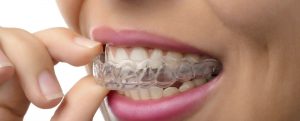
Over time, bruxism can wear down enamel, chip or crack teeth, strain the jaw, and cut into your sleep. A night guard is a thin plastic cover that sits between your upper and lower teeth. It doesn’t stop the clenching. It gives your teeth a cushion so they take less damage.
The best night guard for you depends on how hard you grind, how well the guard fits, what it’s made of, and whether you want an over-the-counter (OTC) option or a custom one. Below, we compare seven options for different needs and budgets, then explain how to choose between them.
One quick point before the picks. Good night guards cost far less than they used to. A dentist-made guard is often quoted at a few hundred dollars or more, while online custom guards from the brands below are commonly listed at roughly $100 to $220. We’ll show you where that gap is worth paying and where it isn’t.
Quick answer: For most sleepers with mild to moderate grinding or clenching, the Remi Custom Night Guard is the best overall pick. If you grind hard, choose the Chomper Labs Hard Guard. If comfort is your priority, the ClearClub 1.3mm is the slimmest custom option. Need protection tonight? The Plackers Grind No More costs the least.
Before you buy: If you snore loudly, gasp or choke in your sleep, or wake up tired no matter how long you sleep, talk to a doctor or dentist before wearing a guard every night. Sleep bruxism is sometimes linked to disrupted breathing, including obstructive sleep apnea, and a guard that changes how your jaw sits can make breathing harder for some people. See our safety section below.
Table of Contents
- Quick Picks: Best Night Guards
- Top Picks Reviewed
- Best Overall: Remi
- Best for Heavy Grinding: Chomper Labs
- Best for Clenching: ProTeethGuard
- Best OTC: DenTek
- Best Thin: ClearClub
- Best for Bottom Teeth: JS Dental Lab
- Best Budget: Plackers
- How to Choose
- Clenching vs. Grinding
- OTC Night Guards
- What a Guard Can and Can’t Do
- Signs You Need a Guard
- Getting Used to a Guard
- Cleaning and Maintenance
- Cost
- When to See a Dentist
- FAQ
- Final Verdict
Quick Picks: Best Night Guards for Teeth Clenching and Grinding
If you’re short on time, start here. Each pick is covered in detail in the next section, including who should skip it.
| Product | Best For | Type | Price Level | Arch Option | CTA |
|---|---|---|---|---|---|
| Remi Custom Night Guard | Best overall | Custom-fit, at-home impressions | $$ | Upper or lower | Check Price |
| DenTek Comfort Fit | Best OTC | Boil-and-bite / ready-to-wear | $ | Upper or lower | Check Price |
| Chomper Labs Hard Guard | Best for heavy grinding | Custom hard acrylic | $$$ | Upper or lower | View Details |
| ProTeethGuard Hybrid | Best for clenching | Custom dual-laminate | $$$ | Upper or lower | View Details |
| ClearClub 1.3mm | Best for comfort | Thin custom | $$ | Upper or lower | View Details |
| JS Dental Lab Lower Guard | Best for bottom teeth | Custom lower arch | $$ | Lower only | View Details |
| Plackers Grind No More | Best budget option | OTC | $ | Upper or lower | Check Price |
Price key: $ = under about $35. $$ = roughly $95 to $190. $$$ = roughly $150 to $220. Brands change prices, run promotions, and price by model, so check the current listing before you buy.
How we chose these products. We compared published specifications, thickness options, materials, fitting methods, guarantees, and customer feedback across dozens of listings. We weighed fit and protection first, then comfort, then price. We also checked which products offer a guarantee, because a guarantee lowers your risk if the fit isn’t right on the first try.
Best Night Guards for Teeth Grinding and Clenching (Top Picks)
Each review answers the same questions in the same order: what problem the product solves, who it’s best for, how it differs from similar products, its strengths, its limits, whether it’s worth the price, and who should skip it.
Which Is the Best Overall Night Guard for Teeth Clenching and Grinding?
Remi Custom Night Guard
Custom-fit, upper or lower
What problem it solves. Remi gives you a custom-fit guard without a dental visit. You make impressions at home with a kit, mail them back, and a lab makes guards from your teeth. That fit matters because a guard that sits snugly is easier to wear all night.
Who it’s best for. For most sleepers with mild to moderate grinding or clenching, Remi hits the best balance of fit, comfort, and price. It’s also a good first custom guard if you’ve tried drugstore guards and found them bulky.
What makes it different. Remi’s guards use a hard outer layer and a softer inner layer, and they’re offered in thin options (about 1.3mm and 2mm). Most plans include two guards, so you have a spare or can use one upper and one lower. Remi also sells a membership that sends replacements on a schedule at a lower price than buying them one by one. It’s described as an FDA-cleared Class II over-the-counter device, and its materials are listed as BPA-free.
Biggest strengths.
- Custom fit at a fraction of typical dentist pricing
- Two guards in one purchase on most plans
- Thin profile that helps if you hate bulky guards
- Fit guarantee (reported as 45 nights; confirm current terms)
- Replacement membership that can lower long-term cost
Limitations.
- Thin guards may wear through faster if you grind hard
- At-home impressions can take a second try; Remi has been reported to include extra impression kits
- Customer service reviews are mixed, so keep your order details handy
- Replacement memberships auto-renew, so set a reminder to skip or cancel
Is it worth the price? In most cases, yes. Listed prices have ranged from about $99 to $189 depending on options and timing, and two guards usually come in the box. Compared with a dentist-made guard, the savings can be large. Compared with a $25 drugstore guard, you’re paying for a better fit.
Who should skip it. If you break through guards quickly or have major dental damage, consider a thicker hard guard like the one in the next review. Also skip any at-home product until you’ve ruled out sleep apnea (see our safety section below).
What Is the Best Night Guard for Heavy Teeth Grinding?
Chomper Labs Hard Guard
Custom hard acrylic, upper or lower
What problem it solves. Heavy grinders can chew through thin plastic in months. Chomper Labs offers thicker, harder options built to take that wear.
Who it’s best for. If you’ve gone through guards before, wake up with a very sore jaw, or a dentist has told you your teeth show heavy wear, this is worth a close look.
What makes it different. Chomper Labs offers several designs (soft, hard, hybrid, and ultra-thin) in thicknesses reported from 1mm up to 3mm. Its materials are listed as BPA- and phthalate-free. The company advertises a 100-day return or refund window and a six-month warranty for broken guards, and it keeps your impressions on file for two years so reordering is easier. A fast-track option is available for an added fee.
Biggest strengths.
- Thickness choices so you can match the guard to your grinding
- Long guarantee window
- Free adjustment or replacement if the fit is off, according to the company
- Impressions kept on file for easy reorders
Limitations.
- Hard acrylic feels firmer and bulkier than soft or thin guards
- Costs more than Remi and ClearClub
- A thick guard can feel odd for the first week or two
Is it worth the price? If you grind hard, usually yes. A guard that lasts longer and protects better can cost less over a year than replacing cheap ones. If you only grind lightly, you’d be paying for protection you may not need.
Who should skip it. Light grinders and people who value a slim feel above all else may be happier with a thinner guard. Also worth considering if your priority is heavy-duty protection: JS Dental Lab’s Extra Durable guard is a strong alternative, with a hard 3mm option and a one-year satisfaction window.
What Is the Best Night Guard for Clenching?
ProTeethGuard Hybrid
Custom dual-laminate, upper or lower
What problem it solves. Clenching puts steady, heavy pressure on your teeth and jaw without much side-to-side grinding. The goal is to spread that pressure and cushion your teeth.
Who it’s best for. The ProTeethGuard Hybrid works well if you wake up with jaw tightness or temple headaches but your partner never hears grinding. If your jaw feels like it’s been working all night, this design is aimed at you.
What makes it different. A hybrid, or dual-laminate, guard has a hard outer shell and a soft inner layer. In practice, the soft layer cushions your teeth while the hard layer holds its shape under pressure. ProTeethGuard has a one- to two-week production time, according to published reviews, and has been described as comfortable to wear.
Biggest strengths.
- Soft inside, hard outside, which suits steady clenching pressure
- 60-day guarantee reported, with a 110% refund policy
- One-year replacement warranty reported on some models
- Comfortable for many wearers, based on its design and reviews
Limitations.
- Priced above Remi and ClearClub
- Hybrid guards are bulkier than thin guards
- Single-arch impressions mean the lab can’t check how your bite lines up
Is it worth the price? If clenching is your main issue, a hybrid design is a reasonable place to spend a little more. If your budget is tight, Remi’s hybrid-style construction at a lower price is a fair compromise.
Who should skip it. If you want the slimmest guard possible or you’re testing a guard for the first time, start with a cheaper option. You can always step up.
What Is the Best OTC Night Guard for Teeth Grinding?
DenTek Comfort Fit
Boil-and-bite / ready-to-wear, upper or lower
What problem it solves. You need protection tonight, or you want to try a guard before you spend more. DenTek is sold at many drugstores and online, so you don’t need to wait for a lab.
Who it’s best for. First-timers, mild grinders, and anyone who wants to test whether they can tolerate a guard at all. DenTek sells a few versions, including boil-and-bite styles, so check the label for the one you’re buying.
What makes it different. Boil-and-bite guards soften in hot water, then you bite into them to shape them to your teeth. DenTek’s guards are slimmer than many drugstore options and often include cushion pads. Expect to pay roughly $15 to $35, though prices vary by retailer.
Biggest strengths.
- Low cost and easy to find
- No waiting for a lab
- Good for testing whether a guard helps your symptoms
Limitations.
- Fit is looser than a custom guard
- Often bulkier and less durable
- Not designed for heavy grinders
- Fitting takes some care. A poor mold can leave gaps
One thing to keep in mind about dental work. Boil-and-bite guards can grab onto loose crowns, bridges, or veneers, and they may interfere with braces or clear aligners. If you have significant dental work or are in orthodontic treatment, ask your dentist first.
Is it worth the price? As a short-term or trial option, yes. As a long-term fix for hard grinding, in most cases a custom guard is a better value.
Who should skip it. Skip it if you have crowns, bridges, implants, or braces, if you grind heavily, or if you’ve had jaw pain for weeks. A custom guard or a dentist visit makes more sense.
What Is the Best Thin Night Guard for Comfortable Sleeping?
ClearClub 1.3mm
Thin custom, upper or lower
What problem it solves. Many people quit night guards because they feel bulky, make them gag, or make it hard to swallow. A thin guard helps if comfort is the reason you’ve given up before.
Who it’s best for. Mild to moderate grinders and clenchers who want the least bulk possible. It also suits light sleepers who wake up when something feels off.
What makes it different. ClearClub offers custom guards in 1.3mm, 2mm, and 3mm thicknesses, so you can start slim and size up. Its materials are listed as free from BPA and latex. ClearClub guards are FSA/HSA eligible, and the company has been reported to send a free new impression kit if the fit isn’t right. Production is often listed at about five business days after your impressions are approved.
Biggest strengths.
- Very slim option for sleepers who dislike bulk
- Three thickness choices
- Free-of-BPA and latex materials
- FSA/HSA eligibility
Limitations.
- Thin guards wear out faster under heavy grinding
- Refund windows have been reported as 30 to 60 days, so confirm the current terms
- Less cushioning than a hybrid guard
Is it worth the price? If comfort is what gets you to actually wear the guard, yes. A guard that stays in your mouth all night protects better than a stronger one you leave on the nightstand.
Who should skip it. Heavy grinders and people with significant tooth wear should consider a thicker hard or hybrid guard instead.
What Is the Best Night Guard for Bottom Teeth?
JS Dental Lab Lower Guard
Custom lower arch
What problem it solves. Some people find an upper guard bulky, or they gag when plastic sits on the roof of the mouth. A lower guard sits on the bottom teeth and leaves the palate free.
Who it’s best for. Sleepers who dislike upper guards and want a different feel. A lower guard can also make sense if your dentist recommends it for your bite.
What makes it different. JS Dental Lab makes custom guards in multiple thicknesses (reported as 1.5mm, 2.5mm, and 3mm) and materials, including hybrid and hard options. Its materials are listed as BPA- and phthalate-free. It offers a 365-day satisfaction guarantee, which is one of the longest in this category, and some of its impressions cover both arches so the lab can check how they meet. Listed prices have ranged from about $125 to $219 depending on model and timing.
Biggest strengths.
- Lower-arch option with a choice of materials and thickness
- Long guarantee window
- Free adjustments or replacements for fit problems, according to the company
- Fast turnaround reported by several reviewers
Limitations.
- Costs more than Remi
- A lower guard can feel strange on your tongue at first
- Lower guards may suit some bite patterns better than others
Is it worth the price? If an upper guard doesn’t work for you, yes. The long guarantee lowers your risk.
Who should skip it. If you have no problem with an upper guard, you probably don’t need to switch. If you’re unsure which arch to protect, ask a dentist, because the right choice depends on your bite.
What Is the Best Budget Night Guard for Teeth Grinding?
Plackers Grind No More
OTC
What problem it solves. You want protection at the lowest possible cost, whether to try a guard, travel with a spare, or cover a short gap before a custom guard arrives.
Who it’s best for. Occasional or mild grinders and anyone who needs a backup. It’s also a low-risk way to find out whether you can sleep with something in your mouth.
What makes it different. Plackers Grind No More is a drugstore-style guard that costs only a few dollars to about $20 depending on the pack and retailer. It’s the least expensive pick on this list.
Biggest strengths.
- Lowest price on this list
- Easy to find
- Good as a spare or travel guard
Limitations.
- Looser fit than custom guards
- Not built for heavy grinding
- Shorter lifespan, so replacement costs add up
Is it worth the price? For a short trial, yes. If you end up using it nightly for a year, the cost of replacing it can approach the price of a custom guard.
Who should skip it. Anyone with heavy wear, jaw pain, crowns, or braces, and anyone who needs it to last.
How to Choose the Best Night Guard for Teeth Grinding and Clenching
Not sure which type fits you? This section covers the choices that matter most. Reading it takes about five minutes and can save you from buying the wrong guard.
Should You Choose a Custom or Over-the-Counter Night Guard?
A custom guard is made from an impression or scan of your own teeth. A dentist can make one in the office, or you can order one online with an at-home impression kit. An OTC guard is a one-size-fits-most product you shape yourself, usually with hot water.
Custom guards fit more closely, feel slimmer, and tend to last longer. OTC guards cost less and are available the same day. For most sleepers with regular grinding or clenching, a custom guard is the better long-term choice. For a trial run or a short-term fix, OTC is reasonable.
A dentist-made guard makes the most sense if you have major dental work, jaw pain that isn’t improving, a complicated bite, or a history of cracked teeth. Dentists can also adjust the fit in person.
Are Soft or Hard Night Guards Better?
Soft guards are flexible and feel gentler at first. They can work for light grinding, but heavy grinders often chew through them. Some people also clench harder on soft material, which can defeat the purpose.
Hard guards are made from rigid acrylic. They last longer and hold their shape, which helps with heavy grinding. The trade-off is a firmer feel that takes more getting used to.
Dual-laminate (or hybrid) guards combine a soft inner layer with a hard outer layer. For many sleepers, this is the sweet spot between comfort and durability.
- Heavy clenching: a hard or hybrid guard is usually the better fit
- Mild grinding: a thin hybrid or soft guard can be enough
- Not sure: a hybrid guard is a sensible starting point
Should You Wear an Upper or Lower Night Guard?
Upper guards are the most common. They cover the top teeth, tend to stay in place well, and are what most dentists make by default.
Lower guards sit on the bottom teeth. They can feel less bulky for people who gag with an upper guard, and they leave the roof of your mouth free. Some people find them harder to keep seated.
Both can protect your teeth. What matters more is a snug fit and coverage of the full arch. If you can’t decide, a dentist can recommend one based on your bite.
What Thickness Should a Night Guard Be?
Common thicknesses run from about 1mm to 3mm. Thinner guards feel more comfortable and are easier to talk and swallow with. Thicker guards last longer and take more punishment.
Thicker doesn’t automatically mean better. A very thick guard can feel bulky enough that you take it out in your sleep. If you grind lightly, a 1.3mm to 2mm guard is usually enough. If you grind hard, 2.5mm to 3mm is worth considering.
What Should You Look for in a Good Night Guard?
Use this checklist when comparing products:
- Fit and retention: it should click into place and stay there without you biting down
- Full-arch coverage: it should cover all the teeth on one arch
- Comfortable material: the surface should be smooth, with no sharp edges
- Durability: it should match how hard you grind
- Material safety: look for BPA-free, phthalate-free, and latex-free materials, and for hypoallergenic options if you have sensitivities. Only trust claims the manufacturer actually states
- Compatibility with dental work: ask whether it’s safe with crowns, bridges, veneers, implants, braces, or clear aligners
- Easy cleaning: a smooth surface and a ventilated case help
- Clear warranty and return policy: a guarantee lowers your risk
That last point matters more than it seems. A fit guarantee means you can try a custom guard with less risk, and brands that publish clear terms are easier to trust.
What Is the Difference Between a Night Guard for Clenching and One for Grinding?
Clenching means squeezing your teeth together hard, often without moving them. Grinding means sliding your teeth back and forth. Many people do both, though one usually dominates.
Clenching tends to strain the jaw muscles and can cause temple headaches and a tight, tired jaw. Grinding tends to wear down the biting surfaces of teeth and can create flat spots and chips.
Can one guard cover both? In most cases, yes. A well-fitted hybrid or hard guard can protect against both. But the features that matter most differ:
- For clenchers: a snug fit and an even bite surface that spreads pressure. A softer inner layer may add comfort
- For grinders: durability and a smooth outer surface that lets your teeth slide without catching
If you’re not sure which you do, look at your symptoms. Jaw soreness and headaches point toward clenching. Worn or flattened teeth and noise point toward grinding. A dentist can tell you more from an exam.
Can an Over-the-Counter Night Guard Protect Against Teeth Grinding?
For some people, yes, at least for a while. An OTC guard puts a barrier between your teeth, which can reduce wear. But the fit is looser, and a guard that fits poorly can create its own problems.
What Types of OTC Night Guards Are Available?
- Boil-and-bite: softened in hot water, then shaped by biting
- Ready-to-wear: one size, no shaping needed
- Disposable: low-cost guards meant for short-term use
- Microwave-molded: heated in a microwave, then bitten into shape
What Are the Pros and Cons of OTC Night Guards?
Pros
- Low cost
- Available at drugstores and online
- Easy to test before you commit to a custom guard
Cons
- Looser, bulkier fit
- Shorter lifespan
- Not suited to heavy grinders
- Can cause bite or jaw discomfort if the fit is poor
- May not be safe with certain dental work
Should You Check for Sleep Apnea Before Buying a Night Guard?
Important: If you snore loudly, gasp or choke in your sleep, or wake up tired no matter how long you sleep, this matters. Sleep bruxism is sometimes linked to disrupted breathing, including obstructive sleep apnea. In some people, a guard that changes how the jaw sits can make breathing harder.
This doesn’t mean every guard is unsafe. It means that if you have these symptoms, it’s worth talking to a doctor or dentist before you start wearing a guard every night. If a sleep test finds apnea, treating it may also reduce the grinding. For more on sleep apnea and treatment options, see our guide to sleep apnea.
How Can You Tell Whether an OTC Guard Fits?
A good fit feels snug but not tight. It should stay on your teeth without you holding it with your jaw. You shouldn’t feel sharp pressure on any one tooth.
When Should You Stop Using an OTC Guard?
Stop and see a dentist if you notice persistent jaw pain, tooth pain, or a bite that feels different in the morning. Don’t force a guard that won’t seat properly. Results vary depending on your mouth, your mask or appliance use, and your sleeping position, and a poorly fitting device can do more harm than good.
Does a Night Guard Stop Teeth Clenching and Grinding?
No. A night guard protects your teeth. It doesn’t switch off the urge to clench or grind. You may still grind with a guard in, but the plastic takes the wear instead of your enamel.
That protection is still valuable. A guard can help prevent enamel wear and cracked teeth. For many sleepers, it can also reduce jaw soreness and morning headaches, though that benefit varies from person to person. If your symptoms don’t improve, talk to a dentist or doctor about other causes.
What Can’t a Night Guard Do?
It’s fair to set expectations. A night guard can’t cure bruxism, fix stress, treat sleep apnea, or repair damage that’s already done. Think of it as a seatbelt: it limits harm, but it doesn’t change how you drive. Pairing a guard with stress management, limiting caffeine and alcohol late in the day, and good sleep habits gives you more complete protection.
What Are the Signs You Need a Night Guard for Teeth Grinding?
Many people don’t realize they grind until symptoms pile up. Common signs include:
- Waking up with jaw soreness or tightness
- Morning headaches, especially around the temples
- Teeth that feel more sensitive than usual
- Flattened or worn-down teeth
- Chipped or cracked teeth
- Facial discomfort
- A partner hearing grinding noises
- Fillings or dental work that keeps breaking
If several of these sound familiar, a dentist can check for tooth wear and tell you whether bruxism is likely the cause. Catching it early gives you more options.
How Do You Get Used to Sleeping With a Night Guard?
Most people need a few nights to adjust. A few steps can make it easier:
- Follow the fitting instructions closely
- Wear the guard for an hour or two in the evening while you read or watch TV
- Then wear it overnight, starting with short stretches if you need to
- Check that it feels snug, not tight
- Don’t force a guard into place
- Clean it every morning and store it properly
- Call your dentist or the company if discomfort lasts more than a couple of weeks
Giving yourself time matters. Most people who stick with it through the first week or two find that the strange feeling fades, and the morning benefits give them a reason to keep going.
How Do You Clean and Maintain a Night Guard?
A clean guard lasts longer and is more pleasant to wear.
- Rinse it with cool or lukewarm water after each use
- Brush it gently with a soft toothbrush and mild, non-abrasive soap
- Skip regular toothpaste. It’s abrasive and can leave tiny scratches that trap bacteria
- Avoid hot or boiling water, bleach, and alcohol-based rinses, which can warp or damage the plastic
- For a deeper clean, use a non-abrasive denture or retainer cleaning tablet, following the package directions
- Let it air-dry completely before storing it
- Keep it in a ventilated case
- Check it for cracks, holes, and thin spots, and replace it when it shows wear or when your dentist or the manufacturer recommends
How Much Does a Night Guard Cost?
Prices vary a lot by type. Here’s what to expect in 2026, based on recent listings. Always confirm the current price before you buy, since brands update pricing and offer promotions.
| Type | Typical Price Range | What You Get | Best For |
|---|---|---|---|
| Dentist-made custom | Often a few hundred dollars to $500 or more | In-person fitting, lab-made guard, adjustments | Complex bites, significant dental work |
| Online custom | About $95 to $220 | At-home impressions, lab-made guard, guarantees | Most sleepers with mild to heavy grinding |
| OTC | About $10 to $35 | Boil-and-bite or ready-to-wear | Trial runs, short-term use, backups |
Dentist-made guards. The cost often includes the exam, impressions or scan, lab fees, and follow-up visits. Some dental insurance plans cover part of it, so it’s worth asking.
Online custom guards. You pay for the guard, shipping, and sometimes a replacement plan. Many are FSA/HSA eligible. Compare guarantees and replacement costs, not just the sticker price.
OTC guards. The upfront cost is low, but replacing them every few months can add up. Over a year, the gap between OTC and custom is often smaller than it looks.
When Should You See a Dentist About Teeth Grinding?
See a dentist if you have:
- Jaw pain or stiffness that doesn’t go away
- Cracked, chipped, or increasingly sensitive teeth
- A guard that keeps breaking
- A guard that causes discomfort or seems to change your bite
- Trouble opening or closing your mouth
- Symptoms that continue even with a guard
- Signs of sleep apnea, such as loud snoring or gasping
A dentist can look for the cause and recommend a guard or other treatment. That’s especially important if you have significant pain or dental damage.
Frequently Asked Questions About the Best Night Guard
What Is the Best Night Guard for Teeth Clenching?
For many clenchers, a custom hybrid guard is a strong choice because the soft inner layer cushions your teeth and the hard outer layer holds its shape under pressure. ProTeethGuard Hybrid is our top pick, and Remi is a lower-cost alternative. Results vary depending on your bite.
What Is the Best Night Guard for Teeth Grinding?
For most sleepers, a custom-fit guard offers the best balance of fit and durability. Remi is our best overall pick for mild to moderate grinding. If you grind hard, a thicker hard or hybrid guard from Chomper Labs or JS Dental Lab may last longer.
What Is the Best Night Guard for Heavy Grinders?
Heavy grinders usually do better with a thicker, harder guard, often 2.5mm to 3mm. Chomper Labs Hard Guard is our pick, and JS Dental Lab’s Extra Durable guard is another strong option. If you wear through guards quickly, a dentist can recommend the right material.
Are Hard or Soft Night Guards Better for Clenching?
In most cases, hard or hybrid guards work better for clenching. Soft guards can feel like something to bite into, which may make some people clench harder. A hybrid guard cushions your teeth while keeping a firm surface. If you’re unsure, ask a dentist.
Is an Upper or Lower Night Guard Better?
Neither is better for everyone. Upper guards are more common and usually stay in place well. Lower guards can feel less bulky if you gag with an upper one. What matters most is a snug fit and full-arch coverage. A dentist can recommend one for your bite.
Can You Wear a Night Guard on Your Bottom Teeth?
Yes. Lower guards are made by several custom brands, including JS Dental Lab. They protect your teeth the same way upper guards do. Some people find them more comfortable, while others find them harder to keep in place. Fit makes the biggest difference.
Are Over-the-Counter Night Guards Effective?
They can offer short-term protection for mild grinding. But the fit is looser, they wear out faster, and they may not suit heavy grinders or people with dental work. If you use one nightly for months, a custom guard is usually the better value.
Can a Night Guard Make Teeth Grinding Worse?
A poorly fitting guard can cause jaw discomfort or bite changes, and some people clench harder on soft guards. Guards can also be a problem for people with undiagnosed sleep apnea. If your symptoms get worse, stop using it and see a dentist.
How Long Does a Night Guard Last?
It depends on the material and how hard you grind. OTC guards often last a few months. Custom guards commonly last from about six months to a few years. Replace yours if it cracks, thins, or develops holes.
Can You Wear a Night Guard Every Night?
Yes, most people wear a night guard nightly, since bruxism happens during sleep. Clean it every morning and check it for wear. If you notice jaw pain or bite changes, check with your dentist.
Should a Night Guard Cover All Your Teeth?
In most cases, yes. Full-arch coverage spreads pressure evenly and helps the guard stay put. Partial coverage can leave some teeth exposed and may shift how your teeth meet. Look for a guard that covers the full upper or lower arch.
Can a Night Guard Help With Jaw Pain?
For many people, yes, because a guard reduces the strain from clenching and grinding. But it doesn’t treat every cause of jaw pain. If your pain is severe or lasts for weeks, see a dentist or doctor.
Is a Thicker Night Guard Better for Grinding?
Not necessarily. Thicker guards last longer, but they can feel bulky enough that you don’t wear them. Heavy grinders often need 2.5mm to 3mm, while lighter grinders may do well with 1.3mm to 2mm. Pick the thinnest guard that holds up to your grinding.
Can You Use a Sports Mouthguard Instead of a Night Guard?
It’s not ideal. Sports mouthguards are built to absorb impact, not to hold up to hours of grinding, and they’re often bulkier. A night guard is designed for sleep and long wear. In a pinch, it’s better than nothing, but not a good long-term choice.
Do Night Guards Change Your Bite?
A well-fitted guard shouldn’t. A poorly fitted one can, especially if you wear it for long stretches without checkups. If your bite feels different in the morning, or your teeth don’t meet the way they used to, stop wearing it and see a dentist.
Final Verdict: Which Night Guard Should You Buy?
If you want one simple answer, here it is.
- Best overall: Remi Custom Night Guard. For most sleepers with mild to moderate grinding or clenching, it offers a custom fit, a thin profile, and two guards at a price well below typical dentist quotes.
- Best for heavy grinders: Chomper Labs Hard Guard, with JS Dental Lab Extra Durable as a strong alternative. Thicker, harder guards last longer under heavy force.
- Best for clenching: ProTeethGuard Hybrid, because the soft-inside, hard-outside design suits steady jaw pressure.
- Best for comfort: ClearClub 1.3mm, if bulk is what’s kept you from wearing a guard.
- Best OTC: DenTek Comfort Fit, if you need protection tonight or want to test a guard first.
A custom guard is worth considering if you grind often, have worn through guards before, or want something that fits well and lasts. If you have significant jaw pain, tooth damage, dental work, or signs of sleep apnea, talk to a dentist first. A good guard works best when it’s part of a plan.
The cost of waiting is real too. Enamel doesn’t grow back, and each night without protection adds a little more wear. A guard that fits is a small step that can prevent bigger dental bills later.
If one of these matches your grinding and your budget, it’s worth checking the current price, fitting options, warranty, and return policy before you decide. A guarantee gives you room to try it with less risk, and that’s often the easiest way to find out which guard works for you.
Our Top Pick: Remi Custom Night Guard
For most sleepers, the Remi Custom Night Guard offers the best balance of custom fit, comfort, and value—with two guards in most plans and a fit guarantee.
Medical disclaimer: This article is for general information only and is not a substitute for professional dental or medical advice. Sleep bruxism can be linked to other health conditions. If you have persistent jaw pain, tooth damage, or signs of sleep apnea, consult a qualified dentist or doctor.