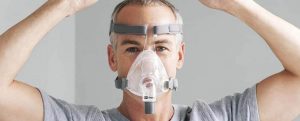
Choosing the right CPAP nasal mask can make the difference between a therapy that actually works and one that ends up in a drawer after a few frustrating nights.
Most people don’t quit CPAP because the therapy doesn’t help. They quit because the mask doesn’t fit right. Air leaks wake you up. Straps leave red marks on your cheeks. Dry mouth becomes a nightly annoyance. Some masks are loud enough that a partner notices before you do.
A nasal mask, which covers just the nose, is one of the most popular styles because it tends to feel less bulky than a full face mask while still handling higher pressures better than nasal pillows alone. But “nasal mask” isn’t a one-size-fits-all category. The right pick depends on how you sleep, how you breathe, your pressure setting, and even whether you have a beard.
This guide compares the best CPAP nasal masks for:
- Side sleepers
- Stomach and back sleepers
- Mouth breathers
- High pressure settings
- Beards and facial hair
- Women
- Budget-conscious shoppers
- Anyone who wants minimal contact with their face
We’ll also cover sizing, hose placement, cleaning schedules, and what to do if the first mask you try doesn’t work out.
Quick Comparison Table
| Mask | Best For | Cushion Type | Sleep Position | Pressure Range | Noise Level | Ideal User |
|---|---|---|---|---|---|---|
| ResMed AirFit N20 | Best Overall | Silicone (InfinitySeal) | Any | Low to high | Quiet | Most sleepers |
| ResMed AirFit N30i | Side Sleepers | Under-nose cradle | Side, stomach | Low to moderate | Quiet | Active sleepers |
| Fisher & Paykel Eson 2 | High Pressure | RollFit silicone | Back-leaning | Moderate to high | Moderate | High-pressure users |
| ResMed AirFit N30i + Chin Strap | Mouth Breathers | Under-nose cradle | Any | Low to moderate | Quiet | Nasal mask users who open their mouth |
| ResMed AirFit P10 | Beards / Minimal Contact | Nasal pillows | Any | Low to moderate | Quiet | Facial hair, claustrophobia-prone |
| Philips Respironics DreamWear Nasal | Stomach Sleepers | Low-profile under-nose | Stomach | Low to moderate | Quiet | Face-down sleepers |
| Fisher & Paykel Evora Nasal | Back Sleepers | CapFit silicone | Back | Low to moderate | Quiet | Low-movement sleepers |
| ResMed AirFit N20 For Her | Women | Silicone (smaller frame) | Any | Low to high | Quiet | Smaller facial structures |
| BMC N5 | Budget | Silicone | Any | Low to moderate | Moderate | First-time users |
| ResMed AirFit F30i | Hybrid / Mouth Breathers | Under-nose cradle + mouth seal | Any | Low to high | Quiet | Mouth breathers, side sleepers |
If your priority is comfort with minimal fuss, the ResMed AirFit N20 is worth checking out first. If a specific problem — leaks, red marks, a beard, a partner who complains about noise — is driving your search, skip ahead to that section.
Our Top Picks for the Best CPAP Nasal Mask
1. Best Overall CPAP Nasal Mask: ResMed AirFit N20
The AirFit N20 shows up on nearly every list of top CPAP masks, and based on our evaluation, it earns that spot honestly rather than by default.
Why it stands out
The InfinitySeal cushion is a single piece of silicone with no fabric or foam layers, which means less bacterial buildup and an easier cleaning routine. The cushion also adapts to a wide range of nose shapes instead of forcing everyone into the same seal pattern.
Comfort
The magnetic clips make it simple to detach the mask without unbuckling your headgear, which matters if you get up during the night. The frame is low-profile enough that side sleeping doesn’t immediately dislodge the seal.
Seal quality
In practice, the N20 holds its seal across a wide pressure range, including higher settings, which is part of why it’s a common recommendation for people who haven’t had luck with nasal pillow masks.
Ease of cleaning
One-piece cushion design means fewer parts to disassemble and wash.
Pros
- Reliable seal across most pressure settings
- Minimal parts to clean
- Works for a wide range of face shapes
Cons
- Bulkier than nasal pillow masks
- Headgear straps run across the back of the head, which can bother back sleepers with thick pillows
Best for: Sleepers who want one mask that handles most situations without needing to shop around.
2. Best CPAP Nasal Mask for Side Sleepers: ResMed AirFit N30i
(Target keyword: best nasal cpap mask for side sleepers)
Why side sleepers need a specialized nasal mask
Standard nasal masks route the hose out the front of the face, which means side sleepers end up pressing the hose — and the mask — into the pillow. That pressure can break the seal, and the pillow itself can bump the mask out of position throughout the night.
Two problems come up again and again for side sleepers:
- Pressure points, where the mask frame digs into the cheek or bridge of the nose
- Pillow interference, where standard hoses catch on pillows and tug the mask
- Hose positioning, since a front-mounted hose has nowhere to go when you roll onto your side
Recommended product: ResMed AirFit N30i
The N30i solves this with top-of-head swivel tubing, so the hose exits above your head instead of in front of your face. That keeps it clear of pillows no matter which way you turn.
Key features
- Flexible frame that moves with you instead of resisting
- Minimal-contact under-nose cushion, which sits below the nostrils rather than covering the bridge
- Leak prevention through a soft, cradle-style seal that stays put even with movement
Pros
- Hose stays out of the way during side and stomach sleeping
- Open field of view, useful if you read or watch TV before falling asleep
- Lightweight compared to full nasal masks
Cons
- Cradle-style seal can be trickier to fit correctly the first few nights
- Not the best option for very high pressure settings, where a full nasal cushion tends to hold a tighter seal
3. Best CPAP Nasal Mask for High Pressure Settings: Fisher & Paykel Eson 2 or ResMed AirFit N20
(Target keyword: best cpap nasal mask for high pressure)
What to look for in high pressure CPAP masks
Higher pressure settings, generally above 15 cmH2O, put more strain on a mask’s seal. A cushion that works fine at low pressure can start leaking or “blowing out” once the airflow increases. Look for:
- A strong, stable seal that doesn’t rely on over-tightening the straps
- A cushion designed to stay put under airflow, not just under gentle pressure
- Reduced blowouts, meaning the seal doesn’t suddenly fail mid-breath
Recommended product
The Fisher & Paykel Eson 2 uses RollFit technology, which lets the cushion roll and adjust with your breathing instead of fighting against it. That flexibility helps it maintain a seal at higher pressures without needing the headgear cranked down tight.
The ResMed AirFit N20 is a strong alternative here too, since its InfinitySeal cushion is built to hold up across a wide pressure range.
Pressure performance: Both masks are commonly recommended by sleep clinics for patients on higher pressure prescriptions.
Stability during movement: The wraparound headgear on the Eson 2 helps keep the seal consistent even if you toss and turn.
Noise control: Neither mask is silent, but both are quieter than older high-pressure mask designs.
One thing to keep in mind: high pressure settings are prescribed by a sleep physician based on your titration study. No mask substitutes for the correct pressure setting — the goal here is finding a mask that performs well at the pressure you’ve already been prescribed.
4. Most Comfortable CPAP Mask for Mouth Breathers: ResMed AirFit N30i Paired With a Chin Strap
(Target keyword: most comfortable cpap mask for mouth breathers)
Can mouth breathers use nasal masks?
This is one of the most common questions we get, and it deserves a direct answer: a standard nasal mask on its own will not work well if you open your mouth during sleep.
Here’s why. CPAP therapy depends on a sealed airway. If your mouth falls open, air pressurized by the machine can rush in through your nose and escape out your mouth. That airflow dries out your mouth and throat, and it can undercut the pressure your airway actually needs, which reduces how effective the therapy is overall.
In other words, a nasal mask alone is not a fix for mouth breathing. It needs to be paired with something that keeps your mouth closed, or you’ll want to consider a different mask style entirely.
Two ways to solve this
- Add a chin strap or mouth tape. A CPAP chin strap gently holds your jaw closed, which lets you keep using a nasal mask while preventing mouth leak. This works well for people who mouth-breathe occasionally or mildly.
- Switch to a hybrid mask. If mouth breathing is a consistent, nightly issue, a hybrid mask like the ResMed AirFit F30i (covered in more detail below) may be a better long-term fit, since it’s designed to accommodate the mouth without relying on a strap.
Best option: ResMed AirFit N30i + ResMed CPAP Chin Strap
Pairing the N30i’s under-nose cradle with a properly fitted chin strap keeps your mouth closed while preserving an open field of view, which many side sleepers and people who read in bed prefer over a full hybrid mask.
Comfort-focused features
- Soft cushion material that doesn’t dig into the upper lip
- Adjustable chin strap tension so it holds the jaw without feeling like a vice
- Compatible with heated humidification, which helps offset any residual dryness
One limitation to keep in mind: a chin strap adds one more piece of gear to manage each night, and it takes most people a week or two to get used to sleeping with one. If that adjustment period doesn’t work for you, the hybrid option below may be simpler.
5. Best CPAP Mask for Beards: ResMed AirFit P10 or AirTouch N20
(Target keyword: best cpap mask for beards)
Why facial hair causes mask leaks
Silicone cushions rely on smooth, direct contact with skin to form a seal. Facial hair — especially along the jawline, upper lip, and cheeks — creates tiny gaps that air can escape through. Beards can also cause skin contact issues, where the cushion tugs on hair with every movement.
Recommended masks
There are two solid approaches depending on your beard style:
- ResMed AirFit P10 (nasal pillows): Instead of sealing against a wide area of skin, the P10 seals directly at the nostrils, bypassing the beard entirely. This tends to work best for beards that are mostly on the chin and jaw rather than the upper lip.
- AirTouch N20: Uses an UltraSoft memory foam cushion that molds around hair strands instead of fighting them, which can work well for shorter or softer facial hair, particularly around the nose bridge and upper lip.
Pros
- P10 avoids the beard-seal problem almost entirely
- AirTouch N20 offers more coverage if you also deal with mouth breathing or need a firmer seal
Cons
- Nasal pillows (P10) can feel more intense for people not used to the sensation of pillows inside the nostrils
- Memory foam cushions (AirTouch) typically need replacing more often than silicone
Who should skip these: if you have a very thick or long beard along the upper lip and nose bridge, you may get a better seal with a full face mask instead of any nasal option — worth discussing with your equipment provider before buying.
6. Best CPAP Nasal Mask for Stomach Sleepers: Philips Respironics DreamWear Nasal
(Target keyword: best cpap nasal mask for stomach sleepers)
Features stomach sleepers need
Sleeping face-down puts direct pressure on any mask that sits in front of the face. Stomach sleepers generally do best with:
- A low-profile frame that doesn’t add bulk between the face and pillow
- A top-of-head hose so there’s nothing to crush against the mattress
- Minimal bulk overall, since anything protruding forward gets pushed out of place
Best product recommendation
The DreamWear Nasal routes air through the frame itself rather than a front-facing hose, and the tube connects at the top of the head. That design lets you sleep face-down without the hose catching on the pillow or bedframe.
Pros
- Comfortable for face-down sleeping
- Open under-nose cushion feels less claustrophobic
- Lightweight frame doesn’t add pressure
Cons
- Some users find the cushion needs more careful sizing to avoid nostril irritation
- Not the top choice for higher pressure settings compared to a full nasal cushion mask
7. Best CPAP Nasal Mask for Back Sleepers: Fisher & Paykel Evora Nasal
(Target keyword: best cpap nasal mask for back sleepers)
Why back sleepers have different needs
Back sleepers generally move less during the night, which means stability and pressure consistency matter more than flexibility around a pillow. A mask that stays centered without frequent readjustment tends to work best here.
Recommended product
The Evora Nasal uses CapFit headgear, which slips on like a cap rather than requiring multiple strap adjustments. That design keeps the mask centered on the face and reduces the chance of it shifting overnight.
Pros
- Easy to put on and take off
- Stays centered without frequent readjustment
- Comfortable for extended, low-movement sleep
Cons
- CapFit headgear can be less forgiving if your head shape doesn’t match its curve
- Less ideal for people who change positions often through the night
8. Best CPAP Nasal Mask for Women: ResMed AirFit N20 For Her or AirFit P10 For Her
(Target keyword: best cpap nasal mask for women)
Features women often prefer
Standard CPAP masks are frequently sized for an average male face, which can leave gaps around smaller facial structures. The “For Her” versions address this with:
- Smaller sizing across the frame and cushion
- Softer headgear straps, designed for comfort against smaller frames
- Hair-friendly designs that reduce tangling and pressure points, particularly useful for longer hair worn loose or in a braid overnight
Recommended product
Both the AirFit N20 For Her and AirFit P10 For Her keep the core technology of their standard counterparts while adjusting fit. If you want a fuller nasal seal, the N20 For Her is the better starting point. If minimal contact matters more, the P10 For Her is worth considering.
Pros
- Better out-of-the-box fit for smaller facial structures
- Softer strap material reduces red marks
- Same reliable seal technology as the standard versions
Cons
- Slightly higher price than the standard version in some regions
- Still worth trying a sizing gauge first, since “For Her” doesn’t guarantee a perfect fit for every face
9. Best Budget CPAP Nasal Mask: BMC N5 Nasal Mask
If cost is your main concern, especially while you’re still figuring out which mask style actually works for you, the BMC N5 is one of the more affordable options that doesn’t feel like a downgrade in basic function.
Why it’s worth considering
- Lightweight build with fewer parts, keeping the price down without cutting corners on the seal
- Compatible with most major CPAP machine brands
- A reasonable starting point for beginners who aren’t ready to invest in a premium mask before knowing what fits
One drawback: it runs slightly louder than premium options like the AirFit N20, and the headgear straps are less plush. For many first-time users, that trade-off is worth it while they’re still learning what mask features matter most to them.
10. Best Minimal Contact Nasal Mask: ResMed AirFit P10
If red marks, a feeling of claustrophobia, or general bulk are your biggest complaints, the P10 is designed specifically around minimizing contact.
Why it works
- Dual-wall nasal pillows seal directly at the nostrils rather than across a wide area of the face
- QuickFit elastic headgear replaces the multi-strap systems found on larger masks
- No hard plastic touches the face, which is a common source of morning marks and irritation
Ideal user: people who’ve tried a full nasal mask and found it too bulky, or anyone prone to feeling boxed in by headgear.
One limitation: because nasal pillows sit directly in the nostrils, they tend to be less comfortable at very high pressure settings compared to a full nasal cushion mask like the N20.
Full Face CPAP Mask With Nasal Pillows: Is It Worth It?
(Target keyword: full face cpap mask with nasal pillows)
How hybrid CPAP masks work
Hybrid masks combine an under-nose nasal cradle with a mouth seal, giving you coverage similar to a full face mask without a hard frame across the bridge of your nose. The ResMed AirFit F30i is the most common example.
Pros
- Better for mouth breathers, since the mouth is covered without needing a separate chin strap
- Reduced bridge irritation compared to traditional full face masks, since nothing presses on the nose bridge
Cons
- Fit complexity: because the seal covers a larger, more variable area, hybrid masks generally take longer to size correctly
- More adjustment required overall, particularly in the first week
Best hybrid mask recommendation
The ResMed AirFit F30i is worth considering if you’ve confirmed you’re a mouth breather and would rather not manage a chin strap every night. The Fisher & Paykel Evora Full is a solid alternative if you want a slightly different cushion feel.
Who should skip this: if you’re a confirmed nose-breather with no leak issues, a hybrid mask adds complexity you probably don’t need. Stick with a standard nasal mask instead.
CPAP Nasal Mask Types Explained
(Target keyword: cpap nasal mask types)
Not all “nasal” masks work the same way. Here’s a quick breakdown.
Traditional Nasal Masks cover the entire nose, from bridge to base. They tend to offer the most stable seal, which makes them a common pick for higher pressure settings.
Nasal Pillow Masks seal directly at the nostrils with small silicone cushions. They’re the most minimal-contact option, but they can feel less secure at higher pressures.
Nasal Cushion Masks sit just under the nose rather than covering the bridge. They offer a middle ground: more open than a traditional mask, more coverage than pillows.
Hybrid Masks combine an under-nose cradle with mouth coverage, designed for people who breathe through both their nose and mouth.
Minimal Contact Masks use the smallest possible cushion footprint, prioritizing comfort and reduced marks over maximum stability.
Which type is best for you?
- Sleeping position: side and stomach sleepers generally do better with top-of-head hose designs
- Pressure level: higher pressures usually call for a traditional nasal mask or a high-stability cushion
- Breathing habits: confirmed mouth breathers need a chin strap or hybrid mask, not a nasal mask alone
- Facial structure: beards, smaller faces, and sensitive skin all point toward different cushion types
CPAP Nose Mask: How to Use It Properly
(Target keyword: cpap nose mask how to use)
Even the right mask will leak or feel uncomfortable if it’s set up incorrectly. Here’s a simple routine to follow.
Step-by-step setup guide
- Adjust headgear before putting the mask fully on. Loosen all straps first, then tighten gradually once the mask is positioned.
- Position the cushion correctly. It should sit centered on your nose or under it, depending on mask type, without being pressed in hard.
- Turn on airflow before doing your final adjustments. Masks often seal differently under active airflow than they do when the machine is off.
- Check for leaks by running your hand lightly around the mask edge. A faint hiss or airflow you can feel on your hand usually means an adjustment is needed.
- Fine-tune straps in small increments. Tightening too much in one spot often creates a leak somewhere else.
Common mistakes to avoid
- Over-tightening: a tighter strap doesn’t always mean a better seal, and it often causes more discomfort than it solves.
- Wrong cushion size: most masks come in S/M/L, and a poor size match is one of the most common causes of leaks.
- Dirty cushions: oil buildup on silicone reduces seal quality over time, not just hygiene.
- Ignoring small leaks: minor leaks tend to get worse, not better, if left unaddressed.
Best CPAP Nasal Mask Liners
(Target keyword: best cpap nasal mask liners)
Why use CPAP mask liners?
Mask liners are thin fabric layers that sit between your skin and the mask cushion. They can help with a few common complaints:
- Reduce skin irritation, especially for people with sensitive skin or CPAP-related acne
- Minimize leaks caused by facial hair or uneven skin contact
- Improve comfort, since fabric feels softer against the skin than silicone for some users
Best mask liner options
- Disposable liners are convenient and hygienic, though the ongoing cost adds up over time.
- Reusable fabric liners cost more upfront but wash and reuse easily, making them the better value for nightly users.
- DIY alternatives, like soft cotton pads, are the cheapest option but offer less consistent sealing than purpose-made liners.
Results vary depending on your specific mask and skin type, so it’s worth trying one type before buying in bulk.
Sizing and Fitting: Get This Right Before You Buy
Fit problems cause more mask complaints than almost anything else, and they’re avoidable.
Before ordering, most manufacturers offer a printable sizing gauge on their website. Print it at 100% scale (not “fit to page”), hold it up to your face as directed, and match it to the closest size. This single step prevents a large share of returns and leak complaints.
One thing to keep in mind: sizing gauges are a starting point, not a guarantee. Faces change slightly with weight fluctuations, and a size that worked a year ago may not fit exactly the same today.
Top-of-Head Hose vs. Front Hose: Which Should You Choose?
CPAP masks generally route their tubing one of two ways, and the difference matters more than it might seem.
Top-of-head hose designs (like the AirFit N30i and DreamWear Nasal) route the tube up and over the head. This works well for:
- Side sleepers
- Stomach sleepers
- Anyone who reads, watches TV, or wears glasses before bed
Front-mounted hose designs (like the AirFit N20 and Eson 2) route the tube out from the front of the mask. This tends to work better for:
- Back sleepers, who don’t need to route the hose around a pillow
- High pressure users, since front-mounted designs are often paired with more stable, higher-coverage cushions
Neither style is universally better. The right choice depends on how you sleep more than any single feature of the mask itself.
Mask Cleaning and Replacement Schedule
A clean mask isn’t just more pleasant, it also seals better. Oil, skin cells, and residue from humidifier water can all degrade a cushion’s ability to hold a seal.
Daily
- Wipe the cushion down with a CPAP-safe wipe or mild soap and water
Weekly
- Wash the full mask frame and headgear according to manufacturer instructions
Every 1–3 months
- Replace the cushion, since silicone gradually loses its shape and seal quality
Every 6 months
- Replace the headgear, as elastic straps stretch out and lose tension over time
Sticking to a routine like this tends to prevent the slow leak creep that makes people think they need a whole new mask when really they just need fresh parts.
Don’t Skip the Return Policy
CPAP masks are one of those products where trial and error is common, even for people who did everything right on sizing. Facial structure, sleep position, and personal comfort preferences all play a role that’s hard to predict from a product page alone.
Based on our evaluation, it’s worth prioritizing retailers that offer a 30-day mask exchange or return window. If the first mask you try doesn’t seal well or feels uncomfortable after a week of adjustment, a return window lets you try a different style without paying full price twice.
How to Choose the Best CPAP Nasal Mask
Consider your sleeping position
Side and stomach sleepers generally do best with top-of-head hose designs. Back sleepers have more flexibility and can prioritize seal stability instead.
Check your pressure settings
Higher pressure settings call for masks built around seal stability, like the AirFit N20 or Eson 2. Lower pressure settings leave more room for lightweight, minimal-contact options.
Think about facial hair
A beard doesn’t rule out a nasal mask, but it does narrow the field. Nasal pillow masks or foam-cushion masks tend to perform better than traditional silicone cushions.
Evaluate cushion material
Silicone is durable and easy to clean. Memory foam molds more closely to the face but wears out faster and needs more frequent replacement.
Consider noise levels
If you share a bed, a quieter mask can matter as much as comfort. Front-mounted hose masks with looser exhalation ports tend to run louder than well-sealed nasal cradle designs.
Hose placement matters
This is worth repeating: top-of-head routing solves most side-sleeping and stomach-sleeping complaints, while front-mounted hoses tend to suit back sleepers and higher pressure setups better.
Common CPAP Nasal Mask Problems
Why does my mask leak? Leaks are usually caused by incorrect sizing, worn-out cushions, or facial hair breaking the seal. Start by checking cushion size and replacement date before assuming you need a different mask entirely.
Why do I wake up with dry mouth? This is the classic sign of mouth breathing during CPAP use. A chin strap, mouth tape, or hybrid mask usually resolves it.
Why does my nose hurt? Over-tightened straps are the most common cause. Loosen the headgear and re-fit the cushion rather than compensating with more airflow adjustment.
How tight should a CPAP nasal mask be? Snug enough to prevent leaks, loose enough that you could slide a finger under the strap without much resistance. If you see red marks lasting more than a few minutes after removing the mask, it’s too tight.
How often should I replace my mask? Cushions typically need replacing every 1–3 months, and full masks are generally replaced every 6–12 months, depending on wear and manufacturer guidance.
FAQ
What is the best CPAP nasal mask overall? For most sleepers, the ResMed AirFit N20 offers the most reliable seal across a wide range of pressures and face shapes, which is why it tops most comparison lists, including this one.
Are nasal masks better than full face masks? Not universally. Nasal masks tend to feel less bulky and offer a more open field of view, but they’re not the right fit for confirmed mouth breathers unless paired with a chin strap or upgraded to a hybrid design.
Can mouth breathers use nasal CPAP masks? Only with a chin strap, mouth tape, or a hybrid mask. A nasal mask alone will not maintain proper pressure if your mouth opens during sleep.
Which CPAP mask works best for side sleepers? The ResMed AirFit N30i, thanks to its top-of-head hose routing and minimal-contact cushion, is one of the strongest options for side sleepers.
What is the quietest CPAP nasal mask? The ResMed AirFit N20 and AirFit N30i are both known for running quieter than average, though noise levels vary somewhat by individual seal quality.
Do CPAP mask liners really help? For many sleepers, yes, particularly for reducing skin irritation and minor leaks. Results vary depending on your specific mask and skin sensitivity, so it’s worth testing one type before committing to a larger supply.
How long do CPAP nasal masks last? Full masks typically last 6–12 months with proper care, while cushions and headgear need replacing more frequently, roughly every 1–3 months and 6 months respectively.
Conclusion
The best CPAP nasal mask isn’t the one with the most features. It’s the one that matches how you actually sleep, breathe, and live.
If you’re a side sleeper, hose placement will matter more than almost anything else. If you’re a confirmed mouth breather, no nasal mask will work well without a chin strap or a switch to a hybrid design. If facial hair, pressure settings, or sensitive skin are part of the picture, those factors should guide the decision more than brand reputation alone.
Before buying, take the time to check a printable sizing gauge, and look for a retailer with a 30-day return window in case the first mask isn’t the right fit. Comfort and a reliable seal matter far more than popularity.
If one of the picks above matches your sleep position, breathing pattern, and pressure needs, it’s worth comparing current prices and reviews before making a final decision.