Why You’re Snoring — and What You Can Do About It
Snoring happens when air has a hard time moving smoothly through your nose and throat while you sleep. The tissues in your airway relax and vibrate as air passes over them, and that vibration is the sound you (or your partner) hear.
There isn’t one anti-snoring solution that works for everyone. A back sleeper with a stuffy nose needs something different than someone whose jaw and tongue collapse backward during deep sleep. That’s why the products in this guide are organized by cause, not just popularity.
Occasional snoring after a late night or a stuffy nose usually isn’t a big concern. Snoring that happens most nights, gets loud, or comes with gasping or long pauses in breathing is worth paying closer attention to. In some cases, that pattern can be a sign of obstructive sleep apnea (OSA), which we’ll cover later in this guide.
This article walks through simple snoring solutions first, then moves into anti-snoring devices, and finally into medical treatments for more persistent cases. By the end, you should have a good sense of where to start.
Which Anti-Snoring Solution Should You Try First?
| If you… | Start with… |
|---|---|
| Snore mainly on your back | Positional therapy |
| Have nasal congestion | Nasal treatment |
| Drink alcohol before bed | Reducing evening alcohol |
| Have persistent mouth or throat snoring | An anti-snoring mouthpiece |
| Suspect you might have sleep apnea | A sleep evaluation |
| Have diagnosed OSA | CPAP or another prescribed treatment |
What Are the Best Anti Snoring Solutions?
The solutions below are grouped by how they stack up on a few practical factors:
- Effectiveness for the cause they target
- Ease of use
- Cost
- How practical they are for everyday, long-term use
- The evidence behind the approach
- Whether the solution actually addresses why you’re snoring, rather than just muffling the sound
With that in mind, here’s a breakdown of the most common anti-snoring solutions, starting with the simplest.
1. Sleep on Your Side
When you sleep on your back, gravity can pull your tongue and the soft tissue at the back of your throat backward, narrowing your airway. That narrowing is what causes a lot of back-sleeping snoring.
Side sleeping keeps that tissue from collapsing as easily, which is why it’s often the first thing sleep specialists suggest.
A few ways to make side sleeping stick:
- Body pillows give you something to hold onto and make it harder to roll onto your back.
- Positional therapy devices are small wearable sensors that gently vibrate when you roll onto your back, nudging you back onto your side without fully waking you.
- The old tennis-ball-in-a-sock trick (sewing a ball into the back of a shirt) works on the same idea, though most people find it uncomfortable over the long run.
Modern positional trainers, like the Philips NightBalance or similar vibration-based wearables, have mostly replaced the tennis-ball method. They’re worn on the chest or back, track your sleep position automatically, and use gradual vibration instead of a jab in the spine. For most side-sleeping candidates, this is a more comfortable, longer-term fix than a homemade solution.
Positional therapy works best for people who only snore when lying on their back. If you snore in every position, this alone probably won’t solve the problem.
2. Lose Excess Weight if Necessary
Extra tissue around the neck and throat can add pressure to the airway, which makes snoring more likely. For some people, losing even a modest amount of weight reduces snoring noticeably.
That said, weight loss isn’t a quick fix, and it isn’t the right explanation for everyone. Plenty of people at a healthy weight snore because of their anatomy, nasal structure, or sleep position. If that’s you, focus on the other solutions in this guide rather than assuming weight is the cause.
3. Avoid Alcohol Before Bed
Alcohol relaxes muscles throughout the body, including the muscles that keep your airway open. That relaxation makes the airway more likely to narrow and vibrate, which is why snoring often gets worse after drinking in the evening.
In practice, avoiding alcohol for three to four hours before bed is one of the easiest things to test. If your snoring is noticeably quieter on nights you skip an evening drink, that’s a useful clue about what’s driving it.
4. Treat Nasal Congestion
A blocked nose forces you to breathe through your mouth, which increases the chances of snoring. Congestion can come from:
- Seasonal or year-round allergies
- A cold or sinus infection
- A deviated septum
- Chronic nasal inflammation
Depending on the cause, options include saline rinses, allergy medication, nasal strips, or internal nasal dilators.
One thing to keep in mind: opening up the nose helps people whose snoring is coming from nasal obstruction, but it won’t necessarily do much for snoring that starts further back in the throat. If nasal treatments don’t reduce your snoring, the cause is probably not your nose.
A note on mouth taping: Mouth taping, popularized by products like Hostage Tape, has become a major search trend. The idea is that taping the lips shut forces nasal breathing. There isn’t strong clinical evidence that it reduces snoring or improves sleep apnea, and it isn’t recommended for anyone with congestion, since it can make it harder to breathe if the nose is already blocked. If you’re curious about it, treat it as a low-cost experiment rather than a proven fix, and skip it entirely if you have any trouble breathing through your nose.
5. Try Nasal Strips or Nasal Dilators
If you’re looking for a low-cost first step, this is usually it.
- External nasal strips (like Breathe Right Extra Strength) stick to the outside of the nose and gently pull the nostrils open.
- Internal nasal dilators (like the Mute Nasal Dilator by Rhinomed) sit just inside the nostrils and hold them open from within. Many heavier snorers find internal dilators more effective than external strips, since they address a larger portion of the nasal passage.
Who they’re best for: people whose snoring is clearly tied to nasal narrowing, not throat collapse.
Advantages: inexpensive, no prescription needed, easy to try for a few nights.
Limitations: minimal help for snoring caused by the tongue or throat tissue.
Do Nasal Strips Actually Stop Snoring?
For many people, they reduce snoring rather than eliminate it. If your congestion is mild and nasal-based, strips or dilators can make a real difference. If your nose isn’t the main issue, don’t expect much change.
6. Elevate Your Head While Sleeping
Raising your upper body slightly can reduce the amount of tissue collapse in your throat, similar to the effect of side sleeping.
- Adjustable beds let you raise the head of the mattress itself.
- Wedge pillows create an incline without needing new bed frame hardware.
- Simply stacking regular pillows tends to bend your neck at an awkward angle rather than raising your whole upper body, so it’s not the most comfortable option.
Anti-snore pillows are a related category worth a closer look, and they split into two types:
- Ergonomic memory foam pillows are contoured to support the neck and head in a position that keeps the airway more open. They’re a low-cost, low-effort upgrade for side or back sleepers.
- Smart pillows, like the Motion Pillow, use a sensor to detect snoring sounds and then gently inflate an internal air chamber to shift your head position, without waking you up. These cost significantly more than a standard pillow, but for people who’ve had luck with manual positional adjustments, they automate the same idea.
For anyone dealing with acid reflux alongside snoring, a medical-grade wedge system like the MedCline Shoulder Relief pillow is designed to elevate the upper body while also supporting side-sleeping posture, which can help with both issues at once.
Elevation is worth trying if you already know that lying flatter makes your snoring worse, or if you also deal with reflux at night.
7. Improve Your Sleep Schedule
Being overtired can relax your throat muscles more than usual, which may make snoring more noticeable. Going to bed at a consistent time and getting enough sleep won’t cure snoring on its own, but it can make some of the other solutions in this guide work better. Think of it as a supporting habit rather than a standalone fix.
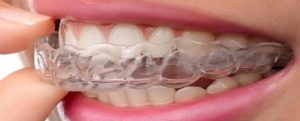
8. Try an Anti-Snoring Mouthpiece
For snoring that comes from the throat or jaw rather than the nose, mandibular advancement devices (MADs) are one of the more effective over-the-counter options available.
How Do Anti-Snoring Mouthpieces Work?
A MAD fits over your teeth and gently holds your lower jaw slightly forward. That forward position pulls the base of the tongue away from the back of the throat, which helps keep the airway open. Some oral appliances can also help with mild obstructive sleep apnea, though they’re not a substitute for CPAP in more severe cases.
A Quick Look at Top-Rated Mouthpieces
| Mouthpiece | Best For | Fitting | Adjustability |
|---|---|---|---|
| SnoreRx / SnoreRx Plus | Precise, custom fit | Boil-and-bite | Micro-adjustable in small increments |
| VitalSleep | Budget-friendly first try | Boil-and-bite | Adjustable, allows side-to-side jaw movement |
| ZQuiet | Beginners who want no setup | Ready to use out of the box | Limited adjustability |
CTA: If mask-free relief sounds appealing, comparing these three side by side is a good next step before you commit to one.
Who Should Use an Anti-Snoring Mouthpiece?
MADs tend to work well for people with mild-to-moderate throat-based snoring, including some cases of mild sleep apnea diagnosed by a doctor. They’re generally not the right starting point for loud, severe snoring with witnessed breathing pauses — that pattern deserves a sleep evaluation first.
Are Anti-Snoring Mouthpieces Comfortable?
Most people need a short adjustment period, usually a week or two, before the device feels normal. Comfort varies a lot by brand and by how well the device fits your mouth, which is part of why boil-and-bite and custom options tend to outperform one-size-fits-all designs for long-term use.
Custom vs. Over-the-Counter Mouthpieces
Boil-and-bite mouthpieces, like SnoreRx and VitalSleep, are molded to your teeth at home and tend to fit more securely. Ready-to-use options like ZQuiet skip that step entirely, which is convenient but usually means a slightly looser, more generic fit. Dentist-fitted custom devices cost more but offer the most precise fit and adjustment of jaw position.
What Are the Side Effects?
- Jaw soreness, especially in the first week or two
- Excess saliva or a dry mouth
- Minor tooth or bite changes with long-term nightly use
These effects vary from person to person, and many resolve as you get used to the device. A properly fitted mouthpiece and a follow-up with a dentist familiar with oral appliances can reduce these risks.
Who this isn’t for: MADs generally aren’t a good fit for people with significant periodontal (gum) disease, full dentures, or TMJ disorders. Moving the jaw forward every night can aggravate an already sensitive jaw joint. If any of that applies to you, talk to a dentist before trying one, since a poor fit is a common reason people give up on these devices early.
9. Consider a Tongue Retaining Device
Tongue retaining devices (TRDs) work differently than MADs. Instead of moving your jaw, a TRD uses gentle suction to hold your tongue slightly forward, which keeps it from falling back and blocking your airway.
The Good Morning Snore Solution (GMSS) is one of the most established TRDs on the market and doesn’t require any molding to your teeth. Zyppah takes a hybrid approach, combining a standard MAD with a strap that also holds the tongue in place.
TRDs can be a good option for people who can’t use a MAD comfortably, including some denture wearers, since they don’t rely on gripping the teeth. The trade-off is that some people find the suction sensation on the tongue takes longer to get used to than a jaw-based device.
10. Try Myofunctional Exercises
Myofunctional therapy is a set of exercises for the tongue, throat, and soft palate designed to strengthen the muscles that keep your airway open. Think of it as physical therapy for the muscles involved in snoring.
This approach takes consistency. Results usually build gradually over weeks of daily practice rather than overnight, and it works best alongside other changes rather than as a standalone fix for more severe snoring.
11. Change Your Sleeping Environment
Not every solution on this list stops the snoring itself. Some are about protecting your partner’s sleep — and, frankly, your relationship — while you work on the cause.
Chronic snoring is a common enough source of tension between partners that “sleep divorce,” where couples sleep in separate rooms or beds, has become a fairly normal solution. Before it comes to that, a few lower-effort options can help:
- White noise machines or a simple fan to mask the sound
- Earplugs for the snorer’s partner
- Noise-canceling earbuds designed for sleeping
- A separate room on especially loud nights, if needed
Important: none of these treat the snoring itself. They reduce how much it disrupts the people around you while you work through the causes and solutions elsewhere in this guide.
12. Use a CPAP Machine If You Have Sleep Apnea
CPAP (continuous positive airway pressure) isn’t a general snoring gadget — it’s a medical treatment for obstructive sleep apnea, prescribed after a sleep study. A CPAP machine delivers a steady stream of pressurized air through a mask, which keeps the airway from collapsing during sleep.
For snoring caused by OSA, CPAP is generally the most reliable treatment available, and it often eliminates the snoring entirely along with the underlying breathing pauses.
CPAP only works if you actually wear it consistently, and mask comfort is one of the biggest reasons people give up on treatment. If you’re starting CPAP, it’s worth spending time finding a mask that fits your face shape and sleep position, whether that’s a side-sleeper-friendly mask, a full-face mask, or one designed to seal comfortably around a beard.
13. Get Tested for Sleep Apnea
Snoring alone doesn’t tell you whether you have sleep apnea. This section deserves its own space rather than a quick disclaimer, because getting this distinction right changes which treatment actually makes sense.
Signs Your Snoring Could Be Sleep Apnea
- Loud, habitual snoring most nights
- Someone witnessing pauses in your breathing
- Waking up gasping or choking
- Excessive daytime sleepiness despite a full night in bed
- Morning headaches
- Trouble concentrating during the day
- High blood pressure
If several of these sound familiar, it’s worth getting evaluated rather than treating the snoring on its own.
Testing no longer requires an overnight stay in a sleep lab for everyone. Home sleep apnea tests, like the Lofta Airway Sleep Test or WatchPAT ONE, use a small wearable sensor to measure breathing, oxygen levels, and sleep patterns overnight in your own bed. Results are reviewed by a sleep physician, and the whole process is often more affordable and less of a hassle than scheduling an in-lab study. For many people who’ve been putting off a formal diagnosis, this is a realistic first step.
14. Consider Prescription or Professional Treatment
If conservative measures haven’t helped after a few weeks, it may be time to bring in a professional. Options at this stage typically include:
- A dentist-fitted, custom oral appliance
- An evaluation with a sleep specialist
- An ENT evaluation for structural nasal or throat issues
- CPAP, for confirmed OSA
- Other airway-focused treatments recommended by a specialist
15. Surgery for Severe or Persistent Snoring
Surgery is usually a later option, considered after other treatments haven’t worked or when there’s a clear anatomical cause, like a badly deviated septum or enlarged tonsils.
Several procedures exist, targeting different parts of the airway, but success rates vary from person to person, and results can be hard to predict in advance. This is a conversation to have with an ENT or sleep specialist, not a starting point for most people dealing with snoring.
What About Chin Straps?
Chin straps are a common search result and a common disappointment. The idea is that holding your jaw closed with a strap keeps you breathing through your nose, which should, in theory, reduce mouth-breathing snoring.
In practice, a chin strap only holds your mouth shut. It doesn’t do anything to open a collapsed airway or move your jaw or tongue forward. If your congestion, throat tissue, or jaw position is causing the snoring, a chin strap won’t address the actual cause, and it can even make breathing harder if your nose is also blocked. For most people, a nasal treatment or a mouthpiece designed to reposition the jaw or tongue is a better use of money.
How to Stop Someone Snoring Immediately
If you need relief tonight rather than a long-term fix, here are a few realistic options.
Wake Them and Have Them Change Position
Gently encourage a shift from back to side sleeping. This is often the fastest way to quiet things down in the moment.
Elevate Their Upper Body
Prop up a few pillows, or raise the head of an adjustable bed, to reduce airway collapse without fully waking the person.
Address Obvious Nasal Congestion
If they clearly have a stuffy nose, a saline spray or nasal strip can offer quick, if temporary, relief.
Don’t Rely on Alcohol as a Solution
It’s sometimes suggested as a way to “knock someone out” quietly, but alcohol relaxes the airway further and usually makes snoring louder, not quieter.
When to Wake Someone Because of a Breathing Problem
Gasping, choking sounds, or long pauses in breathing are worth taking seriously. These aren’t just loud snoring — they can be signs of a breathing obstruction that’s worth discussing with a doctor.
It’s worth separating these two goals clearly: quieting snoring for one night and actually treating what’s causing it are different problems, and a quick fix tonight doesn’t replace addressing the root cause.
What Is the Most Effective Anti Snoring Solution Available?
There isn’t one most effective anti-snoring solution for everyone. The right answer depends on why you’re snoring in the first place.
- For positional snoring: positional therapy, from body pillows to wearable trainers
- For nasal obstruction: treating congestion, or trying a nasal dilator
- For primary snoring (snoring without diagnosed sleep apnea): an oral appliance can be an effective option once simpler measures haven’t worked
- For snoring caused by OSA: CPAP is generally considered the most reliable treatment available
That’s a more honest answer than claiming any single mouthpiece or gadget works for everyone, and it’s the same logic sleep specialists use when recommending treatment.
Best Anti Snoring Solutions Compared
| Solution | Best For | Effectiveness | Cost | Ease of Use |
|---|---|---|---|---|
| Side sleeping / positional trainers | Back sleepers | Moderate | $ | Easy |
| Nasal strips | Mild nasal congestion | Low–Moderate | $ | Very easy |
| Nasal dilators | Nasal obstruction | Low–Moderate | $ | Easy |
| Anti-snore pillows | Positional and reflux-related snoring | Moderate | $–$$$ | Easy |
| Anti-snoring mouthpiece | Throat- or jaw-related snoring | High for suitable users | $$ | Easy–Moderate |
| Tongue retaining device | Certain tongue-position snorers | Moderate | $$ | Moderate |
| Myofunctional therapy | Some airway-related snoring | Moderate | $ | Moderate |
| Chin straps | Rarely, mild mouth-breathing only | Low | $ | Easy |
| Home sleep apnea test | Suspected but undiagnosed OSA | N/A (diagnostic) | $$ | Easy |
| CPAP | Snoring with diagnosed OSA | Very high | $$$ | Moderate |
| Surgery | Anatomical obstruction | Variable | $$$$ | Difficult |
If you’re only going to try one product from this list, an anti-snoring mouthpiece is usually the best starting point for throat-based snoring that hasn’t responded to lifestyle changes. Comparing SnoreRx, VitalSleep, and ZQuiet side by side is a reasonable next step from here.
Which Anti Snoring Solution Is Right for You?
If you only snore occasionally: start with lifestyle and positional changes.
If you primarily snore on your back: try positional therapy or a wearable positional trainer.
If your nose is blocked: address the congestion first, then consider a nasal dilator.
If you snore loudly every night, especially with gasping or pauses: get evaluated for sleep apnea, whether through your doctor or a home sleep test.
If you want a device without a CPAP machine: look into an appropriately fitted oral appliance, based on whether a MAD or TRD suits your mouth and jaw.
If you’ve been diagnosed with sleep apnea: follow your clinician’s recommended treatment. Snoring products aren’t a substitute for prescribed OSA treatment.
Anti Snoring Solutions That Don’t Work as Well as Advertised
Not everything marketed as an anti-snoring solution holds up. A few categories worth being skeptical of:
- “Miracle” anti-snoring sprays that claim to coat and tighten throat tissue overnight, with little independent evidence behind them
- Random supplements marketed for snoring, which generally lack clinical research
- Unproven gadgets that don’t target a specific, identifiable cause of snoring
- Products claiming to cure sleep apnea without a diagnosis or medical oversight — OSA is a medical condition, not something an over-the-counter gadget can “cure”
- Chin straps, for the reasons covered above — they restrict jaw movement without addressing airway collapse
A product earning a spot on this list isn’t about brand recognition. It’s about whether it targets an actual, identifiable cause of snoring.
Frequently Asked Questions About Anti Snoring Solutions
What is the best anti snoring solution? It depends on the cause. Positional snorers do well with positional therapy, nasal snorers benefit from nasal treatments, and throat- or jaw-related snoring often responds best to an oral appliance. Snoring linked to sleep apnea should be evaluated and treated medically.
What is the most effective anti snore treatment? For diagnosed sleep apnea, CPAP is generally considered the most effective option. For primary snoring without apnea, oral appliances have some of the strongest evidence among over-the-counter solutions.
How can I stop snoring naturally? Side sleeping, avoiding alcohol before bed, treating nasal congestion, and myofunctional exercises are common non-device approaches. Results vary depending on what’s actually causing your snoring.
How do I stop someone snoring immediately? Encourage a position change, elevate the upper body, or address obvious congestion. These offer short-term relief rather than a lasting fix.
Do anti-snoring mouthpieces really work? For many people with throat- or jaw-related snoring, yes. They’re less helpful for snoring caused mainly by nasal blockage.
Does sleeping on your side stop snoring? For back sleepers whose airway narrows due to gravity, it often helps significantly. It does less for snorers who snore in every position.
Can losing weight stop snoring? It can help some people, especially when extra tissue around the neck is contributing to airway narrowing. It’s not a guaranteed fix, since snoring has multiple possible causes.
Does CPAP stop snoring? Yes, in most cases, when snoring is related to obstructive sleep apnea. CPAP isn’t typically prescribed for snoring alone, without a diagnosis.
Can nasal strips stop snoring? They can reduce snoring that’s caused by nasal congestion, but they won’t do much for snoring that originates in the throat.
How do I know if my snoring is caused by sleep apnea? Loud, frequent snoring combined with witnessed breathing pauses, gasping, daytime sleepiness, or morning headaches are signs worth discussing with a doctor or checking with a home sleep apnea test.
Final Verdict: The Best Anti Snoring Solutions
Best overall for persistent snoring: an anti-snoring mouthpiece, for people it’s suited to
Best simple solution: side sleeping, ideally with a positional trainer if it doesn’t stick on its own
Best for nasal congestion: a nasal dilator or treating the underlying congestion
Best for snoring caused by OSA: CPAP, prescribed after a sleep evaluation
Best first step overall: figuring out what’s actually causing your snoring, rather than guessing
Snoring solutions work best when they’re matched to the reason you snore in the first place. Start with the simplest option that fits your situation, and move up the list if it doesn’t get the results you’re looking for.
Want to see which anti-snoring mouthpiece is right for you? Compare the top-rated options and find the best fit for your sleep style.